THE ADVENTURE COLLECTIVE® · Independent discovery and booking for outdoor travel

Walk Hoi An’s UNESCO-listed streets by lantern light and sample iconic specialties from local family stalls. This guided tour pairs historical context with a curated tasting of Cao Lau, White Rose dumplings and more.
Walk Hoi An’s UNESCO-listed streets by lantern light and sample iconic specialties from local family stalls. This guided tour pairs historical context with a curated tasting of Cao Lau, White Rose dumplings and more.
The lantern-lit alleys of Hoi An condense into a narrow stage as the guide leads a small group through warm, clattering streets.
Verified experiences and guided adventures in the surrounding area.
Operated by Charm Tourist · Hoi An, Quang Nam
The lantern-lit alleys of Hoi An condense into a narrow stage as the guide leads a small group through warm, clattering streets.
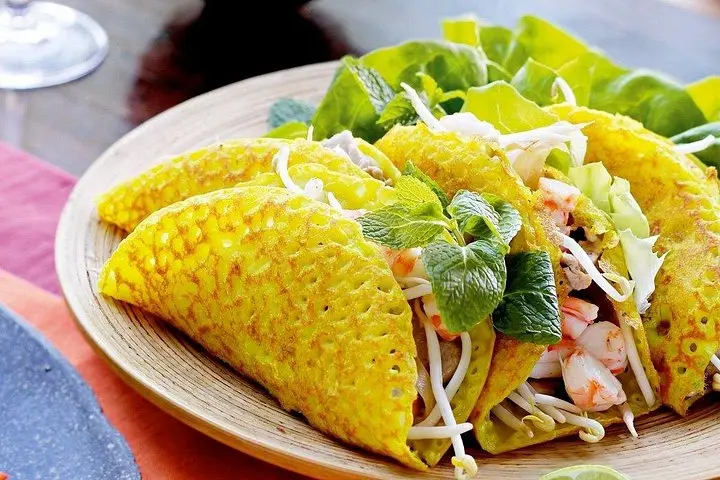
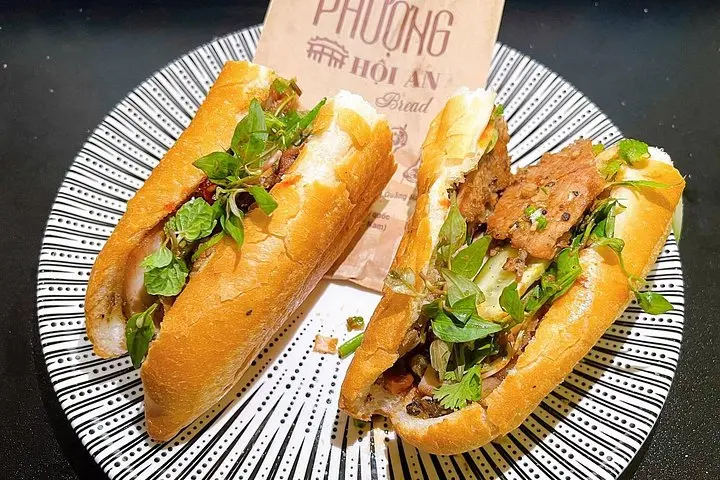
You move past wooden shopfronts and the low hum of motorbikes while the Thu Bon River curves beside the Old Town, its surface reflecting orange lanterns that seem to tug at your attention. The evening is a sequence of bites: paper-wrapped Banh Mi handed across a bench, a vendor pressing Banh Khot on a sizzling pan, a steaming basket of White Rose dumplings plucked from a single family-run tray.
Hoi An’s food reflects its history as a port where Chinese, Japanese and Cham influences met local rice and herbs. The town’s geology — a low coastal plain fed by the Thu Bon’s sediments — made rice paddies and herb gardens like Tra Que possible, which in turn shaped the fresh flavors you taste.
Cultural rhythms matter: markets peak at dusk, families gather at shared tables and small stalls often pass recipes down generations. The practical side is simple—carry small bills, pace your plates, and accept that queues at the best stalls are part of the ritual.
Plan for four hours of easy walking; the tour balances tastes with context, stopping at well-known specialties like Cao Lau and lesser-known courtyard snacks. Stay hydrated in Hoi An’s humidity, pack a light rain layer in wet months, and let your guide point out where food is cooked to order versus pre-made. For travelers who want an efficient, flavorful orientation to central Vietnam’s culinary identity, this walk gives history on a plate and the confidence to eat like a local.
Some drinks are included depending on the itinerary—confirm when booking; non-alcoholic options are commonly provided and alcohol may be available to purchase.
Yes—guides can accommodate vegetarian, vegan and many allergy requests if notified at booking; cross-contamination is possible at street stalls.
Expect easy walking across flat, paved and cobbled streets for roughly 2–3 kilometers spread over the 3–4 hour tour with frequent food stops.
Pickup from hotels in Hoi An Old Town is often provided—check the booking confirmation for exact pickup zones and timing.
Charm Tourist operates guided outdoor trips and adventures with an emphasis on safety, stewardship, and memorable experiences.
The lantern-lit alleys of Hoi An condense into a narrow stage as the guide leads a small group through warm, clattering streets.
The lantern-lit alleys of Hoi An condense into a narrow stage as the guide leads a small group through warm, clattering streets.
You move past wooden shopfronts and the low hum of motorbikes while the Thu Bon River curves beside the Old Town, its surface reflecting orange lanterns that seem to tug at your attention. The evening is a sequence of bites: paper-wrapped Banh Mi handed across a bench, a vendor pressing Banh Khot on a sizzling pan, a steaming basket of White Rose dumplings plucked from a single family-run tray.
Hoi An’s food reflects its history as a port where Chinese, Japanese and Cham influences met local rice and herbs. The town’s geology — a low coastal plain fed by the Thu Bon’s sediments — made rice paddies and herb gardens like Tra Que possible, which in turn shaped the fresh flavors you taste.
Cultural rhythms matter: markets peak at dusk, families gather at shared tables and small stalls often pass recipes down generations. The practical side is simple—carry small bills, pace your plates, and accept that queues at the best stalls are part of the ritual.
Plan for four hours of easy walking; the tour balances tastes with context, stopping at well-known specialties like Cao Lau and lesser-known courtyard snacks. Stay hydrated in Hoi An’s humidity, pack a light rain layer in wet months, and let your guide point out where food is cooked to order versus pre-made. For travelers who want an efficient, flavorful orientation to central Vietnam’s culinary identity, this walk gives history on a plate and the confidence to eat like a local.