THE ADVENTURE COLLECTIVE® · Independent discovery and booking for outdoor travel

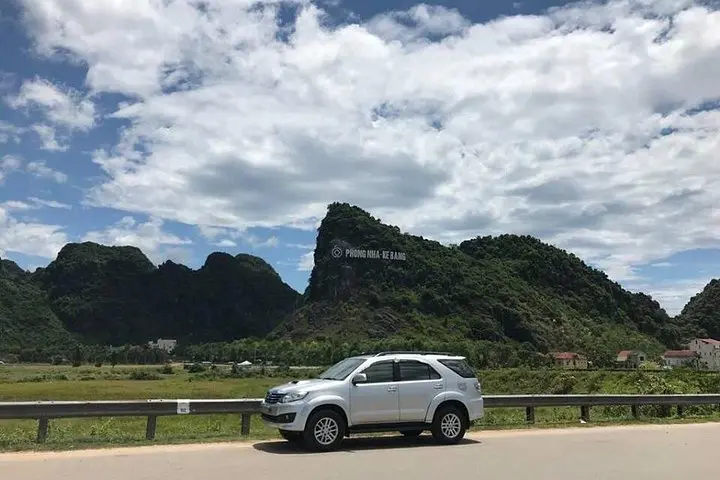
Drive from Hoi An to Phong Nha across Hai Van Pass, stopping at Lang Co Beach, Lap An Lagoon, Hiền Lương Bridge and the Vinh Moc Tunnels. This private one-way transfer blends big coastal views with significant wartime history and access to Phong Nha-Ke Bang’s karst caves.
Drive from Hoi An to Phong Nha across Hai Van Pass, stopping at Lang Co Beach, Lap An Lagoon, Hiền Lương Bridge and the Vinh Moc Tunnels. This private one-way transfer blends big coastal views with significant wartime history and access to Phong Nha-Ke Bang’s karst caves.
A ribbon of asphalt peels away from Hoi An at dawn and the sea keeps pace to the right as the car climbs toward Hai Van Pass. Wind plays at open windows, salt and limestone scents wash in, and the pass unfurls—sheer coastal cliffs, sweeping ocean platforms, small fishing coves—and each lookout honors the view with unobstructed perspective.
Verified experiences and guided adventures in the surrounding area.
Operated by Hoi An Rental Car · Hoi An, Quang Nam
A ribbon of asphalt peels away from Hoi An at dawn and the sea keeps pace to the right as the car climbs toward Hai Van Pass. Wind plays at open windows, salt and limestone scents wash in, and the pass unfurls—sheer coastal cliffs, sweeping ocean platforms, small fishing coves—and each lookout honors the view with unobstructed perspective.
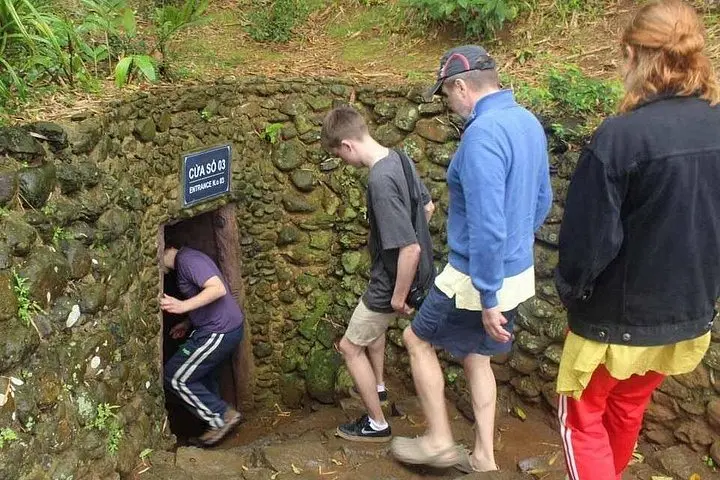
The route stitches together layers of Central Vietnam’s story: the Viet Cong-era Vinh Moc Tunnels carved into soft basalt and laterite; Hiền Lương Bridge, once a wartime demarcation on the Bến Hải River; and Lap An Lagoon, a shallow coastal basin shaped by tidal flows and mountain runoff. Geology here alternates between coastal sand, lagoon silt and the karst limestone that defines Phong Nha-Ke Bang.
Along the way, roadside villages and shell-gray boats speak to a culture rooted in fishing, small-scale rice farming and resilient wartime ingenuity. Phong Nha itself sits under a canopy of ancient limestone caves—UNESCO-listed karst where underground rivers continue to shape chambers and passages.
Practical guidance: plan for an 8–9 hour private transfer with multiple short stops—lookouts, a beach walk, historical sites and a guided visit into the Vinh Moc Tunnel complex. Bring a refillable water bottle, sun protection and comfortable shoes for short hikes and tunnel stairs. Expect multiple photo opportunities and limited restroom options between major towns; carry local cash for small vendors and parking or tolls. Start early to avoid mid-day heat and traffic around Da Nang, and allow extra time arriving into Phong Nha if you intend to book cave visits the same day.
Expect about 8–9 hours door-to-door depending on traffic and how long you spend at each stop.
No specialized fitness required, but tunnels have low sections and stairs—those with limited mobility may find some areas difficult.
Yes—Lang Co has a long sandy beach and usually calm sections for a quick swim, but always check local conditions before entering the water.
The private transfer includes a driver and a basic English-speaking guide; they can assist with tickets and local arrangements but major cave tours may require separate booking.
Hoi An Rental Car operates guided outdoor trips and adventures with an emphasis on safety, stewardship, and memorable experiences.
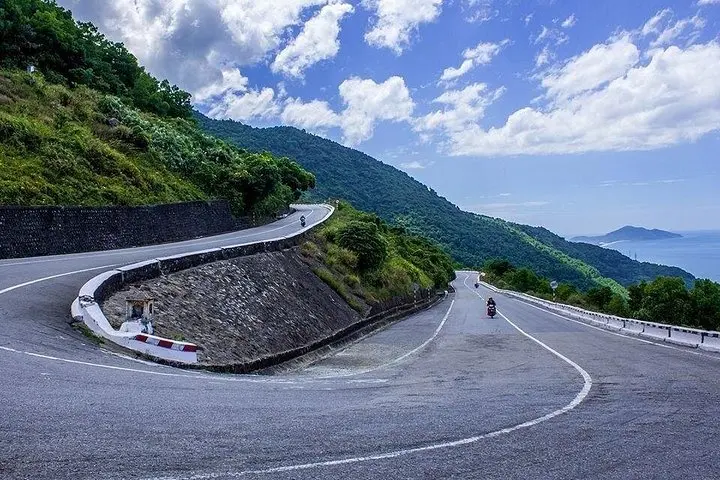
A ribbon of asphalt peels away from Hoi An at dawn and the sea keeps pace to the right as the car climbs toward Hai Van Pass. Wind plays at open windows, salt and limestone scents wash in, and the pass unfurls—sheer coastal cliffs, sweeping ocean platforms, small fishing coves—and each lookout honors the view with unobstructed perspective.
A ribbon of asphalt peels away from Hoi An at dawn and the sea keeps pace to the right as the car climbs toward Hai Van Pass. Wind plays at open windows, salt and limestone scents wash in, and the pass unfurls—sheer coastal cliffs, sweeping ocean platforms, small fishing coves—and each lookout honors the view with unobstructed perspective.
The route stitches together layers of Central Vietnam’s story: the Viet Cong-era Vinh Moc Tunnels carved into soft basalt and laterite; Hiền Lương Bridge, once a wartime demarcation on the Bến Hải River; and Lap An Lagoon, a shallow coastal basin shaped by tidal flows and mountain runoff. Geology here alternates between coastal sand, lagoon silt and the karst limestone that defines Phong Nha-Ke Bang.
Along the way, roadside villages and shell-gray boats speak to a culture rooted in fishing, small-scale rice farming and resilient wartime ingenuity. Phong Nha itself sits under a canopy of ancient limestone caves—UNESCO-listed karst where underground rivers continue to shape chambers and passages.
Practical guidance: plan for an 8–9 hour private transfer with multiple short stops—lookouts, a beach walk, historical sites and a guided visit into the Vinh Moc Tunnel complex. Bring a refillable water bottle, sun protection and comfortable shoes for short hikes and tunnel stairs. Expect multiple photo opportunities and limited restroom options between major towns; carry local cash for small vendors and parking or tolls. Start early to avoid mid-day heat and traffic around Da Nang, and allow extra time arriving into Phong Nha if you intend to book cave visits the same day.