THE ADVENTURE COLLECTIVE® · Independent discovery and booking for outdoor travel

Board a wooden boat, pedal quiet island lanes and walk Hoi An’s heritage streets in one day. This tour pairs river travel and local craft visits with a guided stroll through the UNESCO-listed old town.
Board a wooden boat, pedal quiet island lanes and walk Hoi An’s heritage streets in one day. This tour pairs river travel and local craft visits with a guided stroll through the UNESCO-listed old town.
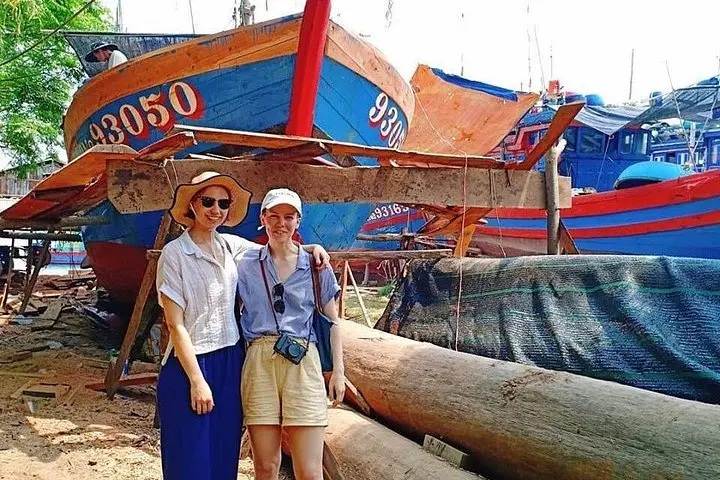
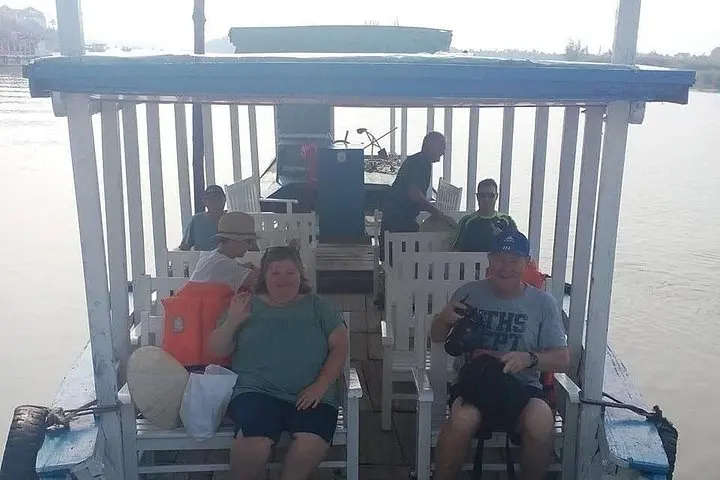
Morning light splits the Thu Bon River as you step onto a low wooden boat; the current nudges you past stilted yards and open workshops where planks become boats by hand. The ride to Cam Kim Island is quiet except for the scrape of oars and the rhythm of saws from woodcarvers shaping keels—nature and craft pushing the day forward.
Verified experiences and guided adventures in the surrounding area.
Operated by My son Private Tours · Hoi An, Quang Nam
Morning light splits the Thu Bon River as you step onto a low wooden boat; the current nudges you past stilted yards and open workshops where planks become boats by hand. The ride to Cam Kim Island is quiet except for the scrape of oars and the rhythm of saws from woodcarvers shaping keels—nature and craft pushing the day forward.
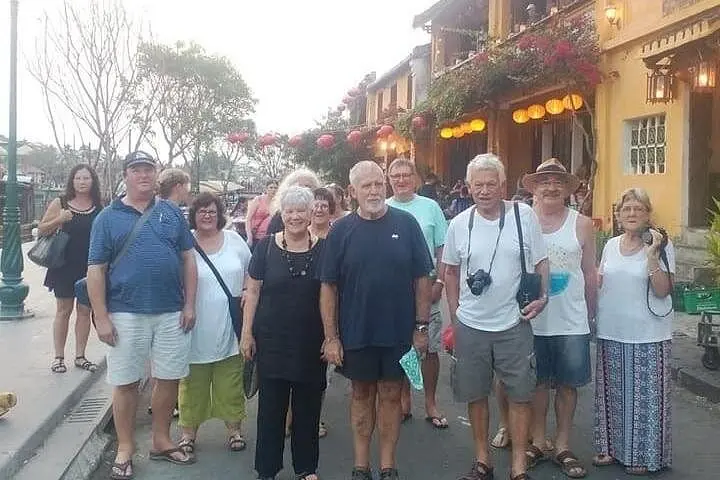
Hoi An’s streets tell the story of an old port: Japanese merchants once built a covered bridge, Chinese guilds left carved assembly halls, and colonial-era shop-houses lean toward narrow lanes. Geologically, the flat floodplain and nearby Annamite foothills created the sheltered harbor that made Hoi An a trading hub from the 16th to 18th centuries.
On Cam Kim, bicycles hum along palm-lined paths. You’ll pass families making rice paper, mats and noodles—hands moving with practiced economy—and see traditional wooden boatbuilding where cedar and jackfruit planks meet old joinery techniques. These are working landscapes as much as scenes; the culture here is daily life, shared.
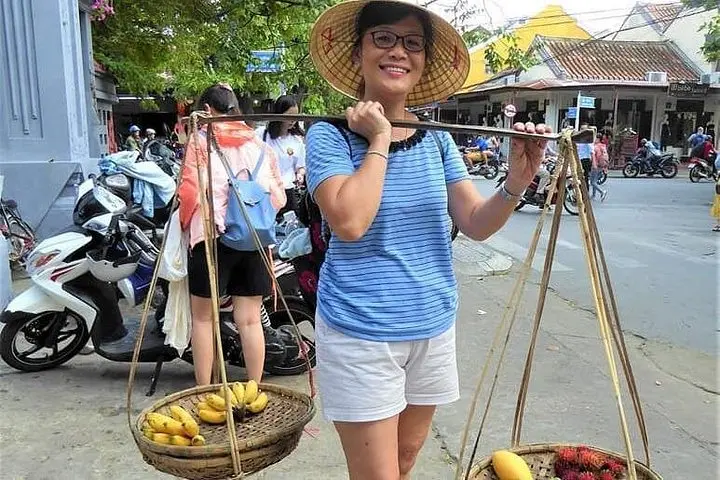
Practical guidance: plan for a full day (about eight hours) with mixed activity—boat transfers, a guided walk through the Old Town, short rides on flat rural roads and hands-on craft stops. Wear sturdy walking shoes and comfortable shorts, bring sun protection and a refillable bottle: bottled water is provided, but staying topped up helps in the heat. Bring modest clothing for temple visits and a small amount of cash for market purchases or tips.
Timing matters—mornings and late afternoons are coolest, and a local guide will help you move between busy lanes and quieter alleys so you see both the postcard sights and the everyday working places.
The private tour runs about eight hours with a relaxed pace—boat transfer, guided walk through Hoi An, hands-on craft stops and a short bicycle loop on Cam Kim.
No; rides are short on flat rural lanes. Basic cycling skills are sufficient and guides choose easy routes.
Yes—this tour includes village tickets and a local lunch, plus bottled water and guide services as listed in the itinerary.
Families are welcome; infants can use strollers for parts of the town walk, but expect some narrow lanes and steps—children should be supervised.
My son Private Tours operates guided outdoor trips and adventures with an emphasis on safety, stewardship, and memorable experiences.
Morning light splits the Thu Bon River as you step onto a low wooden boat; the current nudges you past stilted yards and open workshops where planks become boats by hand. The ride to Cam Kim Island is quiet except for the scrape of oars and the rhythm of saws from woodcarvers shaping keels—nature and craft pushing the day forward.
Morning light splits the Thu Bon River as you step onto a low wooden boat; the current nudges you past stilted yards and open workshops where planks become boats by hand. The ride to Cam Kim Island is quiet except for the scrape of oars and the rhythm of saws from woodcarvers shaping keels—nature and craft pushing the day forward.
Hoi An’s streets tell the story of an old port: Japanese merchants once built a covered bridge, Chinese guilds left carved assembly halls, and colonial-era shop-houses lean toward narrow lanes. Geologically, the flat floodplain and nearby Annamite foothills created the sheltered harbor that made Hoi An a trading hub from the 16th to 18th centuries.
On Cam Kim, bicycles hum along palm-lined paths. You’ll pass families making rice paper, mats and noodles—hands moving with practiced economy—and see traditional wooden boatbuilding where cedar and jackfruit planks meet old joinery techniques. These are working landscapes as much as scenes; the culture here is daily life, shared.
Practical guidance: plan for a full day (about eight hours) with mixed activity—boat transfers, a guided walk through the Old Town, short rides on flat rural roads and hands-on craft stops. Wear sturdy walking shoes and comfortable shorts, bring sun protection and a refillable bottle: bottled water is provided, but staying topped up helps in the heat. Bring modest clothing for temple visits and a small amount of cash for market purchases or tips.
Timing matters—mornings and late afternoons are coolest, and a local guide will help you move between busy lanes and quieter alleys so you see both the postcard sights and the everyday working places.