THE ADVENTURE COLLECTIVE® · Independent discovery and booking for outdoor travel

Spend a half-day in central Sapporo learning traditional Japanese dyeing techniques and creating a personalized furoshiki to take home. This hands-on workshop blends cultural history with practical craft—perfect for travelers who want a tactile souvenir and a quiet lesson in color.
Spend a half-day in central Sapporo learning traditional Japanese dyeing techniques and creating a personalized furoshiki to take home. This hands-on workshop blends cultural history with practical craft—perfect for travelers who want a tactile souvenir and a quiet lesson in color.
The studio door opens onto a slice of Sapporo light: a narrow shopfront, the smell of warm cloth, and a row of dyes glittering like small, concentrated lakes. You take a breath and the city—its crisp winter air or the green hush of summer parks beyond Odori—feels a step away as your hands meet fabric.
Verified experiences and guided adventures in the surrounding area.
Operated by H.I.S.Co., Ltd. · Sapporo, Hokkaido
The studio door opens onto a slice of Sapporo light: a narrow shopfront, the smell of warm cloth, and a row of dyes glittering like small, concentrated lakes. You take a breath and the city—its crisp winter air or the green hush of summer parks beyond Odori—feels a step away as your hands meet fabric.
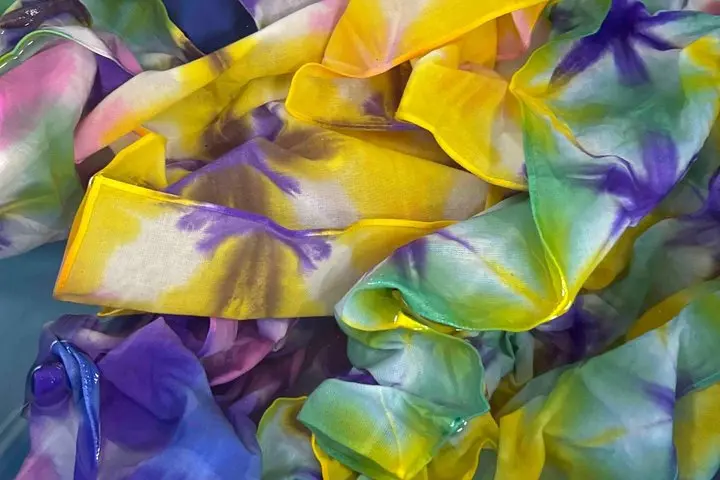
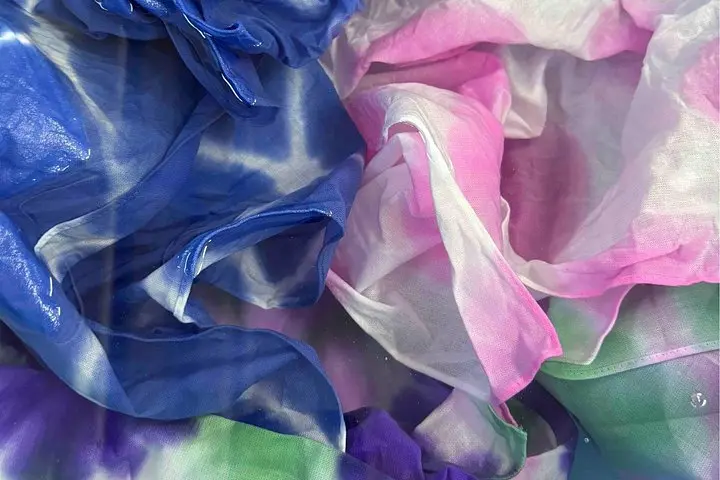
Japanese dyeing has roots in centuries-old techniques such as shibori and katazome, methods that traveled with merchants and adapted to local tastes across Honshu and into Hokkaido. The furoshiki you’ll dye carries that practical lineage—originally a utility cloth for carrying goods, now a sustainable alternative to single-use bags and a canvas for contemporary color. Hokkaido’s climate and light have shaped regional palettes: cool indigos in colder months, brighter botanical tones in summer.
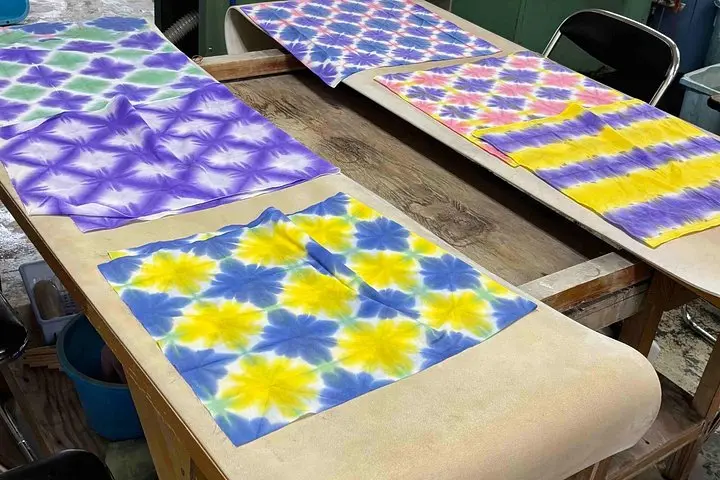
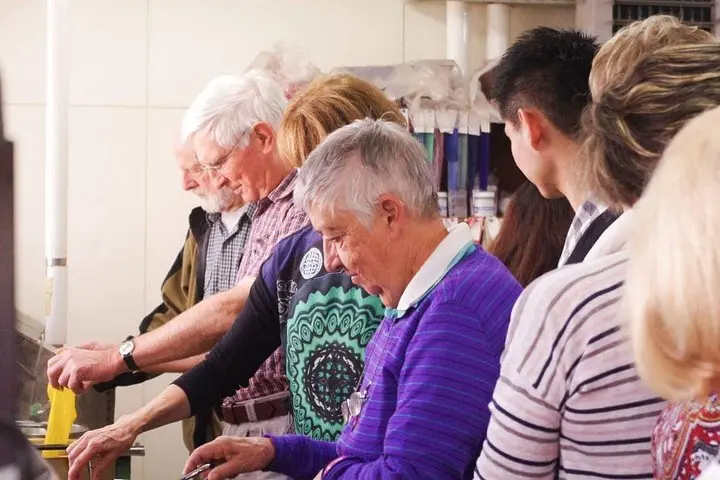
The classroom portion—guided by a professional coach—covers pattern transfer, resist techniques, and safe handling of chemical dyes, then gives you time to compose and apply color. Expect hands-on pacing: measuring, clamping, and rinsing, then drying time that may extend your visit. Finished pieces leave as usable gifts or daily wraps and embody both technique and travel memory.
Practical notes: book ahead, arrive with clothes you don’t mind staining, and allow at least two hours (longer if you choose more elaborate work). Public transit drops you near Sapporo Station and Odori Park; studios often provide aprons and gloves but not transportation for wet pieces. Bring a camera, and plan a follow-up stroll through Odori to watch the city reclaim you—light and river pushing you forward toward the next detail of Hokkaido.
No—workshops are designed for beginners and your coach will guide you through each step.
The experience uses chemical dyes; studios follow local safety standards—ask staff about ventilation and glove options if concerned.
Many studios welcome older children under supervision; check age requirements when booking and expect shorter attention spans may limit project complexity.
Not always—drying time depends on technique and weather; plan for partial drying or request studio drying/pickup options.
H.I.S.Co., Ltd. operates guided outdoor trips and adventures with an emphasis on safety, stewardship, and memorable experiences.
The studio door opens onto a slice of Sapporo light: a narrow shopfront, the smell of warm cloth, and a row of dyes glittering like small, concentrated lakes. You take a breath and the city—its crisp winter air or the green hush of summer parks beyond Odori—feels a step away as your hands meet fabric.
The studio door opens onto a slice of Sapporo light: a narrow shopfront, the smell of warm cloth, and a row of dyes glittering like small, concentrated lakes. You take a breath and the city—its crisp winter air or the green hush of summer parks beyond Odori—feels a step away as your hands meet fabric.
Japanese dyeing has roots in centuries-old techniques such as shibori and katazome, methods that traveled with merchants and adapted to local tastes across Honshu and into Hokkaido. The furoshiki you’ll dye carries that practical lineage—originally a utility cloth for carrying goods, now a sustainable alternative to single-use bags and a canvas for contemporary color. Hokkaido’s climate and light have shaped regional palettes: cool indigos in colder months, brighter botanical tones in summer.
The classroom portion—guided by a professional coach—covers pattern transfer, resist techniques, and safe handling of chemical dyes, then gives you time to compose and apply color. Expect hands-on pacing: measuring, clamping, and rinsing, then drying time that may extend your visit. Finished pieces leave as usable gifts or daily wraps and embody both technique and travel memory.
Practical notes: book ahead, arrive with clothes you don’t mind staining, and allow at least two hours (longer if you choose more elaborate work). Public transit drops you near Sapporo Station and Odori Park; studios often provide aprons and gloves but not transportation for wet pieces. Bring a camera, and plan a follow-up stroll through Odori to watch the city reclaim you—light and river pushing you forward toward the next detail of Hokkaido.