THE ADVENTURE COLLECTIVE® · Independent discovery and booking for outdoor travel

Covering geothermal Hell Valley, the caldera expanse of Lake Toya and the canal streets of Otaru, this full-day from Sapporo packs volcanic geology and craft-town culture into a single, accessible route. Expect boardwalks, panoramic overlooks and a mix of easy walks and coach transfers.
Covering geothermal Hell Valley, the caldera expanse of Lake Toya and the canal streets of Otaru, this full-day from Sapporo packs volcanic geology and craft-town culture into a single, accessible route. Expect boardwalks, panoramic overlooks and a mix of easy walks and coach transfers.
A low rumble from the earth and steam curling from fissures set the tone within minutes of leaving Sapporo. The day moves like a film reel—sulfur-scented valley walks in Noboribetsu, the mirror calm of Lake Toya’s caldera, and the stone-lined canals of Otaru with glass shops and music boxes catching light.
Verified experiences and guided adventures in the surrounding area.
Operated by TREVOPEDIA · Sapporo, Hokkaido
A low rumble from the earth and steam curling from fissures set the tone within minutes of leaving Sapporo. The day moves like a film reel—sulfur-scented valley walks in Noboribetsu, the mirror calm of Lake Toya’s caldera, and the stone-lined canals of Otaru with glass shops and music boxes catching light.
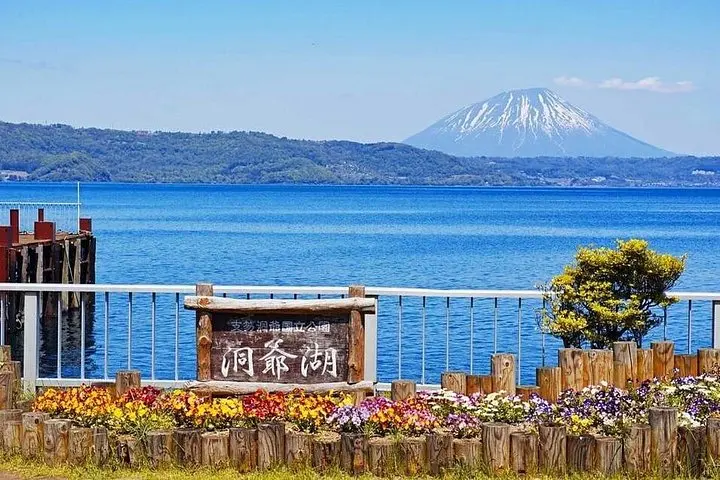
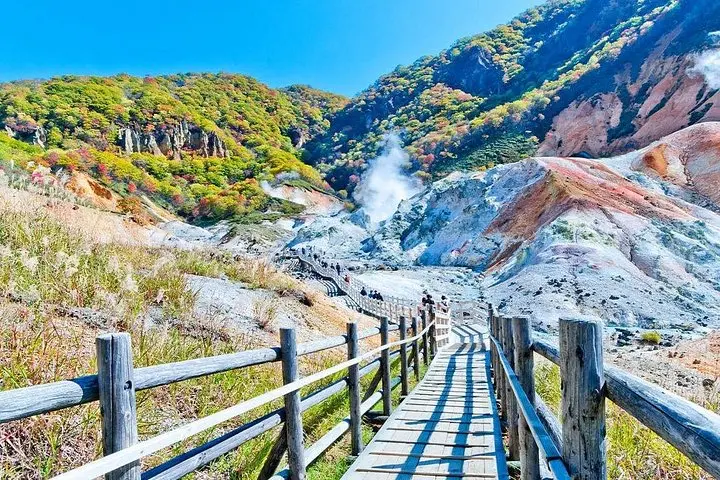
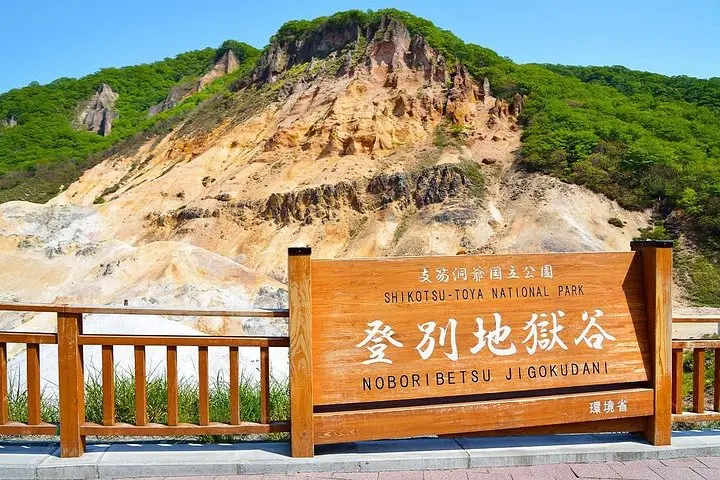
Geology shapes the route: Jigokudani (Hell Valley) is a visible record of Hokkaido’s volcanic restlessness, with bubbling springs and mineral-streaked slopes. Lake Toya occupies a roughly 10 km-wide caldera formed by ancient eruptions; nearby Showa Shinzan is a modern volcanic dome born in the 1940s. Culturally, Otaru’s brick warehouses and canal date to the Meiji-era expansion when the port linked Hokkaido to wider Japan; its glasswork and music boxes speak to a local craft economy shaped by sea and trade.
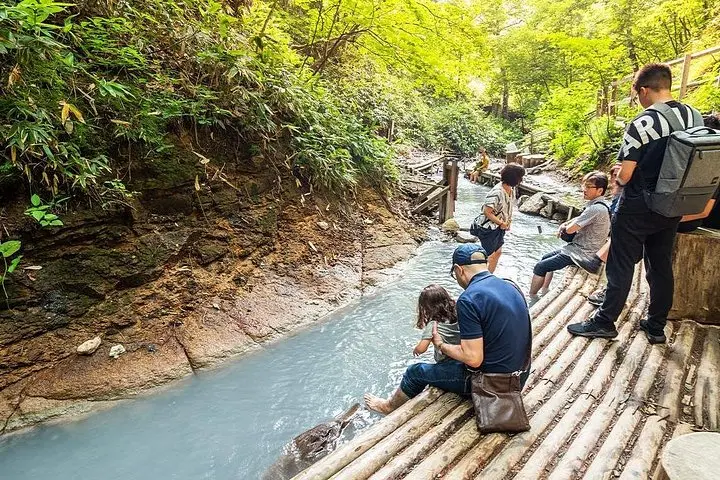
Expect maintained paths at geothermal sites, short boardwalk climbs, and several easy photo stops; the tour runs 9–10 hours with coach transfers between points. Sensory notes: steam daring the air, pine-scented roads around Toya, and the soft clink of music boxes in Otaru’s alleys.
Practical guidance: bring layered insulation for winds off the lake and a mask or handkerchief for sulfur smells. Shoes with grip are useful on wet boardwalks; cameras with neutral-density filters help with bright reflections on the lake. Peak seasons are summer for clear vistas and winter for Otaru’s Snow Light Path festival—plan extra time if you want to explore Otaru on foot. The tour is accessible and suits travelers seeking varied natural and cultural highlights in one full day.
The tour runs about 9–10 hours total; typical stop times are ~80 minutes at Jigokudani, ~30 at Oyunuma, ~120 at Lake Toya viewpoints, and ~120 in Otaru (plus transit).
The tour notes wheelchair-accessible transport and many paved/viewpoint areas, but some geothermal paths include steps and uneven surfaces—check specific site access before booking.
Showa Shinzan is an active volcanic dome formed in the 1940s, but ‘activity’ is usually limited to fumarolic heat and historical interpretation rather than visible eruptions; views from observatories are the highlight.
Yes—winter departures often include Otaru’s festival ambiance; expect colder conditions, possible snow on paths, and earlier dusk for lit displays.
TREVOPEDIA operates guided outdoor trips and adventures with an emphasis on safety, stewardship, and memorable experiences.
A low rumble from the earth and steam curling from fissures set the tone within minutes of leaving Sapporo. The day moves like a film reel—sulfur-scented valley walks in Noboribetsu, the mirror calm of Lake Toya’s caldera, and the stone-lined canals of Otaru with glass shops and music boxes catching light.
A low rumble from the earth and steam curling from fissures set the tone within minutes of leaving Sapporo. The day moves like a film reel—sulfur-scented valley walks in Noboribetsu, the mirror calm of Lake Toya’s caldera, and the stone-lined canals of Otaru with glass shops and music boxes catching light.
Geology shapes the route: Jigokudani (Hell Valley) is a visible record of Hokkaido’s volcanic restlessness, with bubbling springs and mineral-streaked slopes. Lake Toya occupies a roughly 10 km-wide caldera formed by ancient eruptions; nearby Showa Shinzan is a modern volcanic dome born in the 1940s. Culturally, Otaru’s brick warehouses and canal date to the Meiji-era expansion when the port linked Hokkaido to wider Japan; its glasswork and music boxes speak to a local craft economy shaped by sea and trade.
Expect maintained paths at geothermal sites, short boardwalk climbs, and several easy photo stops; the tour runs 9–10 hours with coach transfers between points. Sensory notes: steam daring the air, pine-scented roads around Toya, and the soft clink of music boxes in Otaru’s alleys.
Practical guidance: bring layered insulation for winds off the lake and a mask or handkerchief for sulfur smells. Shoes with grip are useful on wet boardwalks; cameras with neutral-density filters help with bright reflections on the lake. Peak seasons are summer for clear vistas and winter for Otaru’s Snow Light Path festival—plan extra time if you want to explore Otaru on foot. The tour is accessible and suits travelers seeking varied natural and cultural highlights in one full day.