THE ADVENTURE COLLECTIVE® · Independent discovery and booking for outdoor travel

Two packed winter days across Hokkaido: Asahiyama Zoo’s active displays, Sounkyo’s frozen waterfalls, and an icebreaker cruise through Okhotsk drift ice. Practical, family-friendly, and ideal for photographers and nature lovers.
Two packed winter days across Hokkaido: Asahiyama Zoo’s active displays, Sounkyo’s frozen waterfalls, and an icebreaker cruise through Okhotsk drift ice. Practical, family-friendly, and ideal for photographers and nature lovers.
A low sun slices the horizon as the bus pulls out of Sapporo and the landscape turns to hard, white country. Wind scours the plains, and distant mountain ribs of Daisetsuzan press snow into sharp cornices; even the river seems to slow its flow to watch the drift ice form along the Sea of Okhotsk.
Verified experiences and guided adventures in the surrounding area.
Operated by Monchan Travel · Sapporo, Hokkaido
A low sun slices the horizon as the bus pulls out of Sapporo and the landscape turns to hard, white country. Wind scours the plains, and distant mountain ribs of Daisetsuzan press snow into sharp cornices; even the river seems to slow its flow to watch the drift ice form along the Sea of Okhotsk.
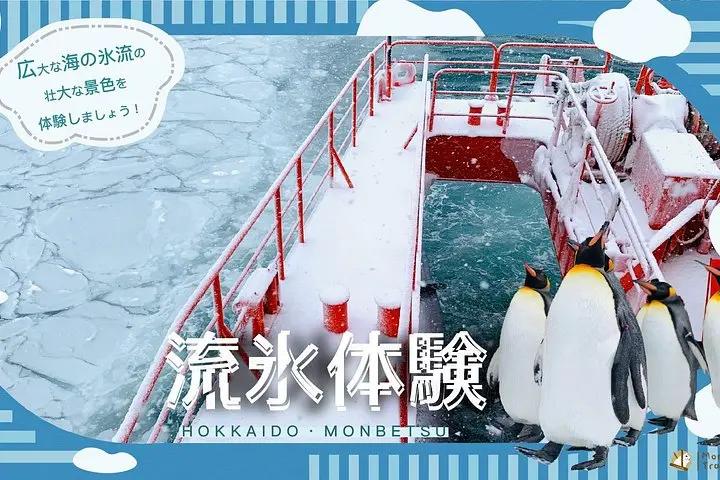
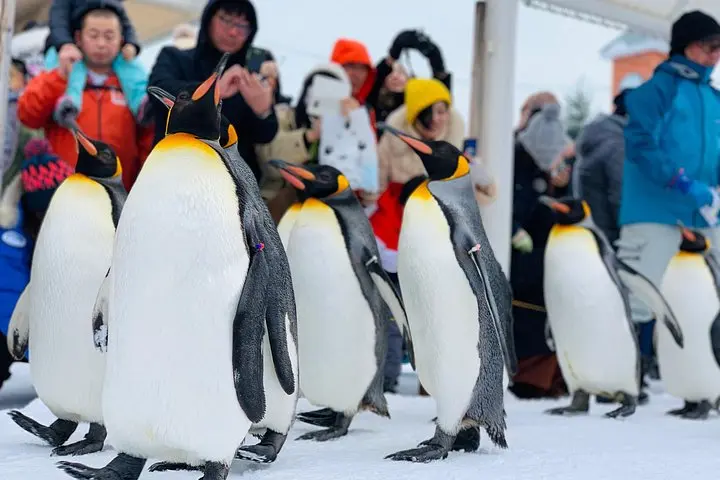
This two-day itinerary threads together Hokkaido’s winter extremes: the active animal displays at Asahiyama Zoo, the thunderous pair of Ryusei and Ginga waterfalls carved by glacial and volcanic forces in Sounkyo Gorge, and the Garinko-class icebreaker that forces passage through seasonal pack ice off Monbetsu. The region’s geology is recent and volatile—volcanic uplifts and glacial carving built the cliffs and valleys visitors traverse—while Ainu and settler histories inform the food culture, from crabs to robatayaki.
Practical guidance is straightforward. Days are full but low-impact: expect short walks on prepared paths, boardwalk viewpoints for the waterfalls, and time indoors to warm up between outdoor stops. The icebreaker cruise is exposed on deck; temperatures and wind make heavy insulation essential. Wildlife sightings—seals hauled out on floes, Steller’s sea eagles patrolling thermals—are common but never guaranteed; patience and stillness improve odds.
Plan around daylight and weather: winter daylight is short, and drift ice conditions change daily. Carry waterproof, insulated footwear, extra batteries for cameras, and a small daypack for layers and hot drinks. For families and first-time visitors, the mix of wildlife, food, hot springs, and bold ice travel delivers an efficient, memorable sample of Hokkaido winter.
No—drift ice forms and moves with weather and currents; operators run the cruise when ice conditions allow, but sightings depend on timing and nature’s movement.
Yes; the itinerary lists family-friendly activities and stroller access, but infants must sit on an adult’s lap for safety where required.
Yes—two lunches, hotel with onsen in Sounkyo, breakfast and dinner are included as specified in the itinerary; check specifics at booking for dietary needs.
Accessibility varies by site; many locations have paths and viewing areas, but the icebreaker deck and some outdoor trails may be challenging—contact the operator to confirm needs.
Monchan Travel operates guided outdoor trips and adventures with an emphasis on safety, stewardship, and memorable experiences.
A low sun slices the horizon as the bus pulls out of Sapporo and the landscape turns to hard, white country. Wind scours the plains, and distant mountain ribs of Daisetsuzan press snow into sharp cornices; even the river seems to slow its flow to watch the drift ice form along the Sea of Okhotsk.
A low sun slices the horizon as the bus pulls out of Sapporo and the landscape turns to hard, white country. Wind scours the plains, and distant mountain ribs of Daisetsuzan press snow into sharp cornices; even the river seems to slow its flow to watch the drift ice form along the Sea of Okhotsk.
This two-day itinerary threads together Hokkaido’s winter extremes: the active animal displays at Asahiyama Zoo, the thunderous pair of Ryusei and Ginga waterfalls carved by glacial and volcanic forces in Sounkyo Gorge, and the Garinko-class icebreaker that forces passage through seasonal pack ice off Monbetsu. The region’s geology is recent and volatile—volcanic uplifts and glacial carving built the cliffs and valleys visitors traverse—while Ainu and settler histories inform the food culture, from crabs to robatayaki.
Practical guidance is straightforward. Days are full but low-impact: expect short walks on prepared paths, boardwalk viewpoints for the waterfalls, and time indoors to warm up between outdoor stops. The icebreaker cruise is exposed on deck; temperatures and wind make heavy insulation essential. Wildlife sightings—seals hauled out on floes, Steller’s sea eagles patrolling thermals—are common but never guaranteed; patience and stillness improve odds.
Plan around daylight and weather: winter daylight is short, and drift ice conditions change daily. Carry waterproof, insulated footwear, extra batteries for cameras, and a small daypack for layers and hot drinks. For families and first-time visitors, the mix of wildlife, food, hot springs, and bold ice travel delivers an efficient, memorable sample of Hokkaido winter.