THE ADVENTURE COLLECTIVE® · Independent discovery and booking for outdoor travel

Spend a full day exploring Holbox’s beaches, the freshwater Yalahau cenote, Pasión Island and the sandbars of Punta Mosquito. This accessible boat-and-land tour blends wildlife viewing, a traditional lunch, and free time to bike Holbox’s colorful streets.
Spend a full day exploring Holbox’s beaches, the freshwater Yalahau cenote, Pasión Island and the sandbars of Punta Mosquito. This accessible boat-and-land tour blends wildlife viewing, a traditional lunch, and free time to bike Holbox’s colorful streets.
The day starts before the sun fully warms the Caribbean—an air-conditioned van threads away from Playa del Carmen, the driver calling out meeting points as the coast thins into mangrove and salt flats. At Chiquilá the ferry waits: a low-slung boat that slips across glassy water, the shallow sea daring you to count the darker ribbons of seagrass beneath. Arriving at Pasión Island, you step onto powder-soft sand so quiet the waves sound like pages turning.
Verified experiences and guided adventures in the surrounding area.
Operated by krea travel · Holbox, Quintana Roo
The day starts before the sun fully warms the Caribbean—an air-conditioned van threads away from Playa del Carmen, the driver calling out meeting points as the coast thins into mangrove and salt flats. At Chiquilá the ferry waits: a low-slung boat that slips across glassy water, the shallow sea daring you to count the darker ribbons of seagrass beneath. Arriving at Pasión Island, you step onto powder-soft sand so quiet the waves sound like pages turning.
This is a loop through coastal environments that read like a field guide: barrier beaches, mangrove channels, a freshwater cenote, and Holbox’s lazy village lanes where bicycles outnumber cars. Yalahau cenote—fed by underground limestone channels carved from ancient reef—offers a sharp coolness after the salt. Locals have long regarded springs like Yalahau as life sources; the cenote still draws migratory birds and, occasionally, the reflective curiosity of a diving iguana.
Holbox itself straddles working fishing culture and protected wildlife zones. The archipelago sits on the northern rim of the Yucatán Peninsula and is part of a region famed for whale sharks (seasonal, roughly June–September) and brackish lagoons that host flamingos and herons. Punta Mosquito, a thin spit of sand, presents the postcard moment: sea-hammocks half-submerged at low tide where turquoise and pale sky meet.
Beyond the scenery, this tour is practical travel: a traditional Mexican lunch is served mid-day, bikes are available to explore the island’s pastel streets and murals, and guides brief the group on protected areas to respect. The experience is intentionally accessible—suitable for families and travelers with basic mobility—but the length of the day makes it a commitment.
Plan for sun and salt: bring reef-safe sunscreen, a wide-brim hat, and a waterproof bag for electronics. Footwear that can handle sand and slippery boardwalks—light water shoes or sturdy sandals—works better than flip-flops. If you get motion sick, bring medication; the ferry crossing can be bumpy when winds pick up. Carry some small cash for extra snacks, tips, or local vendors on Holbox.
Timing matters: mornings give softer light for photography and calmer water for the cenote and shallow bays; late afternoon light gilds Punta Mosquito. Respect the wildlife rules—no feeding birds, no chasing marine life—and leave the cenote as you found it to help preserve this fragile karst system. Do the day well and you’ll come away with sand in your shoes, a head full of seabird calls, and a clear sense of why this coast still feels like one of Mexico’s quieter frontiers.
The full tour is about 12–13 hours: early pickup in Playa del Carmen, ferry to Holbox with stops at Pasión Island, Yalahau cenote, free time on Holbox, lunch, and Punta Mosquito before returning.
Yes, a swim at Yalahau is included; guides supervise and life jackets are provided—non-swimmers can still enjoy shallow edges and guided viewing.
Bring an ID and passport details are collected at booking; carry a government ID or passport copy as requested for reservation validation.
Whale shark season peaks June–September; flamingo sightings tend to be best in the dry season and in protected lagoons year-round depending on water levels.
A traditional lunch and snacks are included; bring extra cash for additional purchases or tips to local staff.
Yes—infants can ride in strollers and children are welcome, but infants must sit on an adult’s lap during transfers per operator rules.
krea travel operates guided outdoor trips and adventures with an emphasis on safety, stewardship, and memorable experiences.
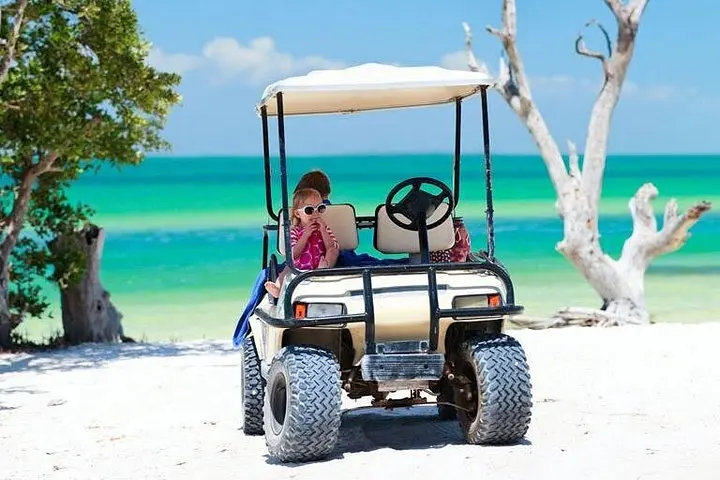
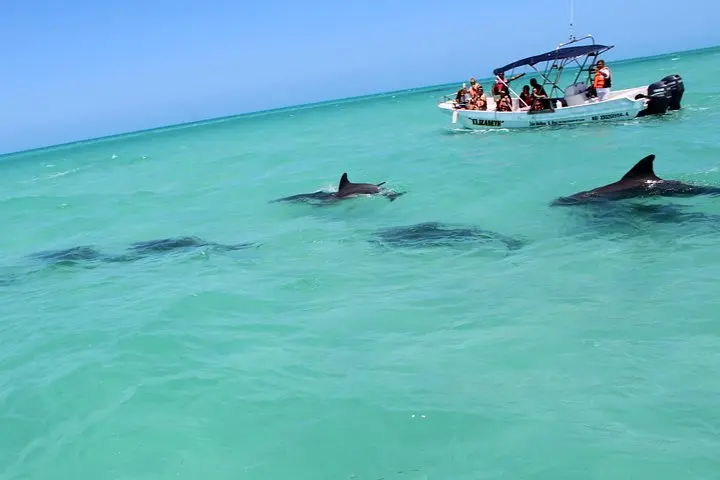
The day starts before the sun fully warms the Caribbean—an air-conditioned van threads away from Playa del Carmen, the driver calling out meeting points as the coast thins into mangrove and salt flats. At Chiquilá the ferry waits: a low-slung boat that slips across glassy water, the shallow sea daring you to count the darker ribbons of seagrass beneath. Arriving at Pasión Island, you step onto powder-soft sand so quiet the waves sound like pages turning.
The day starts before the sun fully warms the Caribbean—an air-conditioned van threads away from Playa del Carmen, the driver calling out meeting points as the coast thins into mangrove and salt flats. At Chiquilá the ferry waits: a low-slung boat that slips across glassy water, the shallow sea daring you to count the darker ribbons of seagrass beneath. Arriving at Pasión Island, you step onto powder-soft sand so quiet the waves sound like pages turning.
This is a loop through coastal environments that read like a field guide: barrier beaches, mangrove channels, a freshwater cenote, and Holbox’s lazy village lanes where bicycles outnumber cars. Yalahau cenote—fed by underground limestone channels carved from ancient reef—offers a sharp coolness after the salt. Locals have long regarded springs like Yalahau as life sources; the cenote still draws migratory birds and, occasionally, the reflective curiosity of a diving iguana.
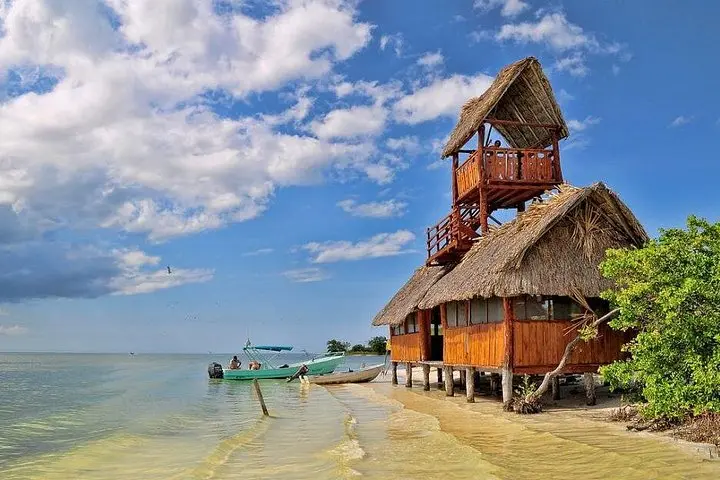
Holbox itself straddles working fishing culture and protected wildlife zones. The archipelago sits on the northern rim of the Yucatán Peninsula and is part of a region famed for whale sharks (seasonal, roughly June–September) and brackish lagoons that host flamingos and herons. Punta Mosquito, a thin spit of sand, presents the postcard moment: sea-hammocks half-submerged at low tide where turquoise and pale sky meet.
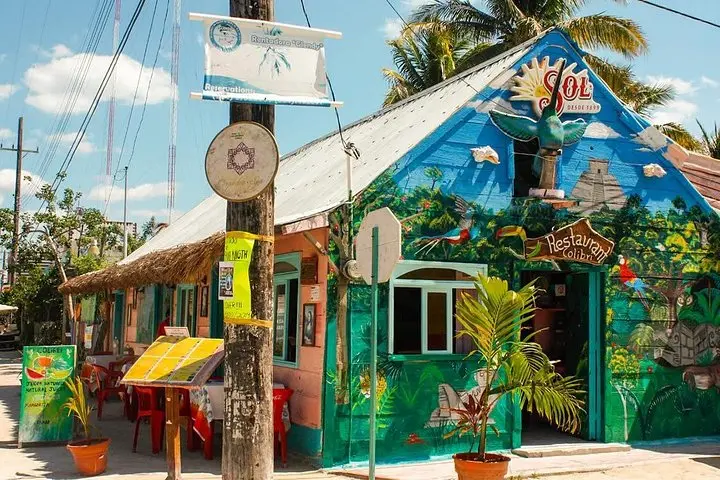
Beyond the scenery, this tour is practical travel: a traditional Mexican lunch is served mid-day, bikes are available to explore the island’s pastel streets and murals, and guides brief the group on protected areas to respect. The experience is intentionally accessible—suitable for families and travelers with basic mobility—but the length of the day makes it a commitment.
Plan for sun and salt: bring reef-safe sunscreen, a wide-brim hat, and a waterproof bag for electronics. Footwear that can handle sand and slippery boardwalks—light water shoes or sturdy sandals—works better than flip-flops. If you get motion sick, bring medication; the ferry crossing can be bumpy when winds pick up. Carry some small cash for extra snacks, tips, or local vendors on Holbox.
Timing matters: mornings give softer light for photography and calmer water for the cenote and shallow bays; late afternoon light gilds Punta Mosquito. Respect the wildlife rules—no feeding birds, no chasing marine life—and leave the cenote as you found it to help preserve this fragile karst system. Do the day well and you’ll come away with sand in your shoes, a head full of seabird calls, and a clear sense of why this coast still feels like one of Mexico’s quieter frontiers.