THE ADVENTURE COLLECTIVE® · Independent discovery and booking for outdoor travel

Spend a full day exploring Holbox’s white sand points and mangrove lagoons by shared golf cart or bike. Visit Punta Cocos and Punta Mosquito, wander the sandy streets of Holbox town and enjoy a regional lunch included in this long, relaxed island loop.
Spend a full day exploring Holbox’s white sand points and mangrove lagoons by shared golf cart or bike. Visit Punta Cocos and Punta Mosquito, wander the sandy streets of Holbox town and enjoy a regional lunch included in this long, relaxed island loop.
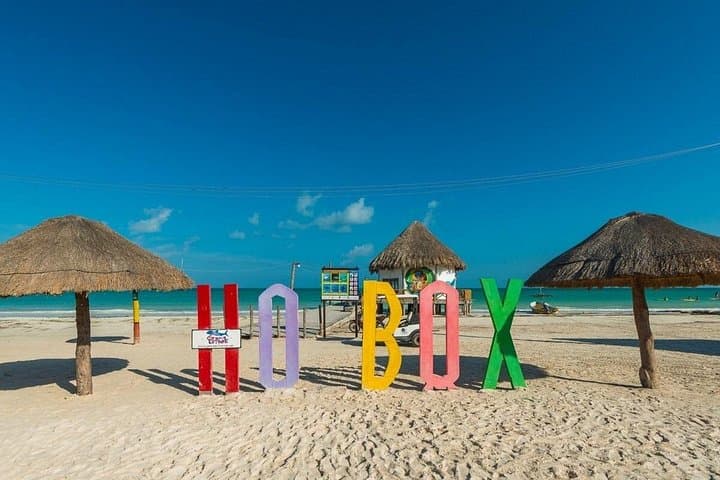
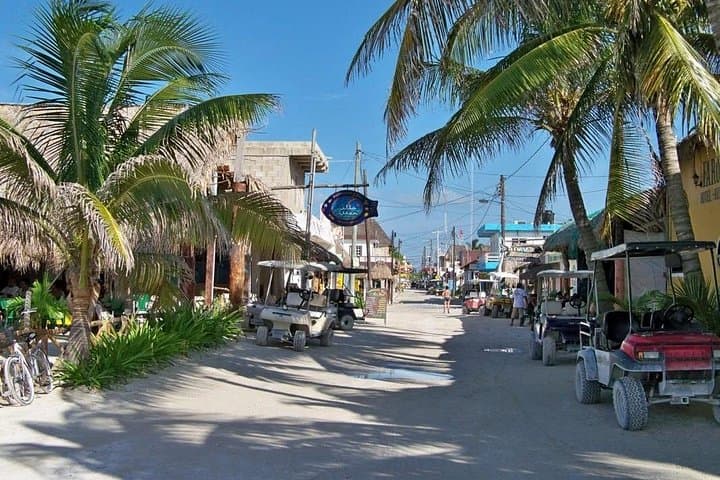
The ferry pushes away from Chiquilá and the mainland blurs into a low, horizontal emerald — then Holbox appears: a strip of white sand, mangrove shadows and a scattering of sun-baked wooden houses. Step off and the island’s rhythm takes over; the air smells faintly of seaweed and frying fish, the sand presses cool underfoot, and golf carts hum like contented bees along sandy lanes.
Verified experiences and guided adventures in the surrounding area.
Operated by Coba Tulum Tour Operator · Holbox, Quintana Roo
The ferry pushes away from Chiquilá and the mainland blurs into a low, horizontal emerald — then Holbox appears: a strip of white sand, mangrove shadows and a scattering of sun-baked wooden houses. Step off and the island’s rhythm takes over; the air smells faintly of seaweed and frying fish, the sand presses cool underfoot, and golf carts hum like contented bees along sandy lanes.
Holbox sits on the shallow shelf of the northern Yucatán, part of the Yum Balam protected area. The land itself is recent in geological terms: wind-driven sandbanks forming over a flat limestone base, where mangroves clutch the shore and lagoons collect a luminous marine life. The island has long been a fishing hamlet — under two thousand residents still make their living from the sea — so the culture is direct and local: markets of ceviche, beachfront palapas selling lime-marinated catches, and bright houses that mark family plots more than tourist façades.
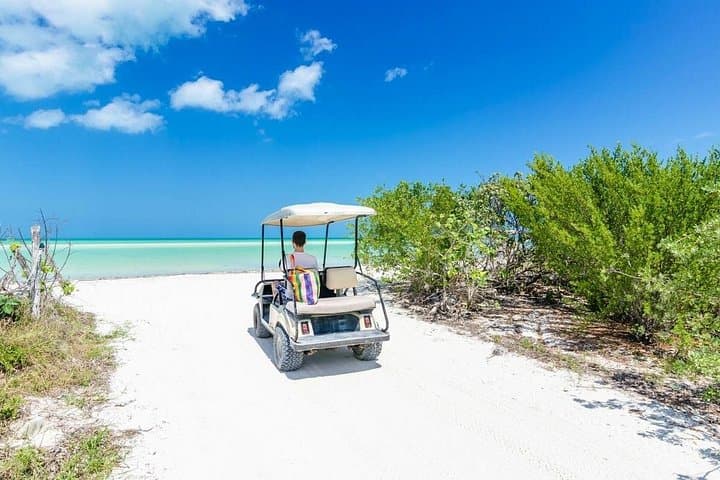
This day tour stretches a long, generous day — 12 to 14 hours — and covers the highlights with time to choose your pace. From the pier you can take a shared golf cart or a bike to Punta Cocos, where shallow pools attract wading birds and the Caribbean tugs at the sandbars. Punta Mosquito, protected and quieter, is a place the island lets grow wild: tidal flats reveal tiny crab cities and shorebirds that treat visitors as passing clouds. Between stops, stroll Holbox town — sandy streets and murals offer simple, photogenic scenes — then sit for a regional lunch of seafood and rice.
Practicalities are straightforward. The ferry from Chiquilá runs about 20–30 minutes each way; prepare for a full day with sun protection and reusable water. Distances on Holbox are short — expect cart rides of roughly 10–25 minutes between the pier, Punta Cocos and Punta Mosquito — and elevation gain is essentially nil. The operator supplies a box breakfast, ferry ticket and lunch; choose the golf cart if you prefer range and speed, a bike if you want to slow down and watch birds up close.
Timing matters: mornings are cooler and birdlife more active; late afternoons soften the light for photos. Respect the reserve — avoid trampling dunes and take all trash off the beach. With a bit of planning — reef-safe sunscreen, a refillable bottle, comfortable water shoes and a charged camera — the Holbox day tour is a low-effort, high-return encounter with Caribbean shorelines that still feel like they belong to the sea first and the traveler second.
The ferry crossing is typically 20–30 minutes each way; schedules run frequently but plan extra time in high season.
Lunch is included, but bring small cash for additional snacks, drinks, tips or souvenirs at local stalls.
Yes — at the island you will be given the option of a shared golf cart or a bicycle; pick based on desired pace and comfort.
Yes — the tour is rated easy and suitable for most ages, though it’s not recommended for pregnant travelers or those with serious back or heart problems.
Early morning and late afternoon are best for shorebirds and coastal wildlife; whale shark season (May–Sept) is nearby but whale shark excursions are separate.
Basic facilities and shaded palapas exist at beach stops and restaurants, but options are limited; pack sun protection and hand sanitizer.
Coba Tulum Tour Operator operates guided outdoor trips and adventures with an emphasis on safety, stewardship, and memorable experiences.

The ferry pushes away from Chiquilá and the mainland blurs into a low, horizontal emerald — then Holbox appears: a strip of white sand, mangrove shadows and a scattering of sun-baked wooden houses. Step off and the island’s rhythm takes over; the air smells faintly of seaweed and frying fish, the sand presses cool underfoot, and golf carts hum like contented bees along sandy lanes.
The ferry pushes away from Chiquilá and the mainland blurs into a low, horizontal emerald — then Holbox appears: a strip of white sand, mangrove shadows and a scattering of sun-baked wooden houses. Step off and the island’s rhythm takes over; the air smells faintly of seaweed and frying fish, the sand presses cool underfoot, and golf carts hum like contented bees along sandy lanes.
Holbox sits on the shallow shelf of the northern Yucatán, part of the Yum Balam protected area. The land itself is recent in geological terms: wind-driven sandbanks forming over a flat limestone base, where mangroves clutch the shore and lagoons collect a luminous marine life. The island has long been a fishing hamlet — under two thousand residents still make their living from the sea — so the culture is direct and local: markets of ceviche, beachfront palapas selling lime-marinated catches, and bright houses that mark family plots more than tourist façades.
This day tour stretches a long, generous day — 12 to 14 hours — and covers the highlights with time to choose your pace. From the pier you can take a shared golf cart or a bike to Punta Cocos, where shallow pools attract wading birds and the Caribbean tugs at the sandbars. Punta Mosquito, protected and quieter, is a place the island lets grow wild: tidal flats reveal tiny crab cities and shorebirds that treat visitors as passing clouds. Between stops, stroll Holbox town — sandy streets and murals offer simple, photogenic scenes — then sit for a regional lunch of seafood and rice.
Practicalities are straightforward. The ferry from Chiquilá runs about 20–30 minutes each way; prepare for a full day with sun protection and reusable water. Distances on Holbox are short — expect cart rides of roughly 10–25 minutes between the pier, Punta Cocos and Punta Mosquito — and elevation gain is essentially nil. The operator supplies a box breakfast, ferry ticket and lunch; choose the golf cart if you prefer range and speed, a bike if you want to slow down and watch birds up close.
Timing matters: mornings are cooler and birdlife more active; late afternoons soften the light for photos. Respect the reserve — avoid trampling dunes and take all trash off the beach. With a bit of planning — reef-safe sunscreen, a refillable bottle, comfortable water shoes and a charged camera — the Holbox day tour is a low-effort, high-return encounter with Caribbean shorelines that still feel like they belong to the sea first and the traveler second.