THE ADVENTURE COLLECTIVE® · Independent discovery and booking for outdoor travel

A full‑day escape from Cancún that pairs sandbars, bird colonies and shallow swimming with a local lunch on Holbox. This hands‑on tour is ideal for travelers seeking nature encounters without overnight logistics.
A full‑day escape from Cancún that pairs sandbars, bird colonies and shallow swimming with a local lunch on Holbox. This hands‑on tour is ideal for travelers seeking nature encounters without overnight logistics.
The day begins before sunrise on the highway north of Cancún, with a small convoy of travelers and a guide scanning the coast as the bus eats miles of mangrove and scrub. By the time the van pulls into Chiquilá, the sea is already working—glass-blue patches interrupted by pale sandbanks. A short ferry crosses the channel and Holbox appears like a bright, low island riding the Gulf of Mexico: broad beaches, shallow lagoons and birds that treat the shoreline like a runway.
Verified experiences and guided adventures in the surrounding area.
Operated by The Tour Agency · Holbox, Quintana Roo
The day begins before sunrise on the highway north of Cancún, with a small convoy of travelers and a guide scanning the coast as the bus eats miles of mangrove and scrub. By the time the van pulls into Chiquilá, the sea is already working—glass-blue patches interrupted by pale sandbanks. A short ferry crosses the channel and Holbox appears like a bright, low island riding the Gulf of Mexico: broad beaches, shallow lagoons and birds that treat the shoreline like a runway.
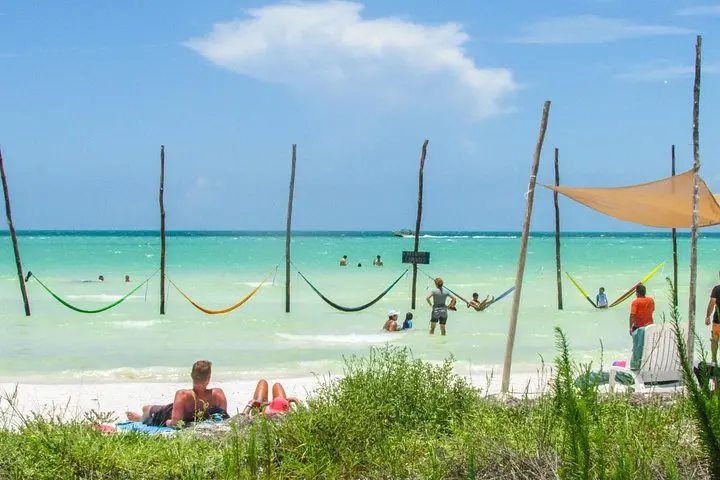
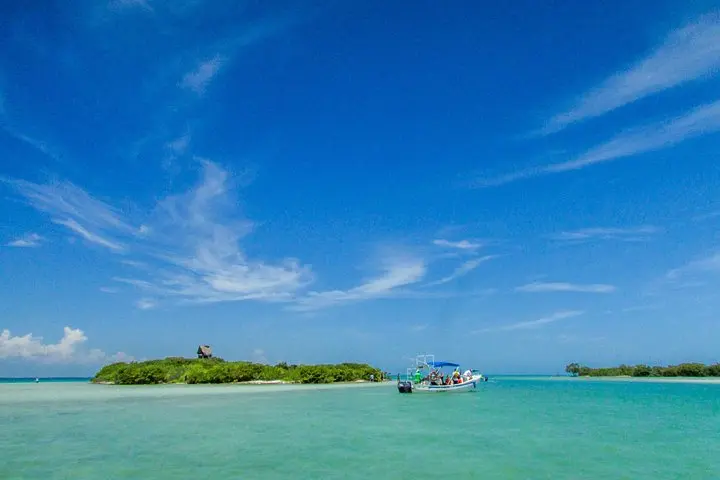
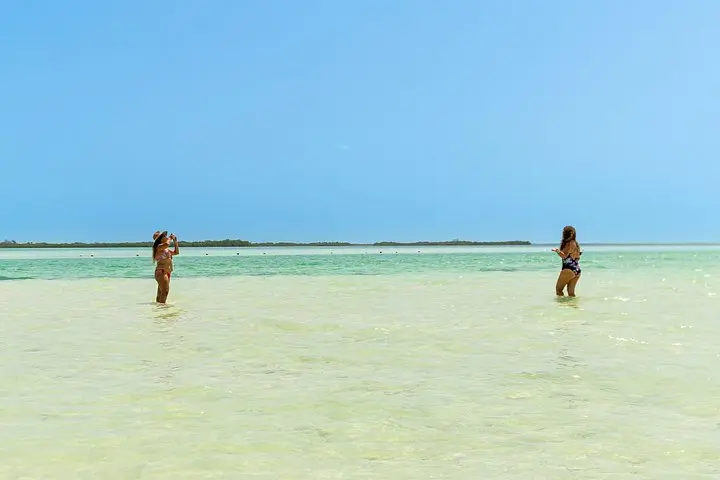
This is not a resort island itinerary so much as an ecological portrait. Punta Mosquito, the first stop, is a low spit of sand and tidal flats that demands a quiet step; the waves there are mild but insistent, tugging at ankles and kicking up translucent shoals. Passion Island (Isla de la Pasión) reads more like a bird observatory—rooks of terns, pelicans and, depending on season, roseate flamingos pick at the shallows. The tour’s longer beach stop gives time to walk out along the sandbar, swim in warm shallow water, or watch local fishermen mend nets and trade stories.
Holbox’s geology is simple and ancient—carbonate sands and limestone platforms formed by coral and shell over millennia. Culturally, the island remains a working fishing village with Mayan roots; the community’s rhythms are tied to tides and seasons rather than hotel check-ins. Conservation pressures have grown with tourism—guides now point out nesting zones and explain regulations around whale sharks and bird colonies.
Practicalities matter on this 12‑hour excursion. Expect a 2–2.5 hour bus transfer from Cancún to Chiquilá, a 20–30 minute ferry and boat hops between sandbars; total time on Holbox and nearby is about half the day. The operator provides lunch and non‑alcoholic drinks; bring cash for tips and small purchases. Wear reef‑safe sunscreen, a hat and water shoes—the sandbars can be hot and the shells sharp. Hydrate before boarding; the sun intensifies on the water and the island offers limited shade. Seas can be calm or choppy; those prone to motion sickness should plan accordingly.
Timing is the trip’s ally: early departures catch quieter beaches and more active birdlife, while late afternoon light turns the sand a soft, honeyed color. The trip is accessible to most travelers with moderate fitness—you’ll stand on boats, walk on loose sand and climb on and off small craft. For photographers, wide lenses and a telephoto for birds will cover most scenes.
In short, the Holbox day tour is less about beach club luxury and more about an intimate encounter with a low, wind-swept island where tides write the day's itinerary and wildlife still has room to breathe. It’s an efficient, practical window into one of Mexico’s gentler coastal worlds—use it to walk the sandbars, watch the birds, and leave the island a little better than you found it.
Expect roughly 2–2.5 hours by air‑conditioned vehicle to Chiquilá, followed by a 20–30 minute ferry and short boat hops to the sandbars and points of interest.
Yes—this tour includes a box lunch and a meal at a local Holbox restaurant, plus non‑alcoholic beverages.
Whale shark sightings are seasonal (typically May–September) and not guaranteed; this tour focuses on Punta Mosquito, Passion Island and beach time, not whale shark excursions.
Basic facilities are available at the island stop and on the ferry; expect limited options on sandbars and smaller boats.
Children must be accompanied by an adult; the operator advises it is not recommended for pregnant travelers or those with serious spinal issues.
Light, quick‑dry clothing, a hat, sunglasses and water shoes are recommended; bring a light layer for breezy boat rides.
The Tour Agency operates guided outdoor trips and adventures with an emphasis on safety, stewardship, and memorable experiences.
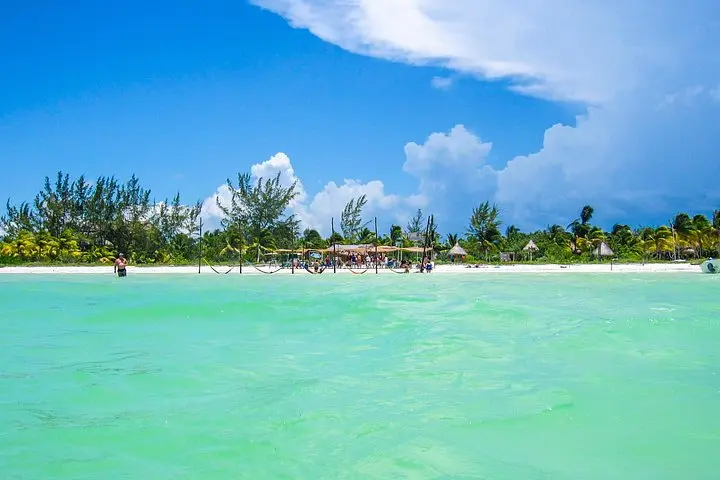
The day begins before sunrise on the highway north of Cancún, with a small convoy of travelers and a guide scanning the coast as the bus eats miles of mangrove and scrub. By the time the van pulls into Chiquilá, the sea is already working—glass-blue patches interrupted by pale sandbanks. A short ferry crosses the channel and Holbox appears like a bright, low island riding the Gulf of Mexico: broad beaches, shallow lagoons and birds that treat the shoreline like a runway.
The day begins before sunrise on the highway north of Cancún, with a small convoy of travelers and a guide scanning the coast as the bus eats miles of mangrove and scrub. By the time the van pulls into Chiquilá, the sea is already working—glass-blue patches interrupted by pale sandbanks. A short ferry crosses the channel and Holbox appears like a bright, low island riding the Gulf of Mexico: broad beaches, shallow lagoons and birds that treat the shoreline like a runway.
This is not a resort island itinerary so much as an ecological portrait. Punta Mosquito, the first stop, is a low spit of sand and tidal flats that demands a quiet step; the waves there are mild but insistent, tugging at ankles and kicking up translucent shoals. Passion Island (Isla de la Pasión) reads more like a bird observatory—rooks of terns, pelicans and, depending on season, roseate flamingos pick at the shallows. The tour’s longer beach stop gives time to walk out along the sandbar, swim in warm shallow water, or watch local fishermen mend nets and trade stories.
Holbox’s geology is simple and ancient—carbonate sands and limestone platforms formed by coral and shell over millennia. Culturally, the island remains a working fishing village with Mayan roots; the community’s rhythms are tied to tides and seasons rather than hotel check-ins. Conservation pressures have grown with tourism—guides now point out nesting zones and explain regulations around whale sharks and bird colonies.
Practicalities matter on this 12‑hour excursion. Expect a 2–2.5 hour bus transfer from Cancún to Chiquilá, a 20–30 minute ferry and boat hops between sandbars; total time on Holbox and nearby is about half the day. The operator provides lunch and non‑alcoholic drinks; bring cash for tips and small purchases. Wear reef‑safe sunscreen, a hat and water shoes—the sandbars can be hot and the shells sharp. Hydrate before boarding; the sun intensifies on the water and the island offers limited shade. Seas can be calm or choppy; those prone to motion sickness should plan accordingly.
Timing is the trip’s ally: early departures catch quieter beaches and more active birdlife, while late afternoon light turns the sand a soft, honeyed color. The trip is accessible to most travelers with moderate fitness—you’ll stand on boats, walk on loose sand and climb on and off small craft. For photographers, wide lenses and a telephoto for birds will cover most scenes.
In short, the Holbox day tour is less about beach club luxury and more about an intimate encounter with a low, wind-swept island where tides write the day's itinerary and wildlife still has room to breathe. It’s an efficient, practical window into one of Mexico’s gentler coastal worlds—use it to walk the sandbars, watch the birds, and leave the island a little better than you found it.