THE ADVENTURE COLLECTIVE® · Independent discovery and booking for outdoor travel

Escape Cancun for a full-day boat tour that pairs the freshwater calm of Yalahau cenote with the shallow turquoise shoals of Isla Pasion and the mirrored flats of Punta Mosquito. Expect swimming, birdlife, and a relaxed pace.
Escape Cancun for a full-day boat tour that pairs the freshwater calm of Yalahau cenote with the shallow turquoise shoals of Isla Pasion and the mirrored flats of Punta Mosquito. Expect swimming, birdlife, and a relaxed pace.
The day begins before dawn in Cancun: a rumble of minibuses, the sea-salt tang that sticks to your lips, and the quiet hum of engines as the road leans north toward Chiquilá. By the time the boat slips from the harbor, the coastline has receded to a pale line and the Gulf of Mexico spreads open, daring you toward a scatter of islands—Holbox, Isla Pasion and the shallow glass of Punta Mosquito.
Verified experiences and guided adventures in the surrounding area.
Operated by Stap Travel · Holbox (via Chiquilá), Quintana Roo
The day begins before dawn in Cancun: a rumble of minibuses, the sea-salt tang that sticks to your lips, and the quiet hum of engines as the road leans north toward Chiquilá. By the time the boat slips from the harbor, the coastline has receded to a pale line and the Gulf of Mexico spreads open, daring you toward a scatter of islands—Holbox, Isla Pasion and the shallow glass of Punta Mosquito.
Onboard, the water sets the pace. The crew points out mangrove fringes that knit the shore to the sea, and there’s an easy, practical rhythm to the day—swim, walk, eat, photograph. The first pause is Yalahau cenote: a freshwater spring shaded by jungle, its surface like a polished stone. Locals have long whispered about the cenote’s restorative properties; the Maya considered freshwater cenotes sacred, and Yalahau carries the lingering quiet of a site used for centuries as a source of life.
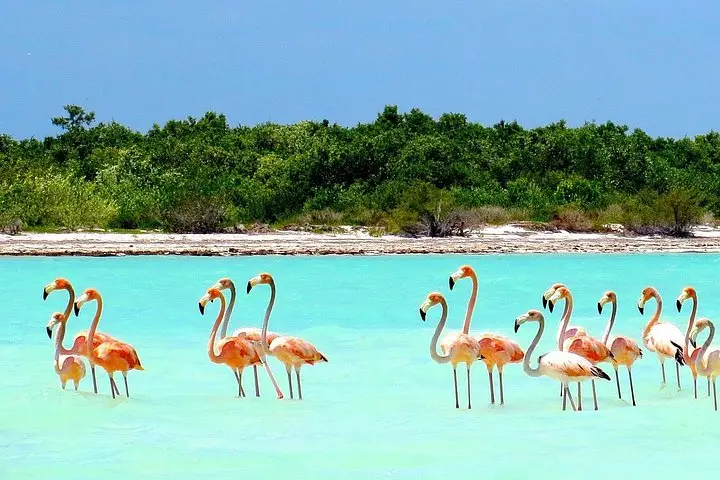
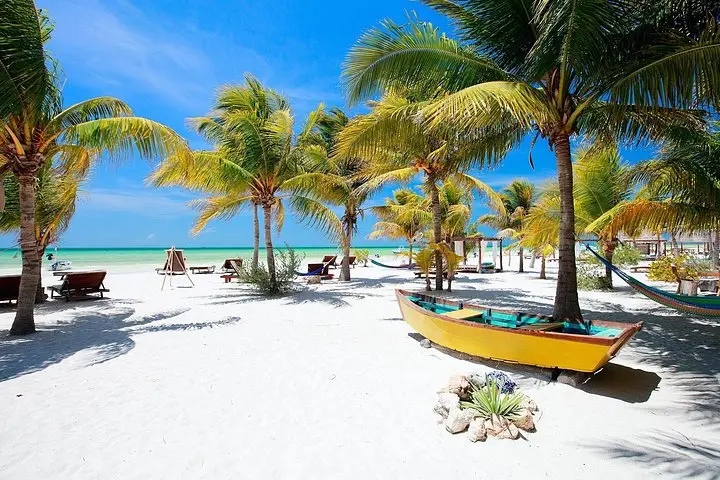
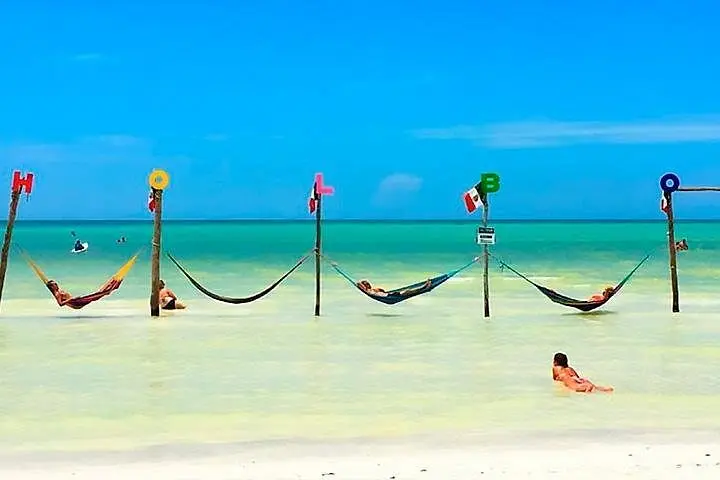
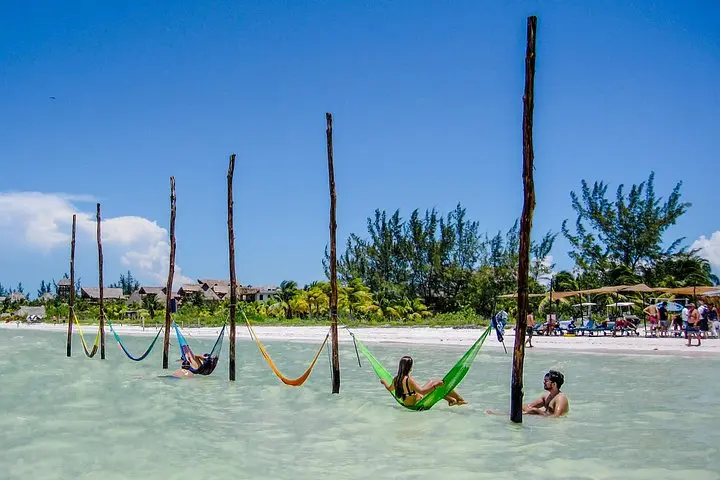
From geology to shore life, the landscape is the story: the Yucatán’s limestone bedrock filters rain into underground rivers and cenotes, while tidal flows sculpt the shoals around Isla Pasion into spines of white sand that protrude from turquoise shallows. Punta Mosquito, when the tide flattens the water, becomes a mirror—clouds reflected so perfectly it’s easy to feel weightless. Seabirds claim these stages: pelicans plunge, frigatebirds coast, and in season, flamingos color the flats a delicate pink.
Culturally, Holbox evolved from a fishing hamlet into a low-rise island community that resists overdevelopment. The town’s painted facades and unpaved streets are practical answers to salty air and shifting sands; vendors still sell ceviche and grilled fish the way their families did decades ago.
Practical guidance: the trip is long—expect a full 12-hour outing including round transportation. Bring biodegradable sunscreen and insect repellent, a swimsuit and quick-dry towel, and a small waterproof bag for cameras and phones. The walkable parts of Holbox are flat but sandy; bring sandals and a light pair of closed shoes if you plan to explore further. A modest preservation tax is collected on-site—have a few dollars in cash.
Timing matters: wake-up early for quieter beaches and better reflections at Punta Mosquito; late afternoon light softens the sand to butter. Hydrate between stops—the sun is generous here—and follow crew instructions on swimming and reef etiquette. For anyone who wants to step away from city noise and let the sea set the tempo for a day, this is a straightforward, sensory route into the quieter side of the Yucatán.
Expect about a 12-hour day including pickup, minibus transfer to Chiquilá, boat rides and stops on Holbox, Isla Pasion and the cenote.
Yes—Yalahau has shallow edges and life jackets are provided, but non-swimmers should remain near guides and use flotation.
Yes—pickup is scheduled by location; confirm your exact pickup point with the supplier after booking to receive the local pickup time.
A box lunch and a restaurant meal (one-dish choice) are included as described in the tour inclusions.
Children can join but the tour isn’t recommended for those with serious back or heart conditions; check age policies and supervise kids around water.
No—a small preservation tax (about USD 6) is collected locally and should be paid in cash.
Stap Travel operates guided outdoor trips and adventures with an emphasis on safety, stewardship, and memorable experiences.
The day begins before dawn in Cancun: a rumble of minibuses, the sea-salt tang that sticks to your lips, and the quiet hum of engines as the road leans north toward Chiquilá. By the time the boat slips from the harbor, the coastline has receded to a pale line and the Gulf of Mexico spreads open, daring you toward a scatter of islands—Holbox, Isla Pasion and the shallow glass of Punta Mosquito.
The day begins before dawn in Cancun: a rumble of minibuses, the sea-salt tang that sticks to your lips, and the quiet hum of engines as the road leans north toward Chiquilá. By the time the boat slips from the harbor, the coastline has receded to a pale line and the Gulf of Mexico spreads open, daring you toward a scatter of islands—Holbox, Isla Pasion and the shallow glass of Punta Mosquito.
Onboard, the water sets the pace. The crew points out mangrove fringes that knit the shore to the sea, and there’s an easy, practical rhythm to the day—swim, walk, eat, photograph. The first pause is Yalahau cenote: a freshwater spring shaded by jungle, its surface like a polished stone. Locals have long whispered about the cenote’s restorative properties; the Maya considered freshwater cenotes sacred, and Yalahau carries the lingering quiet of a site used for centuries as a source of life.
From geology to shore life, the landscape is the story: the Yucatán’s limestone bedrock filters rain into underground rivers and cenotes, while tidal flows sculpt the shoals around Isla Pasion into spines of white sand that protrude from turquoise shallows. Punta Mosquito, when the tide flattens the water, becomes a mirror—clouds reflected so perfectly it’s easy to feel weightless. Seabirds claim these stages: pelicans plunge, frigatebirds coast, and in season, flamingos color the flats a delicate pink.
Culturally, Holbox evolved from a fishing hamlet into a low-rise island community that resists overdevelopment. The town’s painted facades and unpaved streets are practical answers to salty air and shifting sands; vendors still sell ceviche and grilled fish the way their families did decades ago.
Practical guidance: the trip is long—expect a full 12-hour outing including round transportation. Bring biodegradable sunscreen and insect repellent, a swimsuit and quick-dry towel, and a small waterproof bag for cameras and phones. The walkable parts of Holbox are flat but sandy; bring sandals and a light pair of closed shoes if you plan to explore further. A modest preservation tax is collected on-site—have a few dollars in cash.
Timing matters: wake-up early for quieter beaches and better reflections at Punta Mosquito; late afternoon light softens the sand to butter. Hydrate between stops—the sun is generous here—and follow crew instructions on swimming and reef etiquette. For anyone who wants to step away from city noise and let the sea set the tempo for a day, this is a straightforward, sensory route into the quieter side of the Yucatán.