THE ADVENTURE COLLECTIVE® · Independent discovery and booking for outdoor travel

Board a ferry from Chiquilá and find an island where shallow turquoise water stretches to the horizon. This full-day Holbox tour mixes village time, a beachfront lunch under a palapa, and a golf-cart ride to the ethereal sands of Punta Mosquito.
Board a ferry from Chiquilá and find an island where shallow turquoise water stretches to the horizon. This full-day Holbox tour mixes village time, a beachfront lunch under a palapa, and a golf-cart ride to the ethereal sands of Punta Mosquito.
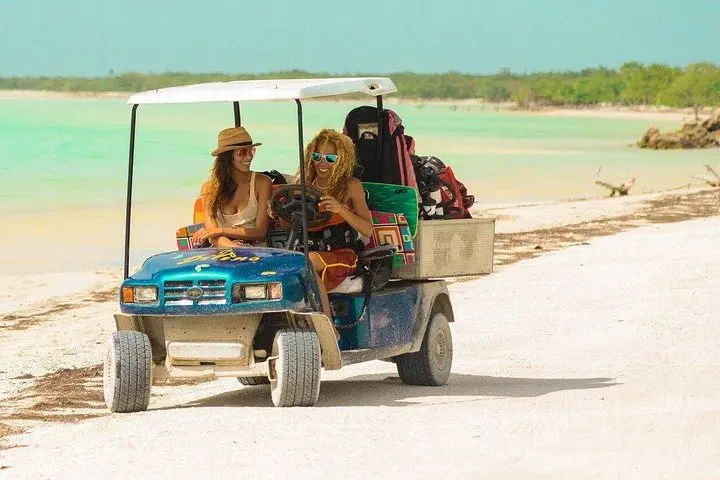
The ferry slips away from Chiquilá and the water opens like a sheet of glass—turquoise, shallow, and insistently bright. By the time the island appears, palms and painted facades stitch a low skyline. You step off the boat and the air itself seems to slow: the salt breeze tugs at your shirt, a chorus of shorebirds argues from the mangroves, and a golf cart idles like a smoking companion waiting to carry you down sandy lanes.
Verified experiences and guided adventures in the surrounding area.
Operated by Pata de peek travel · Holbox, Quintana Roo
The ferry slips away from Chiquilá and the water opens like a sheet of glass—turquoise, shallow, and insistently bright. By the time the island appears, palms and painted facades stitch a low skyline. You step off the boat and the air itself seems to slow: the salt breeze tugs at your shirt, a chorus of shorebirds argues from the mangroves, and a golf cart idles like a smoking companion waiting to carry you down sandy lanes.
Holbox sits at the edge of the Yum Balam reserve, a protected sweep of barrier islands, mangroves, and sandbars born from collapsed karst and millennia of sediment. The island’s pale sand is limestone-born and its waters are shallow for miles—perfect habitat for flamingos, juvenile fish, and the seasonal visitations of whale sharks offshore. The town is small and local: fishing boats, painted murals, and wooden palapas where ceviche and beer are served with equal ceremony.
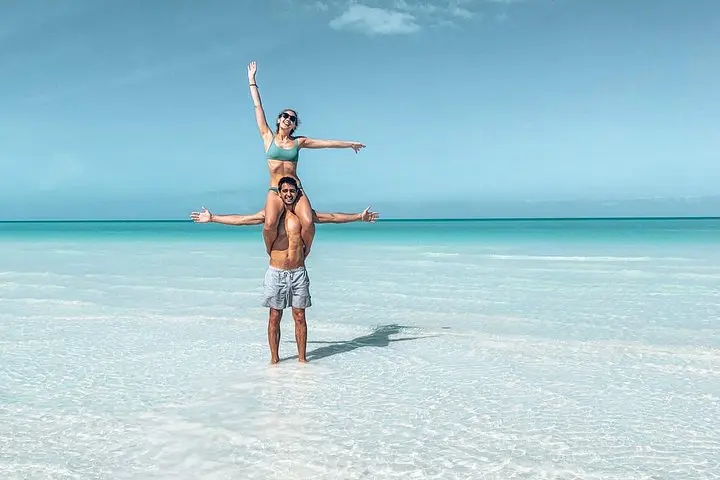
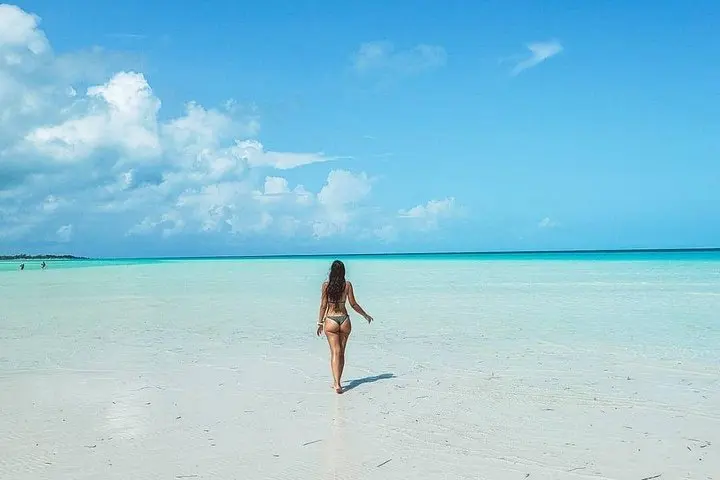
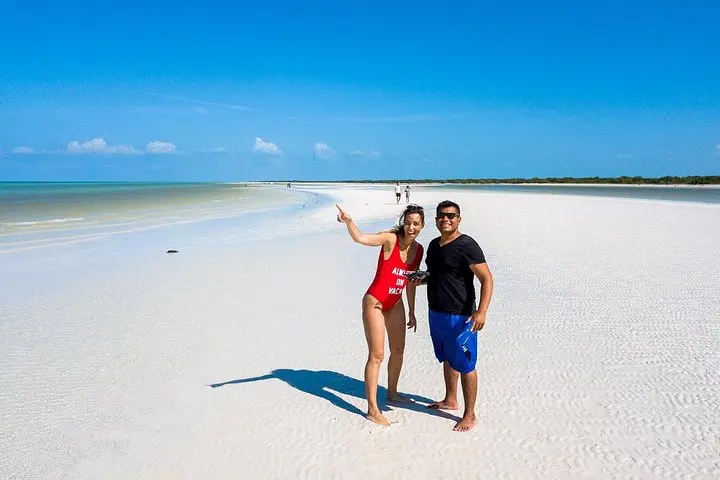
The tour stitches together two rhythms: easy village time—bike or golf cart through streets lined with artisan shops—and open-coast solitude. Punta Mosquito is the showpiece: a long, low spit where water is knee-to-waist deep and reflects the sky so completely it feels like walking on a mirror. Here the sea dares you to wade, to leave footprints where tides will erase them, and to watch pelicans wheel against an endless horizon.
Culturally, Holbox is shaped by fishing and conservation. Locals balance livelihoods with the island’s protected status—fishing methods are selective, and the community advocates for controlled tourism to preserve breeding grounds for birds and turtles. Practically, expect a full day: pickups from Playa del Carmen or Tulum, a roughly 20–30 minute ferry crossing from Chiquilá, then hours of soft sand, short rides in shared golf carts, and time to eat under a palapa.
What makes this trip work is the mix of easy mobility and intentional restraint: no high cliffs, no big climbs—only flat, fragrant coastline and the constant presence of water. Plan for heat and sun; bring refillable water, biodegradable sunscreen, and a dry bag for cameras. If you want the best light and fewer people, aim for early departures or late afternoons in low season. Note logistics: golf carts require three people to avoid an extra fee, a small marine tax applies at the port, and the route can extend beyond 12 hours when traffic or transfers are busy.
For travelers craving a day that feels like both a slow postcard and an active exploration, this Holbox loop—village lanes, a beachfront lunch, and the surreal sands of Punta Mosquito—delivers. It’s accessible, sensory, and quietly wild: a salt-scrubbed snapshot of the Yucatán’s coastal edge.
The ferry crossing typically takes 20–30 minutes depending on conditions and the vessel.
Golf cart rental is included but usually shared; a cart requires three people to avoid an extra private-use fee—confirm onsite if you want a private cart.
Yes—routes are flat and activities are low-impact, but it’s not recommended for travelers with serious spinal, heart, or mobility issues; discuss needs at booking.
The tour provides a lunch and one beverage; bring cash for extra drinks or snacks and a swimsuit, towel, and sun protection.
No—the small marine tax (around USD 6 per person) is typically paid on site at the port.
Walking is optional—you can wade and stroll on soft sand and shallow flats; distances are short but surfaces are uneven and sandy.
Pata de peek travel operates guided outdoor trips and adventures with an emphasis on safety, stewardship, and memorable experiences.
The ferry slips away from Chiquilá and the water opens like a sheet of glass—turquoise, shallow, and insistently bright. By the time the island appears, palms and painted facades stitch a low skyline. You step off the boat and the air itself seems to slow: the salt breeze tugs at your shirt, a chorus of shorebirds argues from the mangroves, and a golf cart idles like a smoking companion waiting to carry you down sandy lanes.
The ferry slips away from Chiquilá and the water opens like a sheet of glass—turquoise, shallow, and insistently bright. By the time the island appears, palms and painted facades stitch a low skyline. You step off the boat and the air itself seems to slow: the salt breeze tugs at your shirt, a chorus of shorebirds argues from the mangroves, and a golf cart idles like a smoking companion waiting to carry you down sandy lanes.
Holbox sits at the edge of the Yum Balam reserve, a protected sweep of barrier islands, mangroves, and sandbars born from collapsed karst and millennia of sediment. The island’s pale sand is limestone-born and its waters are shallow for miles—perfect habitat for flamingos, juvenile fish, and the seasonal visitations of whale sharks offshore. The town is small and local: fishing boats, painted murals, and wooden palapas where ceviche and beer are served with equal ceremony.
The tour stitches together two rhythms: easy village time—bike or golf cart through streets lined with artisan shops—and open-coast solitude. Punta Mosquito is the showpiece: a long, low spit where water is knee-to-waist deep and reflects the sky so completely it feels like walking on a mirror. Here the sea dares you to wade, to leave footprints where tides will erase them, and to watch pelicans wheel against an endless horizon.
Culturally, Holbox is shaped by fishing and conservation. Locals balance livelihoods with the island’s protected status—fishing methods are selective, and the community advocates for controlled tourism to preserve breeding grounds for birds and turtles. Practically, expect a full day: pickups from Playa del Carmen or Tulum, a roughly 20–30 minute ferry crossing from Chiquilá, then hours of soft sand, short rides in shared golf carts, and time to eat under a palapa.
What makes this trip work is the mix of easy mobility and intentional restraint: no high cliffs, no big climbs—only flat, fragrant coastline and the constant presence of water. Plan for heat and sun; bring refillable water, biodegradable sunscreen, and a dry bag for cameras. If you want the best light and fewer people, aim for early departures or late afternoons in low season. Note logistics: golf carts require three people to avoid an extra fee, a small marine tax applies at the port, and the route can extend beyond 12 hours when traffic or transfers are busy.
For travelers craving a day that feels like both a slow postcard and an active exploration, this Holbox loop—village lanes, a beachfront lunch, and the surreal sands of Punta Mosquito—delivers. It’s accessible, sensory, and quietly wild: a salt-scrubbed snapshot of the Yucatán’s coastal edge.