THE ADVENTURE COLLECTIVE® · Independent discovery and booking for outdoor travel

Explore Belfast on foot with a local gardener-guide: Queen’s University, the Ulster Museum, historic Botanic Gardens and the Linen Quarter. A three-hour, small-group walk that blends plant lore, civic history and hidden architectural details.
Explore Belfast on foot with a local gardener-guide: Queen’s University, the Ulster Museum, historic Botanic Gardens and the Linen Quarter. A three-hour, small-group walk that blends plant lore, civic history and hidden architectural details.
You step off the tram and into a city that wears its history on stone and glass: cobbled lanes give way to broad civic squares, and a line of plane trees leans over the path as if pointing the way.
Verified experiences and guided adventures in the surrounding area.
Operated by belfastology walking tours · Belfast, Northern Ireland
You step off the tram and into a city that wears its history on stone and glass: cobbled lanes give way to broad civic squares, and a line of plane trees leans over the path as if pointing the way.
This three-hour guided walk moves from Queen’s University through the Ulster Museum into the 19th-century Botanic Gardens, past the Palm House and Tropical Ravine, then threads into the Linen Quarter before finishing on the lawns of City Hall. The route lets the city narrate itself: Georgian and Victorian architecture mark Belfast’s rise as an industrial hub driven by shipbuilding and linen, while museum exhibits and memorials recall the Troubles and the city’s recent renewal.
Geologically modest but culturally layered, the area sits on glacially scoured tills over Carboniferous sandstone—stone façades that frame plazas and alleys. Botanically, the gardens host plant introductions from the 1830s onward, species that quietly narrate global trade networks and Victorian collecting habits.
Locals prize the Palm House for its glass engineering and the Linen Quarter’s tucked-away courtyards, cafes, and murals. Expect conversational guides who combine horticulture, social history, and architecture with practical advice on getting around.
Practicalities: the walk covers mostly paved city paths and easy park trails—comfortable walking shoes and a light waterproof are wise. Public transport links are nearby and the tour is small-group, usually capped at eight. Plan for variable weather, bring a refillable bottle, and allow time after the tour to explore museum exhibits or the cafe culture in the Linen Quarter.
Admission to the Ulster Museum isn’t included; the guide will point out highlights and suggest exhibits to visit after the tour.
Yes—paths in the Botanic Gardens and much of the city route are pram/stroller accessible, though some cobbles and steps near heritage buildings may require a short detour.
The tour involves three hours of walking on mostly flat terrain; those with significant mobility limitations should contact the operator to discuss accommodations.
The walk typically starts near Queen’s University/Ulster Museum and finishes on the grounds of Belfast City Hall—both points are well-served by public transport.
belfastology walking tours operates guided outdoor trips and adventures with an emphasis on safety, stewardship, and memorable experiences.
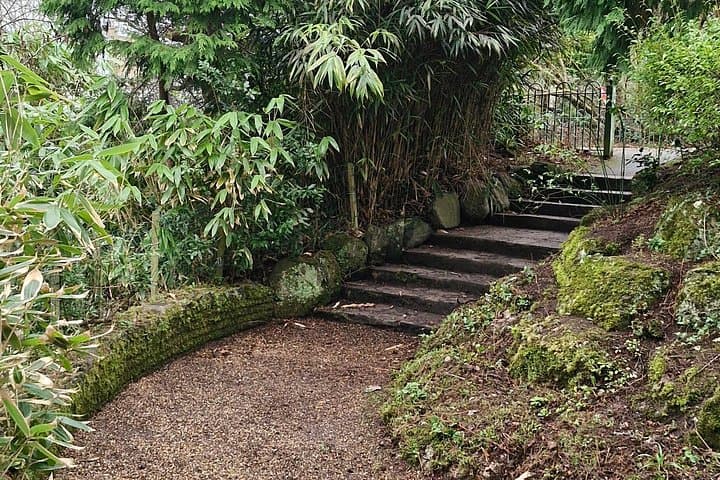
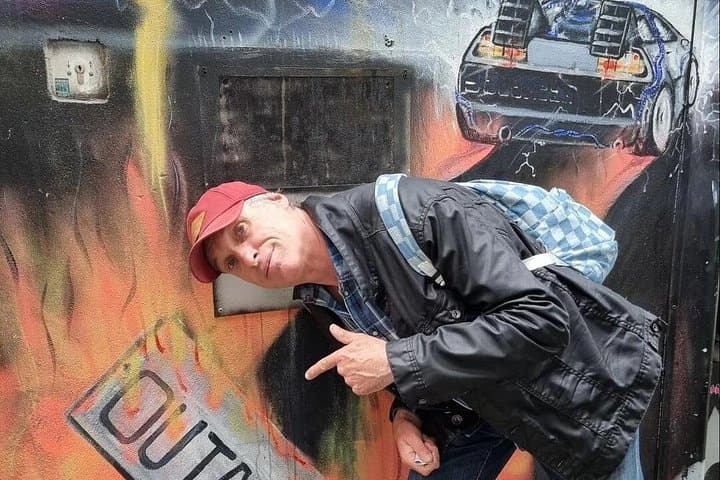

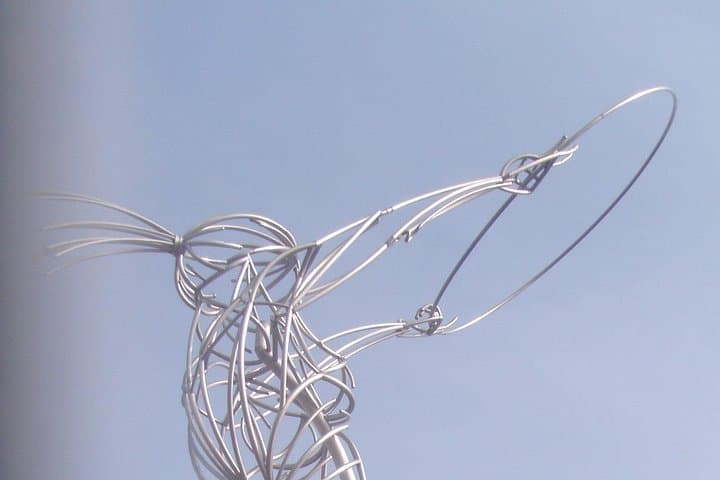
You step off the tram and into a city that wears its history on stone and glass: cobbled lanes give way to broad civic squares, and a line of plane trees leans over the path as if pointing the way.
You step off the tram and into a city that wears its history on stone and glass: cobbled lanes give way to broad civic squares, and a line of plane trees leans over the path as if pointing the way.
This three-hour guided walk moves from Queen’s University through the Ulster Museum into the 19th-century Botanic Gardens, past the Palm House and Tropical Ravine, then threads into the Linen Quarter before finishing on the lawns of City Hall. The route lets the city narrate itself: Georgian and Victorian architecture mark Belfast’s rise as an industrial hub driven by shipbuilding and linen, while museum exhibits and memorials recall the Troubles and the city’s recent renewal.
Geologically modest but culturally layered, the area sits on glacially scoured tills over Carboniferous sandstone—stone façades that frame plazas and alleys. Botanically, the gardens host plant introductions from the 1830s onward, species that quietly narrate global trade networks and Victorian collecting habits.
Locals prize the Palm House for its glass engineering and the Linen Quarter’s tucked-away courtyards, cafes, and murals. Expect conversational guides who combine horticulture, social history, and architecture with practical advice on getting around.
Practicalities: the walk covers mostly paved city paths and easy park trails—comfortable walking shoes and a light waterproof are wise. Public transport links are nearby and the tour is small-group, usually capped at eight. Plan for variable weather, bring a refillable bottle, and allow time after the tour to explore museum exhibits or the cafe culture in the Linen Quarter.