THE ADVENTURE COLLECTIVE® · Independent discovery and booking for outdoor travel

Spend days moving between rice paddies, lagoons and rocky uplands in the Ebro Delta. This guided immersion combines field classrooms, birdwatching and local gastronomy to show how agriculture and nature shape les Terres de l'Ebre.
Spend days moving between rice paddies, lagoons and rocky uplands in the Ebro Delta. This guided immersion combines field classrooms, birdwatching and local gastronomy to show how agriculture and nature shape les Terres de l'Ebre.
You arrive where river meets sea and the landscape keeps changing color under a low Catalan light: shallow lagoons pulse with wading birds, rice paddies reflect the sky, and the Ebro flows with a quiet insistence that seems to dare you to pay attention.
Verified experiences and guided adventures in the surrounding area.
Operated by Asociación Wildlife Spain · Deltebre, Tarragona
You arrive where river meets sea and the landscape keeps changing color under a low Catalan light: shallow lagoons pulse with wading birds, rice paddies reflect the sky, and the Ebro flows with a quiet insistence that seems to dare you to pay attention.
This guided immersion with Plegadis Foundation moves through deltaic marshes, irrigation systems and coastal sandbars while tracing the region's agricultural story—rice fields that shape habitat and cuisine alike. Geologically the delta is young sediment deposited by the Ebro; you’ll notice soft, flat terrain punctuated by dunes and reedbeds, and a quick inland climb to Els Ports’ limestone ridgelines where rock-dwelling species like the Pyrenean ibex find refuge.
Culturally the area blends fishing villages, rice farming, and olive and almond groves, producing distinctive oils, wines and rice-based dishes. Local centers offer tastings and short facility visits that connect landscape to plate.
Practical guidance: plan light, layered clothing for wind and sun, bring binoculars for birdlife and a waterproof bag for field notes. Respect seasonal restrictions around breeding areas and keep to marked paths—the delta's soils and canals are productive but fragile. The full program spans multiple days of walks, classroom sessions and site visits; expect easy terrain but long stretches on soft ground and roadside shoulders.
Timing matters: golden light and low tide amplify bird activity; mid-summer can be hot and still; spring and autumn bring migration and richer colors. Leave no trace, support local producers, and let the landscape teach you its slow rhythms.
The listed itinerary spans multiple days (approximately three days), combining field visits, classroom sessions and short excursions around the delta.
Yes—terrain is generally flat and the program is described as suitable for all fitness levels, though participants should be prepared for long periods of standing and walking on soft ground.
The program notes the guide is not licensed or certified; it is organized by the Plegadis Foundation and focuses on education and managed-area visits.
Spring and autumn migration bring the greatest diversity; winter hosts large overwintering flocks and summer is best for species tied to breeding habitats and saltpans.
Asociación Wildlife Spain operates guided outdoor trips and adventures with an emphasis on safety, stewardship, and memorable experiences.
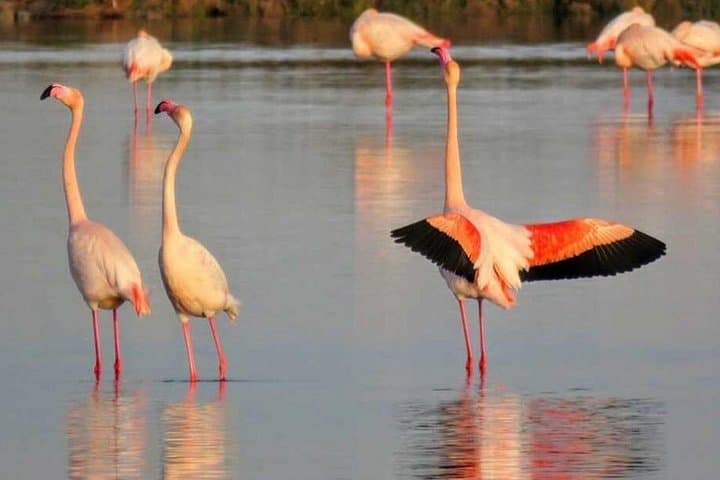
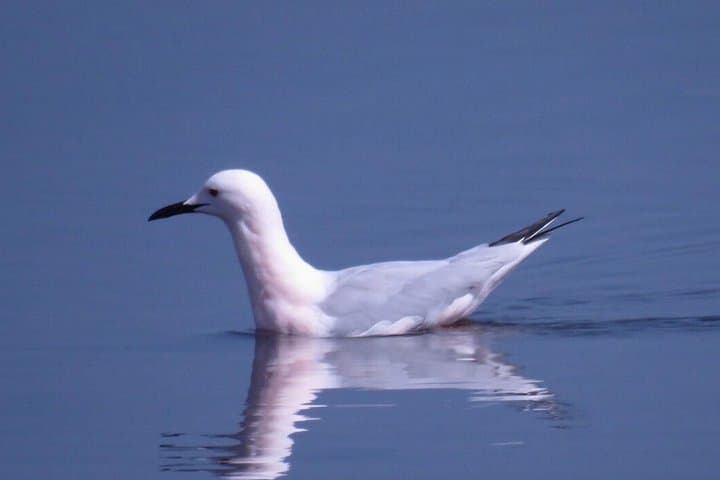
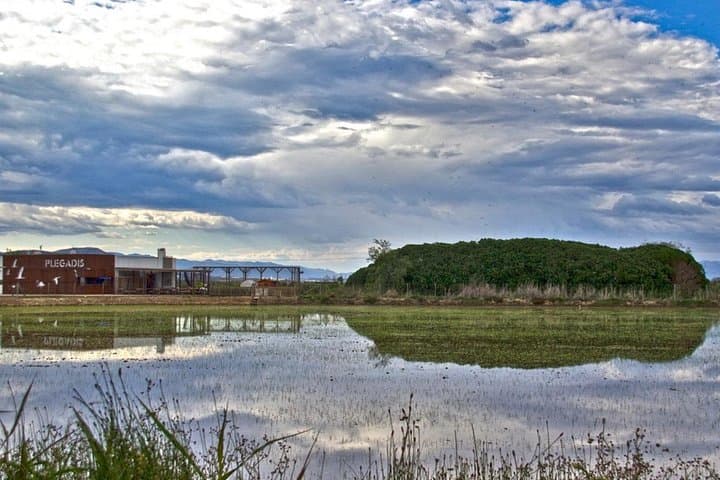
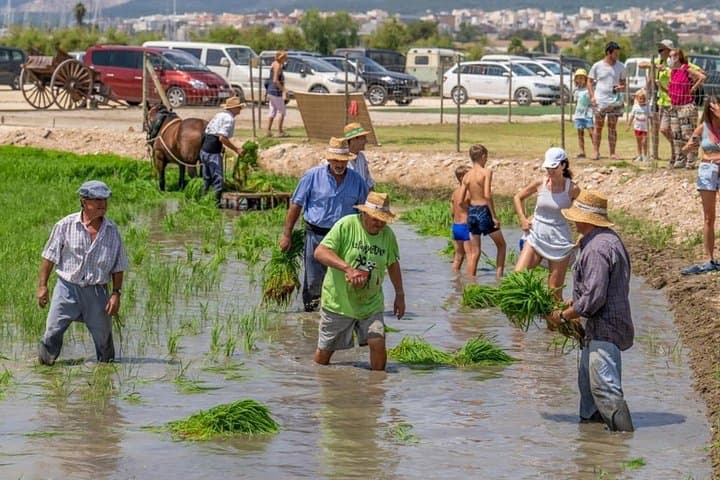
You arrive where river meets sea and the landscape keeps changing color under a low Catalan light: shallow lagoons pulse with wading birds, rice paddies reflect the sky, and the Ebro flows with a quiet insistence that seems to dare you to pay attention.
You arrive where river meets sea and the landscape keeps changing color under a low Catalan light: shallow lagoons pulse with wading birds, rice paddies reflect the sky, and the Ebro flows with a quiet insistence that seems to dare you to pay attention.
This guided immersion with Plegadis Foundation moves through deltaic marshes, irrigation systems and coastal sandbars while tracing the region's agricultural story—rice fields that shape habitat and cuisine alike. Geologically the delta is young sediment deposited by the Ebro; you’ll notice soft, flat terrain punctuated by dunes and reedbeds, and a quick inland climb to Els Ports’ limestone ridgelines where rock-dwelling species like the Pyrenean ibex find refuge.
Culturally the area blends fishing villages, rice farming, and olive and almond groves, producing distinctive oils, wines and rice-based dishes. Local centers offer tastings and short facility visits that connect landscape to plate.
Practical guidance: plan light, layered clothing for wind and sun, bring binoculars for birdlife and a waterproof bag for field notes. Respect seasonal restrictions around breeding areas and keep to marked paths—the delta's soils and canals are productive but fragile. The full program spans multiple days of walks, classroom sessions and site visits; expect easy terrain but long stretches on soft ground and roadside shoulders.
Timing matters: golden light and low tide amplify bird activity; mid-summer can be hot and still; spring and autumn bring migration and richer colors. Leave no trace, support local producers, and let the landscape teach you its slow rhythms.