THE ADVENTURE COLLECTIVE® · Independent discovery and booking for outdoor travel

Walk Hollywood Boulevard with a guide who pairs showbiz trivia with the darker events that shaped it. This 45–60 minute urban walk connects famous sites, crime scenes and memorials with clear context and accessible routes.
Walk Hollywood Boulevard with a guide who pairs showbiz trivia with the darker events that shaped it. This 45–60 minute urban walk connects famous sites, crime scenes and memorials with clear context and accessible routes.
A cool night on Hollywood Boulevard makes the neon and palm shadows feel like accomplices as the group gathers at a famous handprint outside the TCL Chinese Theatre. The guide—black shirt, skull motif—pulls stories from the pavement: a room that never changed after a famous death, an old hotel that staged the first Academy Awards, and corners where headlines were written in sirens and late-night press.
Verified experiences and guided adventures in the surrounding area.
Operated by Hollywood Walk Of Death · Hollywood, CA
A cool night on Hollywood Boulevard makes the neon and palm shadows feel like accomplices as the group gathers at a famous handprint outside the TCL Chinese Theatre. The guide—black shirt, skull motif—pulls stories from the pavement: a room that never changed after a famous death, an old hotel that staged the first Academy Awards, and corners where headlines were written in sirens and late-night press.
The route threads the Walk of Fame and adjacent blocks that document Hollywood’s 20th-century boom and its darker aftermath. Geologically the ground is urban alluvium laid over the basin; architecturally the buildings show 1920s Spanish Revival, Streamline Moderne, and mid-century renovations that witnessed the city’s changing fortunes. Culturally this area is where celebrity image, crime reporting and public mourning collided—cemeteries, hotels and theaters became part of the entertainment ecosystem and, sometimes, its tragic footnotes.
Expect 45–60 minutes of mostly flat sidewalk walking with multiple 5–10 minute stops and storytelling at façades, plaques and viewpoints. Guides explain context—police paperwork, press cycles and fan rituals—while noting which sites are public and which are private properties viewed from outside. Bring comfortable shoes, a charged phone for photos and transit apps, and an awareness that these stories involve real people and active memorials.
Practical tip: start early evening to avoid midday heat and crowds; keep to crosswalks and follow your guide. The tour is compact, accessible and heavy on narrative—ideal for history-minded travelers who want the grit behind Hollywood gloss.
Yes—the route uses sidewalks and curb cuts; guides note the accessible path and meet at a ground-level location by the handprints.
Absolutely—photography is welcome, but be mindful at memorials and private property where close access isn’t permitted.
Yes—strollers are fine; content includes true crime stories so parental discretion for young children is advised.
Tours run rain or shine; cancelation policies allow refunds up to 24 hours before the start if you need to change plans.
Hollywood Walk Of Death operates guided outdoor trips and adventures with an emphasis on safety, stewardship, and memorable experiences.
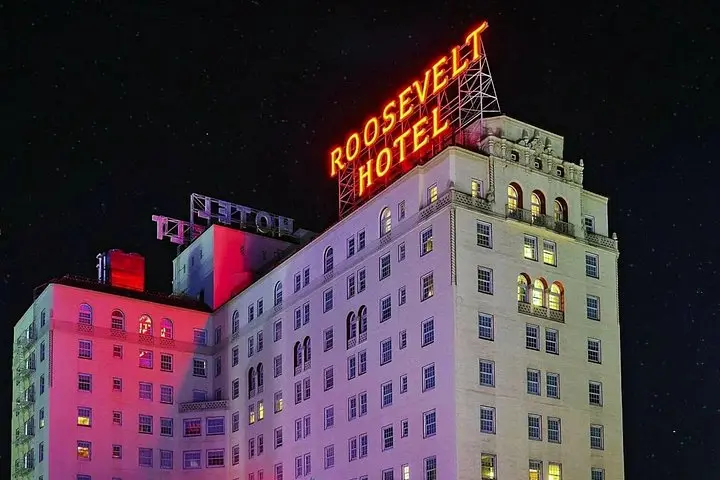
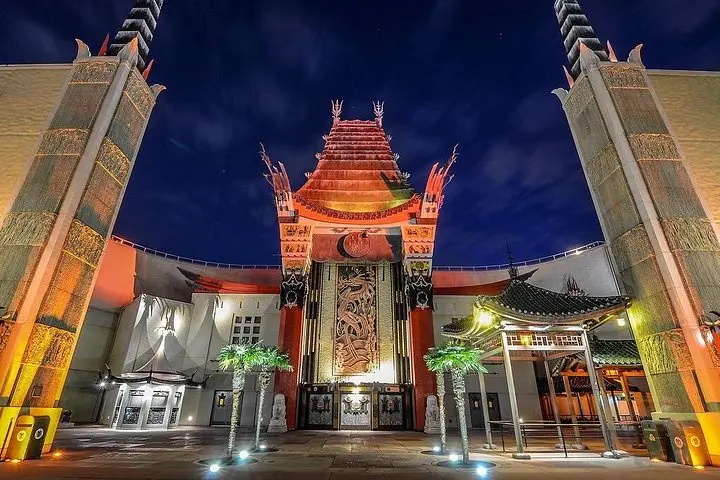

A cool night on Hollywood Boulevard makes the neon and palm shadows feel like accomplices as the group gathers at a famous handprint outside the TCL Chinese Theatre. The guide—black shirt, skull motif—pulls stories from the pavement: a room that never changed after a famous death, an old hotel that staged the first Academy Awards, and corners where headlines were written in sirens and late-night press.
A cool night on Hollywood Boulevard makes the neon and palm shadows feel like accomplices as the group gathers at a famous handprint outside the TCL Chinese Theatre. The guide—black shirt, skull motif—pulls stories from the pavement: a room that never changed after a famous death, an old hotel that staged the first Academy Awards, and corners where headlines were written in sirens and late-night press.
The route threads the Walk of Fame and adjacent blocks that document Hollywood’s 20th-century boom and its darker aftermath. Geologically the ground is urban alluvium laid over the basin; architecturally the buildings show 1920s Spanish Revival, Streamline Moderne, and mid-century renovations that witnessed the city’s changing fortunes. Culturally this area is where celebrity image, crime reporting and public mourning collided—cemeteries, hotels and theaters became part of the entertainment ecosystem and, sometimes, its tragic footnotes.
Expect 45–60 minutes of mostly flat sidewalk walking with multiple 5–10 minute stops and storytelling at façades, plaques and viewpoints. Guides explain context—police paperwork, press cycles and fan rituals—while noting which sites are public and which are private properties viewed from outside. Bring comfortable shoes, a charged phone for photos and transit apps, and an awareness that these stories involve real people and active memorials.
Practical tip: start early evening to avoid midday heat and crowds; keep to crosswalks and follow your guide. The tour is compact, accessible and heavy on narrative—ideal for history-minded travelers who want the grit behind Hollywood gloss.