
Honey Bee Adventure at Maui Honey Bee Sanctuary: Upcountry Bee Tour & Hive Experience
Step into the warm hum of an upcountry Maui apiary. This 90-minute guided experience pairs an educational talk with a hands-on hive inspection, honey tasting and practical insight into beekeeping on Haleakalā’s slopes.
An Adventure In Kihei.
Step into the warm hum of an upcountry Maui apiary. This 90-minute guided experience pairs an educational talk with a hands-on hive inspection, honey tasting and practical insight into beekeeping on Haleakalā’s slopes.
Read the full experience
On a clear upcountry morning the air smells faintly of salt and dry grasses while a low, constant hum rises from acres of organized activity — the bees. Visitors approach a compact farmstand and a small teaching pavilion where the keeper lays out jars of honey and a simple map of the apiary before suits are handed out.
On a clear upcountry morning the air smells faintly of salt and dry grasses while a low, constant hum rises from acres of organized activity — the bees. Visitors approach a compact farmstand and a small teaching pavilion where the keeper lays out jars of honey and a simple map of the apiary before suits are handed out.
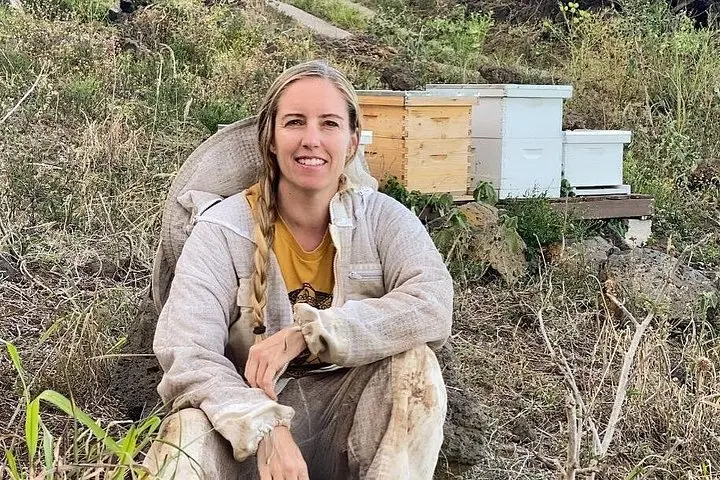
Maui’s beekeeping sits at the intersection of Polynesian agricultural practice and modern conservation. The sanctuary occupies volcanic soils on Haleakalā’s lower slopes, where elevation and consistent trade winds shape floral calendars and honey flavors. Erica, the beekeeper, guides guests through hive anatomy, colony roles and the pollination links that sustain local crops and native plants.
The geology — old lava flows weathered into red cinder soils — gives the land a spare, wind-polished quality. Cultural threads surface in talk of native flowering shrubs and ranching history in the area; beekeeping here is both livelihood and stewardship.
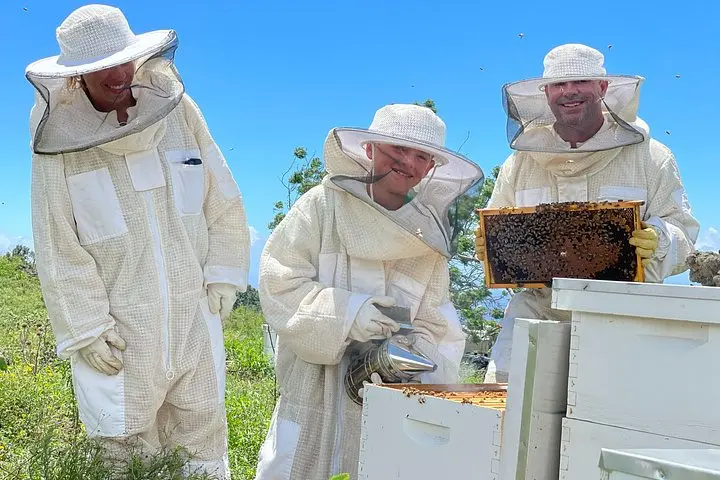
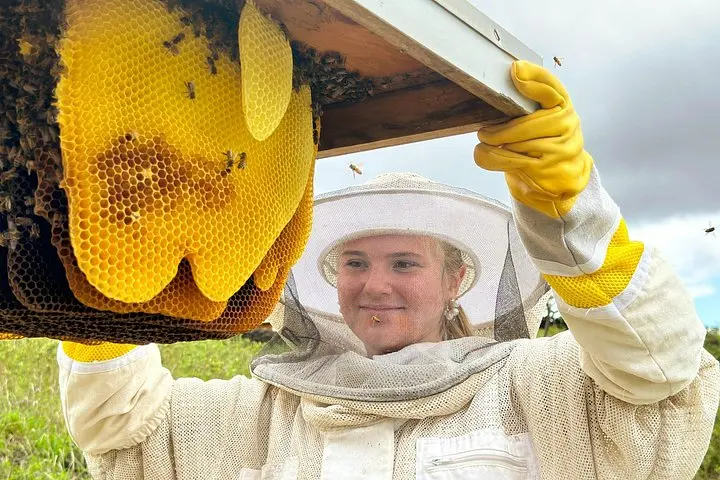
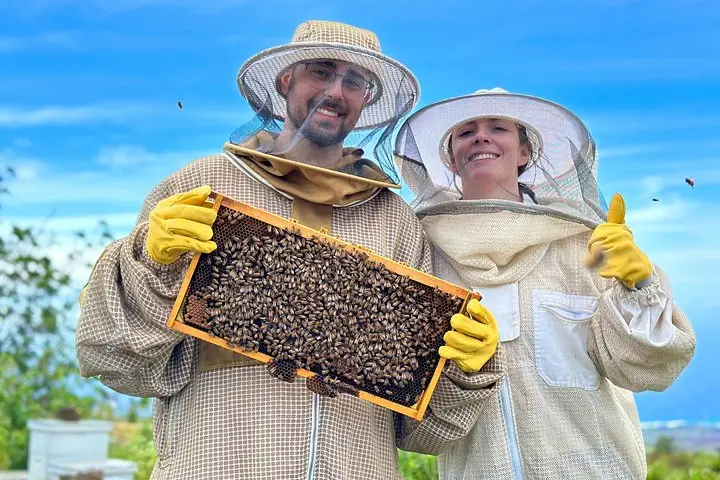
Practical experience follows: guests don protective suits, peer into live frames and taste varietal honeys at the farmstand. The tour is hands-on but paced for families; it emphasizes safety around stings and the ecological importance of Apis mellifera and other pollinators.
For travelers planning the visit: allow 90 minutes, bring closed-toe shoes and long light socks, and expect mild winds and strong sun. Listen closely during the hive inspection — the colony’s steady work is both the lesson and the lure. This is an accessible, small-group encounter that links observation, education and a tangible taste of place.
Frequently asked questions
Yes — the experience is family-friendly; children should be supervised and anyone with severe bee allergies should not participate.
Stings are uncommon on guided tours when participants follow instructions and wear provided protective gear, but a small risk remains.
The program runs approximately 90 minutes and includes an educational talk, hive viewing, and honey tasting at the farmstand.
Yes — the sanctuary offers honey, beeswax candles and personal care items made from the hive at the farmstand after the tour.
About This Experience
Maui Honey Bee Sanctuary operates guided outdoor trips and adventures with an emphasis on safety, stewardship, and memorable experiences.
Adventure tips
Recommended gear
- Closed-toe hiking shoes: Protects feet on uneven, sometimes dusty farm paths.
- Long light-colored socks: Worn under the provided beesuit to reduce sting risk and meet operator requests.
- Sun hat and sunglasses: Shields face from strong upcountry sun during outdoor portions.
- Camera or phone with zoom: Capture close-up hive details and panoramic ocean views without disturbing the bees.
Photos of the experience
Related adventures & guides
Read the full experience
On a clear upcountry morning the air smells faintly of salt and dry grasses while a low, constant hum rises from acres of organized activity — the bees. Visitors approach a compact farmstand and a small teaching pavilion where the keeper lays out jars of honey and a simple map of the apiary before suits are handed out.
On a clear upcountry morning the air smells faintly of salt and dry grasses while a low, constant hum rises from acres of organized activity — the bees. Visitors approach a compact farmstand and a small teaching pavilion where the keeper lays out jars of honey and a simple map of the apiary before suits are handed out.
Maui’s beekeeping sits at the intersection of Polynesian agricultural practice and modern conservation. The sanctuary occupies volcanic soils on Haleakalā’s lower slopes, where elevation and consistent trade winds shape floral calendars and honey flavors. Erica, the beekeeper, guides guests through hive anatomy, colony roles and the pollination links that sustain local crops and native plants.
The geology — old lava flows weathered into red cinder soils — gives the land a spare, wind-polished quality. Cultural threads surface in talk of native flowering shrubs and ranching history in the area; beekeeping here is both livelihood and stewardship.
Practical experience follows: guests don protective suits, peer into live frames and taste varietal honeys at the farmstand. The tour is hands-on but paced for families; it emphasizes safety around stings and the ecological importance of Apis mellifera and other pollinators.
For travelers planning the visit: allow 90 minutes, bring closed-toe shoes and long light socks, and expect mild winds and strong sun. Listen closely during the hive inspection — the colony’s steady work is both the lesson and the lure. This is an accessible, small-group encounter that links observation, education and a tangible taste of place.
Make a day of it nearby.
Verified experiences and guided adventures in the surrounding area.