THE ADVENTURE COLLECTIVE® · Independent discovery and booking for outdoor travel

Drive from Honfleur to the Canadian D‑Day sector for a private, 9‑hour tour of Juno Beach, the Juno Beach Centre, and the Canadian War Cemetery. This guided trip combines seaside terrain, wartime history, and quiet memorial landscapes with convenient private transport.
Drive from Honfleur to the Canadian D‑Day sector for a private, 9‑hour tour of Juno Beach, the Juno Beach Centre, and the Canadian War Cemetery. This guided trip combines seaside terrain, wartime history, and quiet memorial landscapes with convenient private transport.
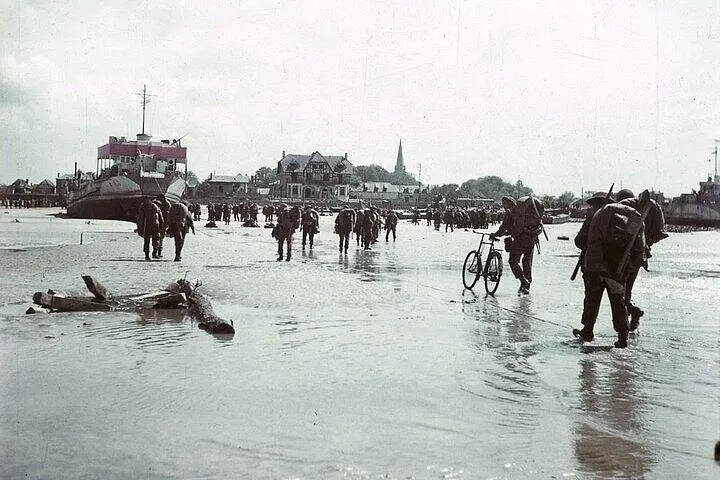
A cold North Sea wind pulls at your jacket as the minivan eases away from Honfleur’s cobbled quay, and the flat Normandy coastline opens like an old map. Within an hour and a half you arrive at pale sand and low dunes where veterans and visitors still leave poppies and notes—this is Juno Beach, where Canadian forces first hit shore on D‑Day.
Verified experiences and guided adventures in the surrounding area.
Operated by Normandy Private Tours · Honfleur, Calvados
A cold North Sea wind pulls at your jacket as the minivan eases away from Honfleur’s cobbled quay, and the flat Normandy coastline opens like an old map. Within an hour and a half you arrive at pale sand and low dunes where veterans and visitors still leave poppies and notes—this is Juno Beach, where Canadian forces first hit shore on D‑Day.
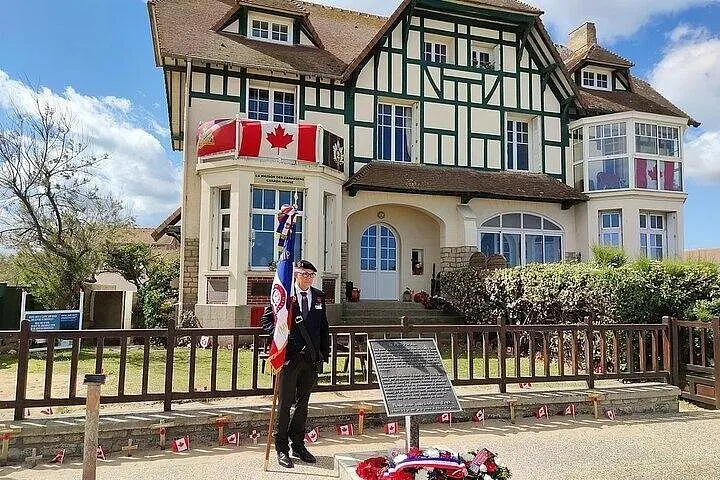
The route threads history into landscape: concrete German bunkers half-buried in dune grass, the Juno Beach Centre’s exhibits of letters and kit, and rolling farmland that once heard artillery in 1944. Geologically the area is low-lying chalk and clay, beaches shaped by tidal currents that seem to push memories inland with each season. Culturally, small towns along the coast keep wartime memory alive with monuments, bilingual plaques, and the occasional Canadian flag over a café window.
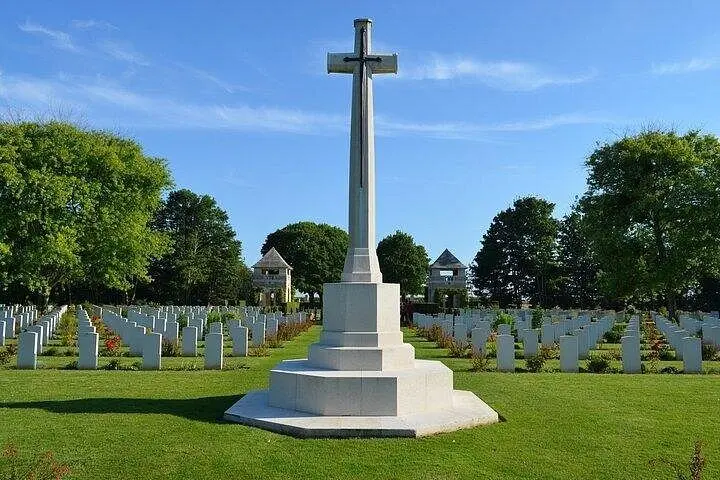
The tour typically stops at the Juno Beach shoreline, the museum behind the dunes, the Canadian war cemetery at Beny-sur-Mer, and memorials at Bernières. Each stop balances reverence with interpretation—expect archival photos, personal testimonies, and neatly maintained headstones set against open sky.
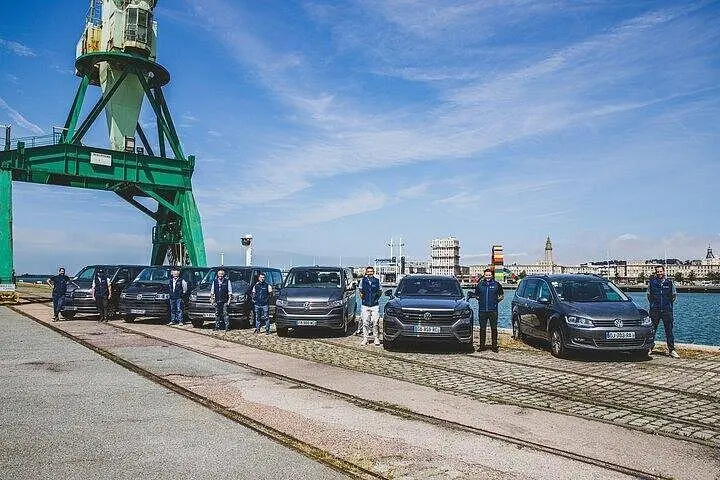
Practical guidance: wear sturdy shoes for sand and uneven paths, bring a light waterproof layer, and allow time at the cemetery for quiet reflection. If you’re on a cruise schedule, confirm pickup and drop-off times with the operator; private transport keeps the day efficient for groups up to eight. Hydration, respectful clothing for cemetery visits, and modest photo etiquette will make the day smoother and more meaningful.
The tour is about 9 hours including driving; the operator coordinates pickup and guarantees return to Honfleur or the cruise terminal on schedule—confirm your ship times when booking.
Admission is not automatically included in this itinerary—check with the provider and bring cash or card if you plan to enter the museum.
Short walks on sand and over slightly uneven ground are required; strollers may be difficult on dunes. The tour is family‑friendly but not recommended for travelers with serious mobility or spinal issues.
As a private tour for up to eight, the itinerary is flexible—discuss additional time or alternate stops with your guide at booking.
Normandy Private Tours operates guided outdoor trips and adventures with an emphasis on safety, stewardship, and memorable experiences.
A cold North Sea wind pulls at your jacket as the minivan eases away from Honfleur’s cobbled quay, and the flat Normandy coastline opens like an old map. Within an hour and a half you arrive at pale sand and low dunes where veterans and visitors still leave poppies and notes—this is Juno Beach, where Canadian forces first hit shore on D‑Day.
A cold North Sea wind pulls at your jacket as the minivan eases away from Honfleur’s cobbled quay, and the flat Normandy coastline opens like an old map. Within an hour and a half you arrive at pale sand and low dunes where veterans and visitors still leave poppies and notes—this is Juno Beach, where Canadian forces first hit shore on D‑Day.
The route threads history into landscape: concrete German bunkers half-buried in dune grass, the Juno Beach Centre’s exhibits of letters and kit, and rolling farmland that once heard artillery in 1944. Geologically the area is low-lying chalk and clay, beaches shaped by tidal currents that seem to push memories inland with each season. Culturally, small towns along the coast keep wartime memory alive with monuments, bilingual plaques, and the occasional Canadian flag over a café window.
The tour typically stops at the Juno Beach shoreline, the museum behind the dunes, the Canadian war cemetery at Beny-sur-Mer, and memorials at Bernières. Each stop balances reverence with interpretation—expect archival photos, personal testimonies, and neatly maintained headstones set against open sky.
Practical guidance: wear sturdy shoes for sand and uneven paths, bring a light waterproof layer, and allow time at the cemetery for quiet reflection. If you’re on a cruise schedule, confirm pickup and drop-off times with the operator; private transport keeps the day efficient for groups up to eight. Hydration, respectful clothing for cemetery visits, and modest photo etiquette will make the day smoother and more meaningful.