THE ADVENTURE COLLECTIVE® · Independent discovery and booking for outdoor travel

Explore Hong Kong’s art scene on a focused three-hour walking tour that moves from Mong Kok markets to Central studios. Expect murals, micro-galleries, and local stories that explain how the city’s streets became an open-air gallery.
Explore Hong Kong’s art scene on a focused three-hour walking tour that moves from Mong Kok markets to Central studios. Expect murals, micro-galleries, and local stories that explain how the city’s streets became an open-air gallery.
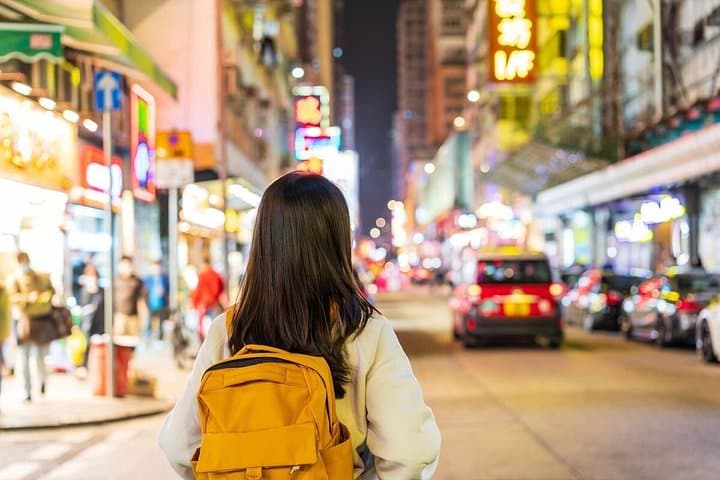
You step off the tram into a thrum of voices, neon, and paste-up posters — Hong Kong’s streets pushing you forward like a restless curator. The three hours that follow move at the city's pace: quick glances at a market stall, then a long stop in an alley where a mural seems to argue with a shuttered appliance shop.
Verified experiences and guided adventures in the surrounding area.
Operated by Opatrip.com China · Hong Kong, Hong Kong
You step off the tram into a thrum of voices, neon, and paste-up posters — Hong Kong’s streets pushing you forward like a restless curator. The three hours that follow move at the city's pace: quick glances at a market stall, then a long stop in an alley where a mural seems to argue with a shuttered appliance shop.
This walk threads Mong Kok’s market energy through the colonial-era lanes of Central and Wan Chai, where painted walls share space with century-old temples and repurposed workshops. Hong Kong's urban geology — reclaimed harbor edges, steep granite steps, narrow back lanes — shaped how art crept into public space: murals on tenement facades, micro-galleries in former factories, and studios tucked above cafés.
Culturally, the tour exposes a city that translates Cantonese street life into contemporary art, mixing local call-and-response traditions with international gallery language. Expect stories about the post-war hawker economy, the preservation of Hollywood Road’s antique trade, and the municipal shifts that turned old police quarters into creative hubs.
Practically: wear sturdy walking shoes and carry a small bottle of water; summer showers can arrive without warning and alleys can be steep and uneven. The route is compact but busy—book a morning slot for cooler light and fewer crowds. Guides will point out artists’ studios, explain permission etiquette for photographing street pieces, and suggest nearby cafés to continue the conversation. This is a sensory, urban sketch of Hong Kong: vibrant, practical, and ever-changing.
Start and end points are confirmed at booking—typically in central Mong Kok or Central; pick-up options may be available on request.
Yes—it's classified as physically easy, though participants should be able to walk for up to three hours with short breaks.
This private walk highlights public art and studio visits; gallery admissions are usually not included unless specified in the booking details.
Guides typically speak English and Cantonese; confirm any specific language needs when booking.
Opatrip.com China operates guided outdoor trips and adventures with an emphasis on safety, stewardship, and memorable experiences.
You step off the tram into a thrum of voices, neon, and paste-up posters — Hong Kong’s streets pushing you forward like a restless curator. The three hours that follow move at the city's pace: quick glances at a market stall, then a long stop in an alley where a mural seems to argue with a shuttered appliance shop.
You step off the tram into a thrum of voices, neon, and paste-up posters — Hong Kong’s streets pushing you forward like a restless curator. The three hours that follow move at the city's pace: quick glances at a market stall, then a long stop in an alley where a mural seems to argue with a shuttered appliance shop.
This walk threads Mong Kok’s market energy through the colonial-era lanes of Central and Wan Chai, where painted walls share space with century-old temples and repurposed workshops. Hong Kong's urban geology — reclaimed harbor edges, steep granite steps, narrow back lanes — shaped how art crept into public space: murals on tenement facades, micro-galleries in former factories, and studios tucked above cafés.
Culturally, the tour exposes a city that translates Cantonese street life into contemporary art, mixing local call-and-response traditions with international gallery language. Expect stories about the post-war hawker economy, the preservation of Hollywood Road’s antique trade, and the municipal shifts that turned old police quarters into creative hubs.
Practically: wear sturdy walking shoes and carry a small bottle of water; summer showers can arrive without warning and alleys can be steep and uneven. The route is compact but busy—book a morning slot for cooler light and fewer crowds. Guides will point out artists’ studios, explain permission etiquette for photographing street pieces, and suggest nearby cafés to continue the conversation. This is a sensory, urban sketch of Hong Kong: vibrant, practical, and ever-changing.