THE ADVENTURE COLLECTIVE® · Independent discovery and booking for outdoor travel

Board a small-group executive tour from Waikiki to the USS Arizona Memorial and downtown Honolulu. This concise, respectful outing pairs the Pearl Harbor Visitor Center’s museums and the Navy-operated memorial boat with a guided drive past Iolani Palace and other historic downtown sites.
Board a small-group executive tour from Waikiki to the USS Arizona Memorial and downtown Honolulu. This concise, respectful outing pairs the Pearl Harbor Visitor Center’s museums and the Navy-operated memorial boat with a guided drive past Iolani Palace and other historic downtown sites.
The van eases away from the neon strip of Waikiki and the ocean slides into a long, blue silence. By the time you reach the Pearl Harbor Visitor Center, the bustle of the city feels like a distant tide; the harbor itself seems to hold its breath. You cross the security ridge and stand on the shaded promenade, the documentary’s voice still in your ears, then step onto the U.S. Navy shuttle boat that carries visitors across water that keeps its own stories.
Verified experiences and guided adventures in the surrounding area.
Operated by Hawaii Luxury Travel Concierge and Limousines LLC · Honolulu, Hawaii
The van eases away from the neon strip of Waikiki and the ocean slides into a long, blue silence. By the time you reach the Pearl Harbor Visitor Center, the bustle of the city feels like a distant tide; the harbor itself seems to hold its breath. You cross the security ridge and stand on the shaded promenade, the documentary’s voice still in your ears, then step onto the U.S. Navy shuttle boat that carries visitors across water that keeps its own stories.
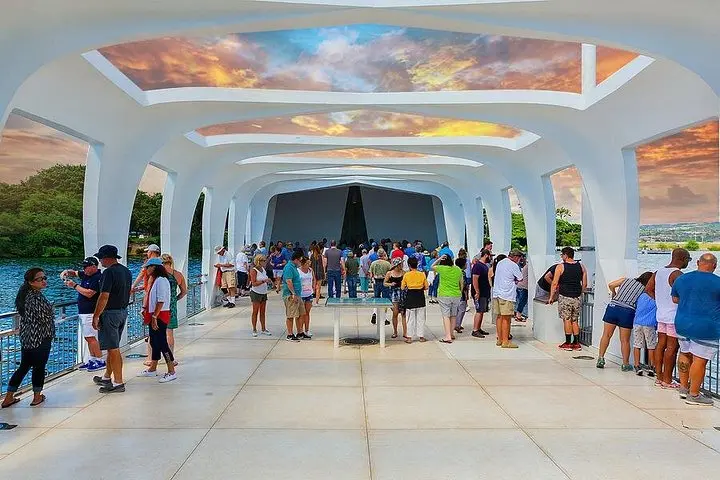
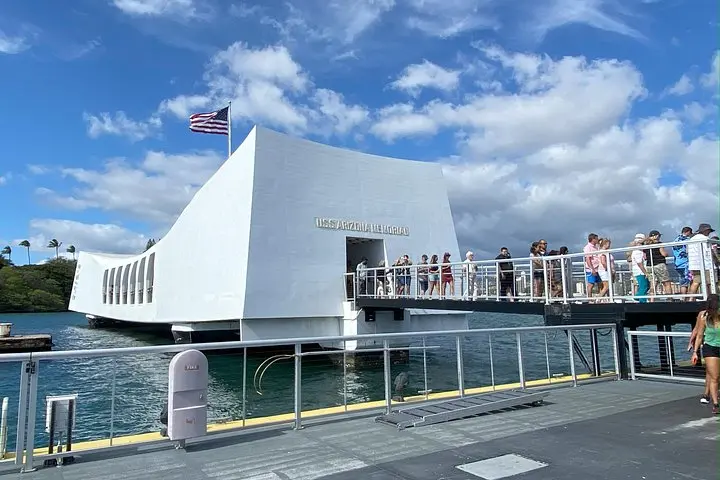
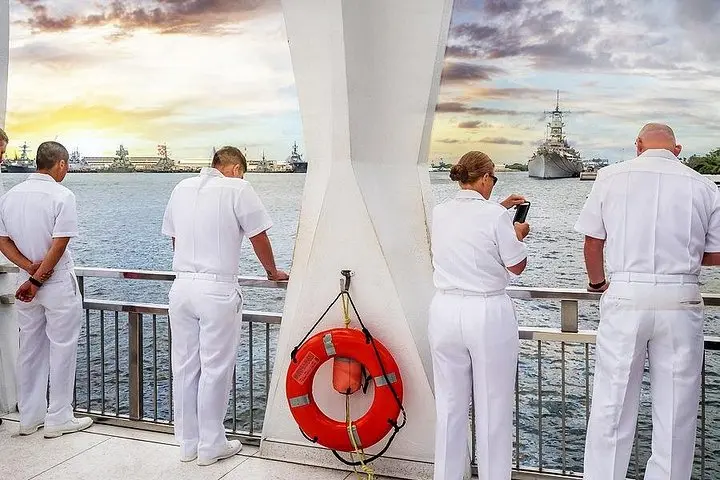
Pearl Harbor is a place where history sits visibly on the surface. The USS Arizona—her blackened hull trapped beneath the memorial—reminds you that this is both a museum and a grave. The two on-site museums, “Road to War” and “Attack,” line the narrative in measured, archival detail: maps, photographs, telegrams, the slow accumulation of decisions that led to December 7, 1941. The tour also threads a short city drive through downtown Honolulu—past Iolani Palace, the State Capitol’s reflective pool, and the golden statue of Kamehameha—each stop a chapter in Hawaii’s complex political past, from kingdom to U.S. statehood.
The island’s geology underpins the story. Honolulu occupies the eroded flanks of volcanic cones; the National Memorial Cemetery of the Pacific—Punchbowl—is carved from a tuff cone, an old volcanic throat now turned to quiet graves and panoramic views of the city. Cultural echoes are constant: royal names, Hawaiian-language placards, and the slow, careful stewardship of sites deemed sacred by descendants and veterans alike.
Practical details shape the day: this is a small-group, executive-class tour with a max of 14 people, about five hours on the schedule. Pickup from Waikiki hotels, the cruise port, or Daniel K. Inouye International Airport is included; an air-conditioned van and a complimentary bottle of water are standard. Note the strict no-bags policy at the Visitor Center—only clear bags or essential medical supplies are allowed—and that the Arizona Memorial is accessible only by U.S. Navy shuttle boat. Documentary viewing is roughly 23 minutes, and the guided stop at the memorial is timed with Navy ticket availability.
Expect accessible walking but bring sun protection and comfortable shoes for pavement and shaded paths. The Navy can cancel the boat for safety reasons; when that happens tours shift to the museum exhibits and nearby memorials. Use the time in downtown to photograph the Capitol reflections and Iolani Palace façade—arriving early reduces crowds at the memorial. Above all, treat the site with quiet respect: this is an educational visit and a place of remembrance, where the sea keeps its own memories and asks for silence in return.
Yes—this tour includes tickets for the U.S. Navy-operated shuttle boat to the Arizona Memorial, but the Navy can adjust or cancel tickets for safety reasons.
No—bags of any kind are not allowed into the Visitor Center; clear bags for infant supplies or medication are the only exception.
Yes—pickup from Daniel K. Inouye Airport and Honolulu cruise port is available without extra charge; airport drop-offs may return directly after Pearl Harbor depending on your ticket.
The tour is marketed as physically easy and the Visitor Center accommodates mobility needs, but boarding the Navy shuttle boat may require assistance—notify the operator when booking.
If the boat is canceled for weather or safety, the tour will focus on the Visitor Center museums and nearby memorials; refunds are subject to the operator’s cancellation policy.
Photography is generally allowed on outdoor memorials and exhibits, but please observe signage and maintain quiet on the memorial platform itself.
Hawaii Luxury Travel Concierge and Limousines LLC operates guided outdoor trips and adventures with an emphasis on safety, stewardship, and memorable experiences.
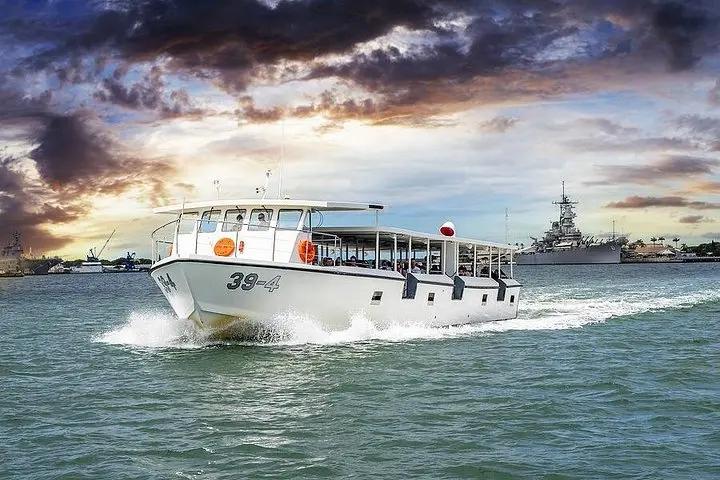
The van eases away from the neon strip of Waikiki and the ocean slides into a long, blue silence. By the time you reach the Pearl Harbor Visitor Center, the bustle of the city feels like a distant tide; the harbor itself seems to hold its breath. You cross the security ridge and stand on the shaded promenade, the documentary’s voice still in your ears, then step onto the U.S. Navy shuttle boat that carries visitors across water that keeps its own stories.
The van eases away from the neon strip of Waikiki and the ocean slides into a long, blue silence. By the time you reach the Pearl Harbor Visitor Center, the bustle of the city feels like a distant tide; the harbor itself seems to hold its breath. You cross the security ridge and stand on the shaded promenade, the documentary’s voice still in your ears, then step onto the U.S. Navy shuttle boat that carries visitors across water that keeps its own stories.
Pearl Harbor is a place where history sits visibly on the surface. The USS Arizona—her blackened hull trapped beneath the memorial—reminds you that this is both a museum and a grave. The two on-site museums, “Road to War” and “Attack,” line the narrative in measured, archival detail: maps, photographs, telegrams, the slow accumulation of decisions that led to December 7, 1941. The tour also threads a short city drive through downtown Honolulu—past Iolani Palace, the State Capitol’s reflective pool, and the golden statue of Kamehameha—each stop a chapter in Hawaii’s complex political past, from kingdom to U.S. statehood.
The island’s geology underpins the story. Honolulu occupies the eroded flanks of volcanic cones; the National Memorial Cemetery of the Pacific—Punchbowl—is carved from a tuff cone, an old volcanic throat now turned to quiet graves and panoramic views of the city. Cultural echoes are constant: royal names, Hawaiian-language placards, and the slow, careful stewardship of sites deemed sacred by descendants and veterans alike.
Practical details shape the day: this is a small-group, executive-class tour with a max of 14 people, about five hours on the schedule. Pickup from Waikiki hotels, the cruise port, or Daniel K. Inouye International Airport is included; an air-conditioned van and a complimentary bottle of water are standard. Note the strict no-bags policy at the Visitor Center—only clear bags or essential medical supplies are allowed—and that the Arizona Memorial is accessible only by U.S. Navy shuttle boat. Documentary viewing is roughly 23 minutes, and the guided stop at the memorial is timed with Navy ticket availability.
Expect accessible walking but bring sun protection and comfortable shoes for pavement and shaded paths. The Navy can cancel the boat for safety reasons; when that happens tours shift to the museum exhibits and nearby memorials. Use the time in downtown to photograph the Capitol reflections and Iolani Palace façade—arriving early reduces crowds at the memorial. Above all, treat the site with quiet respect: this is an educational visit and a place of remembrance, where the sea keeps its own memories and asks for silence in return.