THE ADVENTURE COLLECTIVE® · Independent discovery and booking for outdoor travel

Step aboard the Prince Kuhio at Kewalo Basin for a 105‑minute whale watching cruise that targets humpback congregations in Hawaiian winter waters. Learn natural history, observe breaches and spouts from a large upper deck, and follow responsible viewing practices.
Step aboard the Prince Kuhio at Kewalo Basin for a 105‑minute whale watching cruise that targets humpback congregations in Hawaiian winter waters. Learn natural history, observe breaches and spouts from a large upper deck, and follow responsible viewing practices.
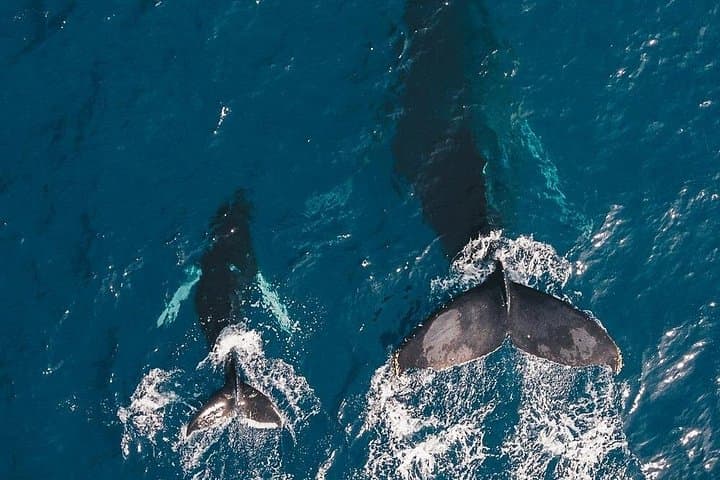
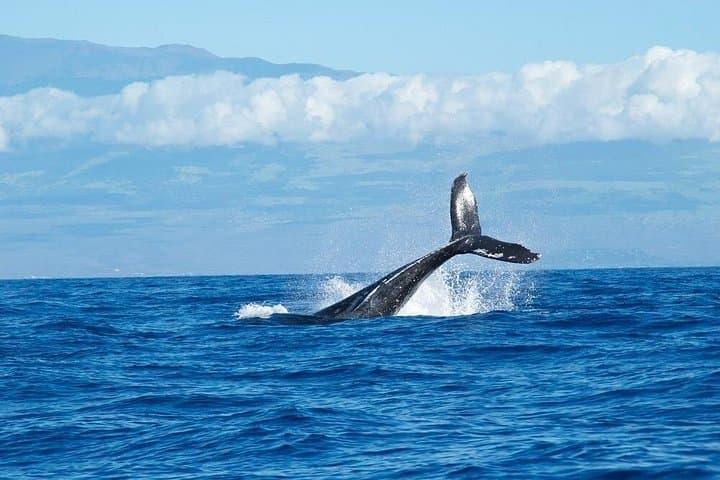
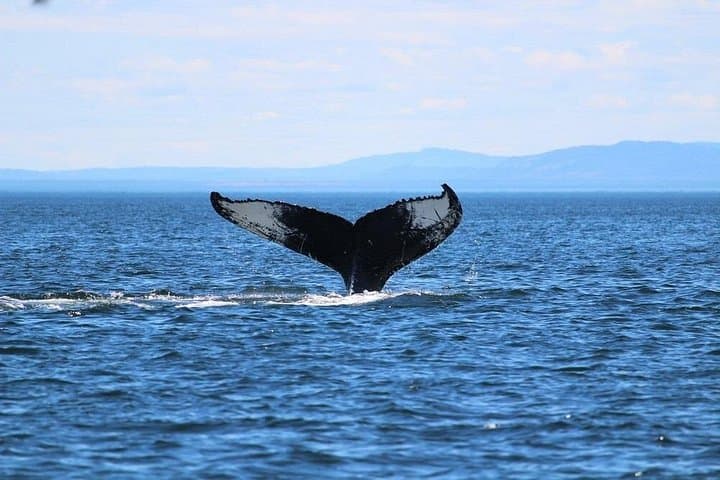
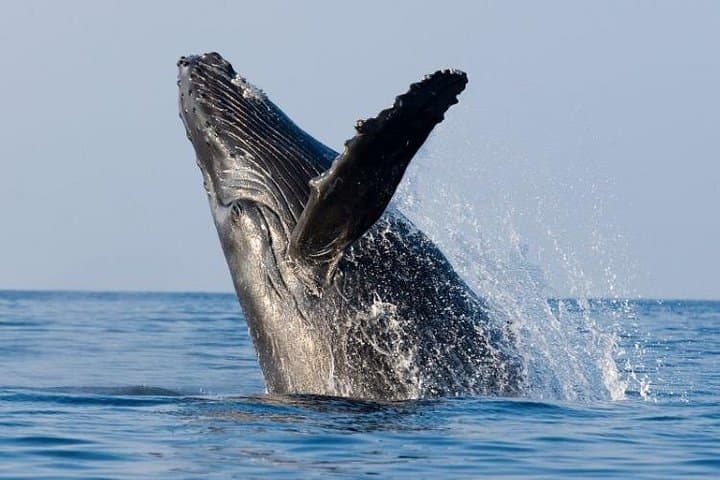
The harbor smells faintly of diesel and salt as the Prince Kuhio eases away from Kewalo Basin, the skyline of Honolulu sliding into the distance. Mid‑deck, the ocean opens wide and cold currents push against the hull as passengers scan the horizon; a spout, a black arching back, then the explosive drama of a breach draws an involuntary hush.
Verified experiences and guided adventures in the surrounding area.
Operated by Prince Kuhio Tours · Honolulu, Hawaii
The harbor smells faintly of diesel and salt as the Prince Kuhio eases away from Kewalo Basin, the skyline of Honolulu sliding into the distance. Mid‑deck, the ocean opens wide and cold currents push against the hull as passengers scan the horizon; a spout, a black arching back, then the explosive drama of a breach draws an involuntary hush.
Humpback whales (koholā) have migrated to Hawaiian waters for generations, returning each winter to birth and nurse calves in the lee of the islands. Geologically, the warm, shallow troughs off Oʻahu offer calmer seas than the open Pacific, creating the seasonal nursery that attracts these giants. Locally, whales figure in moʻolelo (stories) and modern conservation efforts — you’ll hear both science and cultural respect woven into narration on board.
Expect binocular-friendly viewing from a large, stable upper deck with room to move and on‑board beverage service. Trips run roughly 105 minutes; sightings are most frequent between December and March, though dolphins and green sea turtles sometimes appear year‑round. The boat’s commentary covers identification, behavior, and federal approach rules — a reminder that ethical viewing matters as much as the spectacle.
Practicalities: arrive 30 minutes early to check in at Slip F30, wear layered windproof clothing, bring sun protection and motion‑sickness meds if you’re prone to queasiness. Cameras with telephoto lenses capture breaches; quieter cameras let you stay present. Whether you’re a first‑time observer or a repeat visitor, the cruise pairs safe accessibility with high potential for unforgettable encounters.
Humpback whales typically congregate between mid‑December and March; peak sightings are often in January and February.
No—sightings are common in peak season but not guaranteed; operators will often explain weather and animal movement factors.
Kewalo Basin boarding and vessel access vary by boat; this operator notes stroller access and generally easy physical requirements—contact the operator ahead for specific wheelchair accommodations.
Follow crew instructions: do not make sudden movements, avoid crowding the rail, and trust the captain to maintain a safe, regulatory distance as required by NOAA.
Prince Kuhio Tours operates guided outdoor trips and adventures with an emphasis on safety, stewardship, and memorable experiences.
The harbor smells faintly of diesel and salt as the Prince Kuhio eases away from Kewalo Basin, the skyline of Honolulu sliding into the distance. Mid‑deck, the ocean opens wide and cold currents push against the hull as passengers scan the horizon; a spout, a black arching back, then the explosive drama of a breach draws an involuntary hush.
The harbor smells faintly of diesel and salt as the Prince Kuhio eases away from Kewalo Basin, the skyline of Honolulu sliding into the distance. Mid‑deck, the ocean opens wide and cold currents push against the hull as passengers scan the horizon; a spout, a black arching back, then the explosive drama of a breach draws an involuntary hush.
Humpback whales (koholā) have migrated to Hawaiian waters for generations, returning each winter to birth and nurse calves in the lee of the islands. Geologically, the warm, shallow troughs off Oʻahu offer calmer seas than the open Pacific, creating the seasonal nursery that attracts these giants. Locally, whales figure in moʻolelo (stories) and modern conservation efforts — you’ll hear both science and cultural respect woven into narration on board.
Expect binocular-friendly viewing from a large, stable upper deck with room to move and on‑board beverage service. Trips run roughly 105 minutes; sightings are most frequent between December and March, though dolphins and green sea turtles sometimes appear year‑round. The boat’s commentary covers identification, behavior, and federal approach rules — a reminder that ethical viewing matters as much as the spectacle.
Practicalities: arrive 30 minutes early to check in at Slip F30, wear layered windproof clothing, bring sun protection and motion‑sickness meds if you’re prone to queasiness. Cameras with telephoto lenses capture breaches; quieter cameras let you stay present. Whether you’re a first‑time observer or a repeat visitor, the cruise pairs safe accessibility with high potential for unforgettable encounters.