THE ADVENTURE COLLECTIVE® · Independent discovery and booking for outdoor travel

Step off the Strip and onto the pedestrian walkway of the Mike O'Callaghan–Pat Tillman Memorial Bridge for 900-foot views of Hoover Dam, plus stops in historic Boulder City and photo overlooks on the Arizona side. This guided highlights tour mixes history, geology and accessible sightseeing.
Step off the Strip and onto the pedestrian walkway of the Mike O'Callaghan–Pat Tillman Memorial Bridge for 900-foot views of Hoover Dam, plus stops in historic Boulder City and photo overlooks on the Arizona side. This guided highlights tour mixes history, geology and accessible sightseeing.
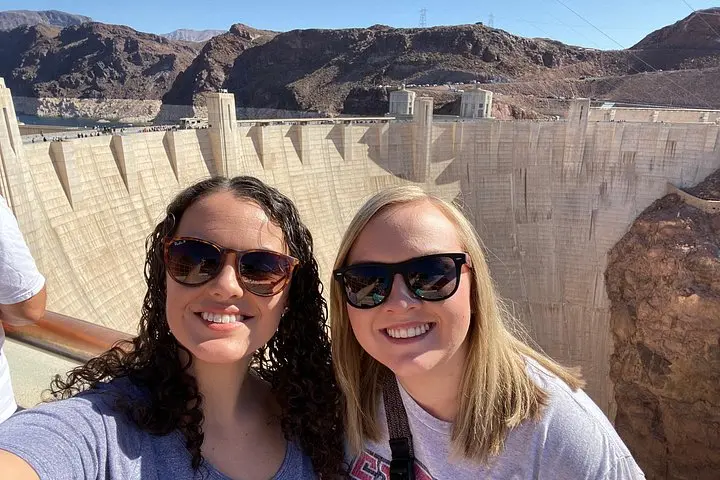
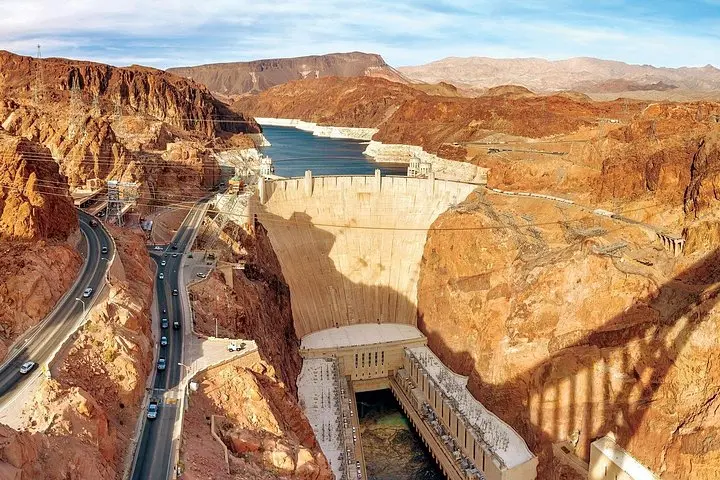
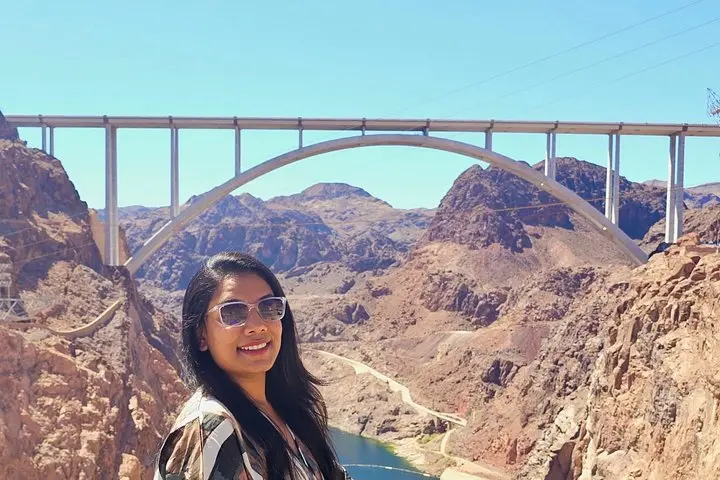
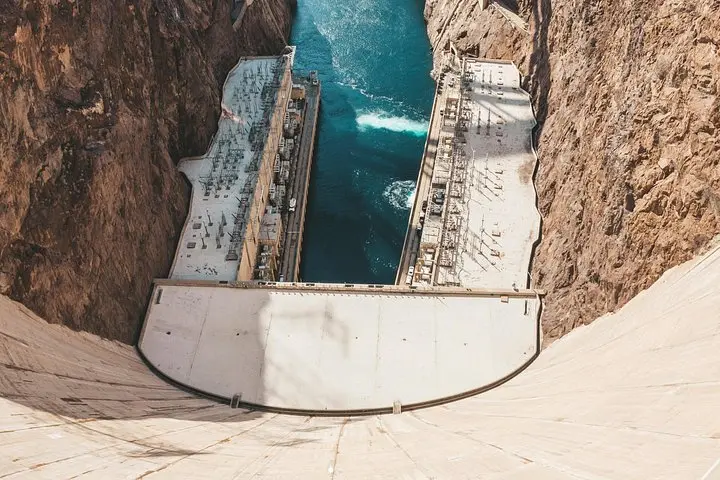
A morning bus eases out of the Nevada heat and the strip’s neon retreating, leaving behind Las Vegas to the west and a widening desert to the east. By the time the coach rolls onto the Mike O'Callaghan–Pat Tillman Memorial Bridge, the dam appears like a carved edge between the canyon walls, the Colorado River daring the concrete to hold it back. Guests step onto the pedestrian walkway and look down 900 feet to the river—wind teasing hats, sunlight glancing off Art Deco railings.
Verified experiences and guided adventures in the surrounding area.
Operated by National Park Express · Boulder City, Nevada
A morning bus eases out of the Nevada heat and the strip’s neon retreating, leaving behind Las Vegas to the west and a widening desert to the east. By the time the coach rolls onto the Mike O'Callaghan–Pat Tillman Memorial Bridge, the dam appears like a carved edge between the canyon walls, the Colorado River daring the concrete to hold it back. Guests step onto the pedestrian walkway and look down 900 feet to the river—wind teasing hats, sunlight glancing off Art Deco railings.
Built between 1931–1936 during the Great Depression, Hoover Dam changed the Southwest: it harnessed the Colorado River, created Lake Mead and powered the valley’s growth. Geologically, the site sits where Black Canyon’s volcanic and metamorphic rock channels the river; carved bedrock and spillways reveal the power restrained here. Culturally, nearby Boulder City preserves the town that housed dam workers—its museum and bronze art walk illuminate daily life during construction.
Practically, this 4.5-hour highlights tour combines a bridge walk, photo stops on the Arizona side, time in Boulder City and a walk across the dam’s crest (visitor center access and power plant tours may be separate). Expect brief walks on paved, sometimes windy paths and accessible ramps; bring sun protection, a refillable bottle and shoes with stable soles. Tours run year-round but plan early-morning departures in summer to avoid extreme heat, and allow buffer time for variable road or security delays. Keep cameras ready—the angle from the bypass bridge offers one of the clearest perspectives of the dam, the river below and the sculpted canyon beyond.
Powerplant or guided Visitor Center tours are typically separate and may require advance tickets; the highlights tour provides time to walk across the dam and visit the gift shop but does not always include paid interior access.
Yes—there are restroom stops at viewpoints and at the dam area; a small cafe and gift shop operate near the dam and Boulder City offers additional cafes during the stop.
The tour and most viewpoints are wheelchair accessible; ADA transport must be requested at least three business days prior and some viewpoints may have ramps or short stair sections.
No—Bureau of Reclamation restrictions prohibit luggage the size of a small backpack or larger; small personal bags are allowed.
National Park Express operates guided outdoor trips and adventures with an emphasis on safety, stewardship, and memorable experiences.
A morning bus eases out of the Nevada heat and the strip’s neon retreating, leaving behind Las Vegas to the west and a widening desert to the east. By the time the coach rolls onto the Mike O'Callaghan–Pat Tillman Memorial Bridge, the dam appears like a carved edge between the canyon walls, the Colorado River daring the concrete to hold it back. Guests step onto the pedestrian walkway and look down 900 feet to the river—wind teasing hats, sunlight glancing off Art Deco railings.
A morning bus eases out of the Nevada heat and the strip’s neon retreating, leaving behind Las Vegas to the west and a widening desert to the east. By the time the coach rolls onto the Mike O'Callaghan–Pat Tillman Memorial Bridge, the dam appears like a carved edge between the canyon walls, the Colorado River daring the concrete to hold it back. Guests step onto the pedestrian walkway and look down 900 feet to the river—wind teasing hats, sunlight glancing off Art Deco railings.
Built between 1931–1936 during the Great Depression, Hoover Dam changed the Southwest: it harnessed the Colorado River, created Lake Mead and powered the valley’s growth. Geologically, the site sits where Black Canyon’s volcanic and metamorphic rock channels the river; carved bedrock and spillways reveal the power restrained here. Culturally, nearby Boulder City preserves the town that housed dam workers—its museum and bronze art walk illuminate daily life during construction.
Practically, this 4.5-hour highlights tour combines a bridge walk, photo stops on the Arizona side, time in Boulder City and a walk across the dam’s crest (visitor center access and power plant tours may be separate). Expect brief walks on paved, sometimes windy paths and accessible ramps; bring sun protection, a refillable bottle and shoes with stable soles. Tours run year-round but plan early-morning departures in summer to avoid extreme heat, and allow buffer time for variable road or security delays. Keep cameras ready—the angle from the bypass bridge offers one of the clearest perspectives of the dam, the river below and the sculpted canyon beyond.