THE ADVENTURE COLLECTIVE® · Independent discovery and booking for outdoor travel

Walk the dam, descend into the powerplant and float the Colorado River below — a single day that flips your idea of scale, engineering and the desert. This guided outing mixes close-up history, industrial interiors and a water-level perspective you won’t get from the highway.
Walk the dam, descend into the powerplant and float the Colorado River below — a single day that flips your idea of scale, engineering and the desert. This guided outing mixes close-up history, industrial interiors and a water-level perspective you won’t get from the highway.
The engine of the SUV hums as you leave the neon of the Strip and the desert opens like a page turned. By the time the guide points to the concrete curve anchoring the canyon — the Hoover Dam — the scale of the place settles in. You step out onto hot pavement, the air carrying faint ozone from the turbines below, and the dam rises before you: an engineered cliff that keeps a lake where there once was river.
Verified experiences and guided adventures in the surrounding area.
Operated by Pink Jeep Tours Las Vegas · Boulder City, Nevada
The engine of the SUV hums as you leave the neon of the Strip and the desert opens like a page turned. By the time the guide points to the concrete curve anchoring the canyon — the Hoover Dam — the scale of the place settles in. You step out onto hot pavement, the air carrying faint ozone from the turbines below, and the dam rises before you: an engineered cliff that keeps a lake where there once was river.
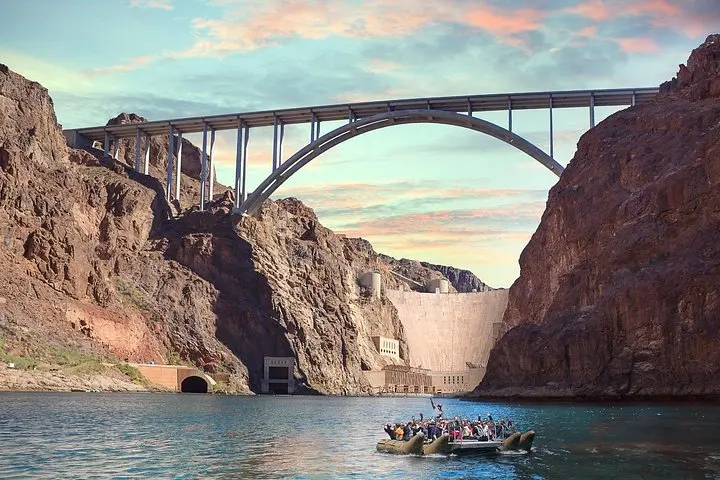
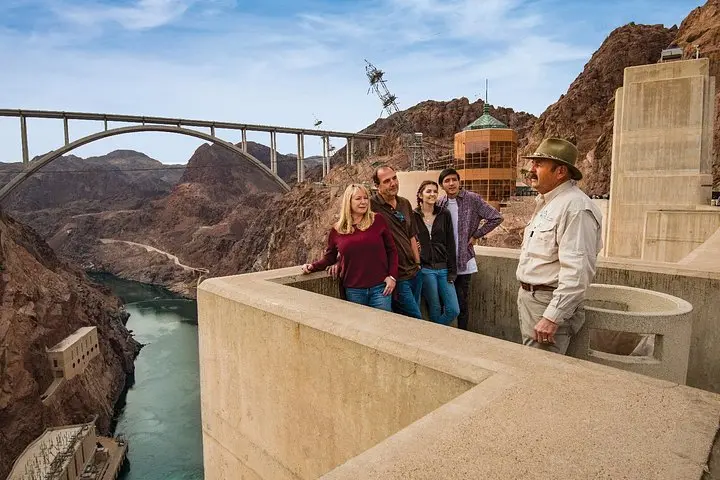
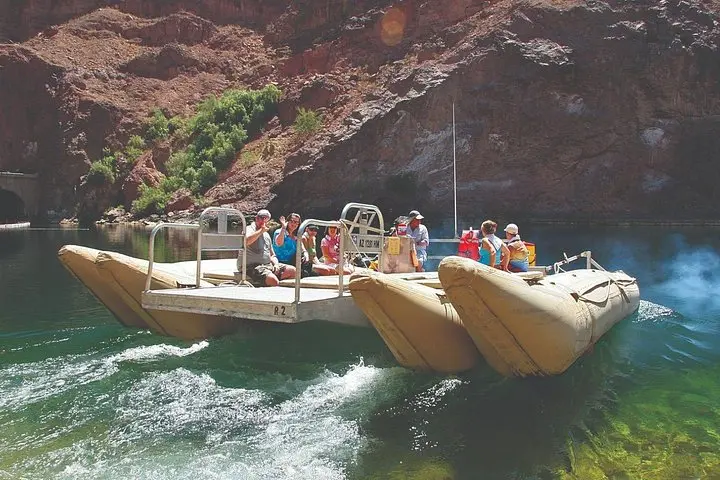
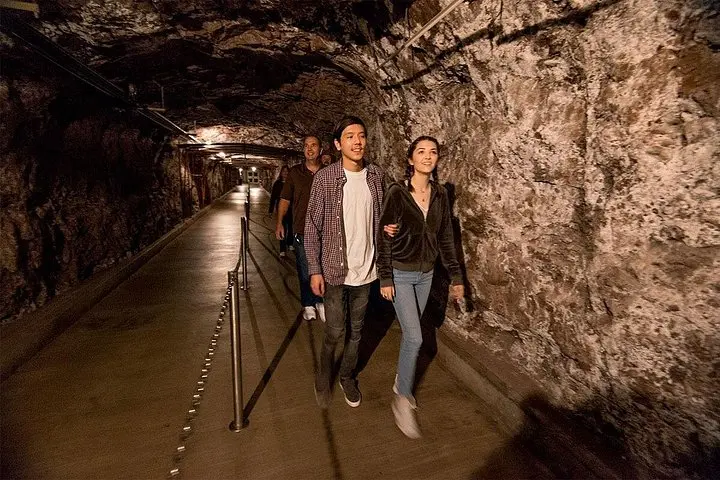
The tour moves in three acts. First, a narrated walk across the dam and its bypass bridge, where the horizon is split by the Mike O’Callaghan–Pat Tillman Memorial Bridge and the pale blue of Lake Mead. Guides point out art-deco reliefs — the Winged Figures of the Republic — and how the dam transformed the Southwest’s water and power politics in the 1930s. Then you descend into the powerplant: a cathedral of steel and copper, generators still humming, where the exposed guts of mid-century engineering make history tactile. Finally, the river float flips the perspective: from the Colorado River you look up at the dam’s face, seeing the concrete blocks, scaffolding marks and the channels workers used to build the structure.
Geologically the canyon is older than the dam; basalt and sedimentary layers bite into shadow. Culturally, the site is a monument to Depression-era mobilization — thousands of workers, new towns like Boulder City, and a blueprint for Western water management that reverberates today. Guides weave these stories while explaining reclaimed land, reservoir management and modern conservation challenges.
Practicalities matter here. The full experience runs about 6–7 hours, with a 90-minute river float and roughly an hour inside the powerplant. Expect paved walking (the dam is roughly 1,244 feet across) and stairs down into turbine rooms; comfortable, flat-soled shoes and energy for short climbs are essential. Hotel pickup from Las Vegas means you can travel light, but bring sun protection, refillable water, and a small daypack for your camera and layers. Note important health restrictions: the powerplant has confined spaces and electromagnetic equipment; guests with pacemakers, severe claustrophobia, or mobility devices may be unable to access all areas. Pregnant visitors should skip the boat portion.
Timing and tips: aim for a morning departure to avoid the harshest sun and to catch calmer river conditions. The tour includes bottled water, snacks and lunch, and the guides handle permits and logistics — which is why you’ll spend your energy watching the river dare the canyon and listening to the machines that still shape the West.
If you want more than a photo, ask your guide about the dam’s seasonal water levels and the stories behind the plaques and names on the turbines; those details turn a scenic stop into a deeper chapter of American engineering history.
Hotel pickups are available from most Las Vegas hotels; confirm your exact pickup time with the local provider after booking.
No — the tour advises against entering the generator rooms if you have a pacemaker or defibrillator due to electromagnetic fields.
Children aged 3 and up are allowed but must be able to get in and out of the boat without assistance; infant seats are available for vehicle pickup only.
Yes — the tour includes bottled water, snacks and a sandwich lunch with gluten-free options upon request.
This tour cannot accommodate wheelchairs, walkers or scooters, and some portions, including the boat, require limited mobility.
Tours may be altered or canceled for unsafe conditions; cancel at least 24 hours prior for a full refund if needed.
Pink Jeep Tours Las Vegas operates guided outdoor trips and adventures with an emphasis on safety, stewardship, and memorable experiences.
The engine of the SUV hums as you leave the neon of the Strip and the desert opens like a page turned. By the time the guide points to the concrete curve anchoring the canyon — the Hoover Dam — the scale of the place settles in. You step out onto hot pavement, the air carrying faint ozone from the turbines below, and the dam rises before you: an engineered cliff that keeps a lake where there once was river.
The engine of the SUV hums as you leave the neon of the Strip and the desert opens like a page turned. By the time the guide points to the concrete curve anchoring the canyon — the Hoover Dam — the scale of the place settles in. You step out onto hot pavement, the air carrying faint ozone from the turbines below, and the dam rises before you: an engineered cliff that keeps a lake where there once was river.
The tour moves in three acts. First, a narrated walk across the dam and its bypass bridge, where the horizon is split by the Mike O’Callaghan–Pat Tillman Memorial Bridge and the pale blue of Lake Mead. Guides point out art-deco reliefs — the Winged Figures of the Republic — and how the dam transformed the Southwest’s water and power politics in the 1930s. Then you descend into the powerplant: a cathedral of steel and copper, generators still humming, where the exposed guts of mid-century engineering make history tactile. Finally, the river float flips the perspective: from the Colorado River you look up at the dam’s face, seeing the concrete blocks, scaffolding marks and the channels workers used to build the structure.
Geologically the canyon is older than the dam; basalt and sedimentary layers bite into shadow. Culturally, the site is a monument to Depression-era mobilization — thousands of workers, new towns like Boulder City, and a blueprint for Western water management that reverberates today. Guides weave these stories while explaining reclaimed land, reservoir management and modern conservation challenges.
Practicalities matter here. The full experience runs about 6–7 hours, with a 90-minute river float and roughly an hour inside the powerplant. Expect paved walking (the dam is roughly 1,244 feet across) and stairs down into turbine rooms; comfortable, flat-soled shoes and energy for short climbs are essential. Hotel pickup from Las Vegas means you can travel light, but bring sun protection, refillable water, and a small daypack for your camera and layers. Note important health restrictions: the powerplant has confined spaces and electromagnetic equipment; guests with pacemakers, severe claustrophobia, or mobility devices may be unable to access all areas. Pregnant visitors should skip the boat portion.
Timing and tips: aim for a morning departure to avoid the harshest sun and to catch calmer river conditions. The tour includes bottled water, snacks and lunch, and the guides handle permits and logistics — which is why you’ll spend your energy watching the river dare the canyon and listening to the machines that still shape the West.
If you want more than a photo, ask your guide about the dam’s seasonal water levels and the stories behind the plaques and names on the turbines; those details turn a scenic stop into a deeper chapter of American engineering history.