THE ADVENTURE COLLECTIVE® · Independent discovery and booking for outdoor travel

Drive out of Las Vegas for a close-up of Hoover Dam — a Depression-era engineering feat that reshaped the Southwest. This guided tour includes a government-led interior visit to the power plant, photo stops at the Pat Tillman Bridge, and expert commentary en route.
Drive out of Las Vegas for a close-up of Hoover Dam — a Depression-era engineering feat that reshaped the Southwest. This guided tour includes a government-led interior visit to the power plant, photo stops at the Pat Tillman Bridge, and expert commentary en route.
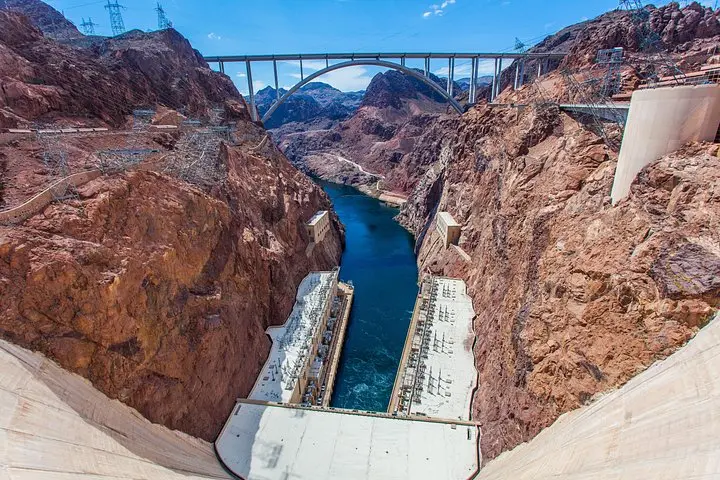
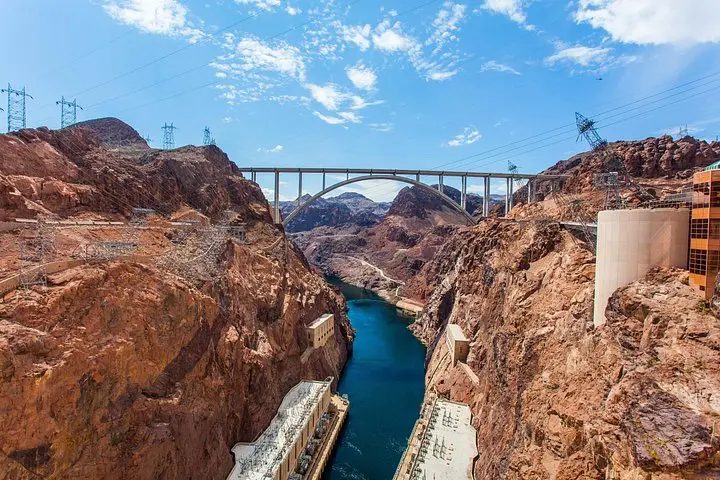
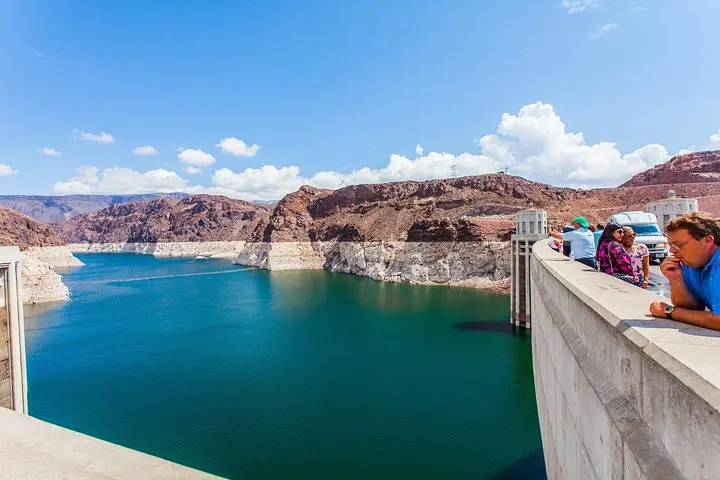
You leave the neon heat of Las Vegas and the desert stretches out, flat and bleached, until a concrete curve appears on the horizon: Hoover Dam. The road tightens through Black Canyon and the Colorado River seems to shrink as the dam rises — a massive, engineered wall that holds back a wide, glassy Lake Mead.
Verified experiences and guided adventures in the surrounding area.
Operated by Gray Line Las Vegas · Boulder City, Nevada
You leave the neon heat of Las Vegas and the desert stretches out, flat and bleached, until a concrete curve appears on the horizon: Hoover Dam. The road tightens through Black Canyon and the Colorado River seems to shrink as the dam rises — a massive, engineered wall that holds back a wide, glassy Lake Mead.
Built between 1931 and 1936 during the Great Depression, Hoover Dam was a federal push to control flooding, produce hydroelectric power and put thousands to work. Geologically the site sits where volcanic and sedimentary rocks frame a steep gorge; you’ll notice banded dark volcanic dikes and the pale, wave-shaped shorelines of Lake Mead where water levels have shifted over decades. Culturally the dam reshaped the Southwest — providing power and irrigation that helped Las Vegas grow into a regional hub.
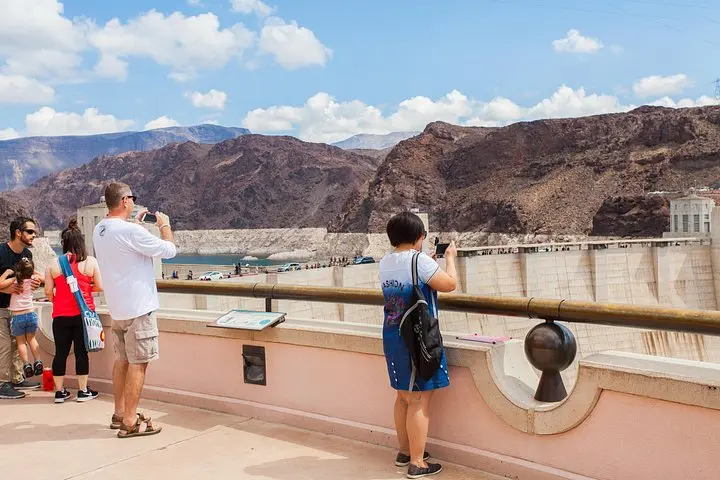
On the tour you’ll get a government-guided interior look at penstocks and generator halls, stand on the Pat Tillman Memorial Bridge for sweeping photos, and learn about early 20th-century engineering and labor history. Guides explain the dam’s role in regional water politics and recreational access to the reservoir.
Practical details: reconfirm hotel pickup, bring sun protection and a reusable water bottle, and be prepared to descend stairs into confined spaces — the interior visit isn’t recommended for people with pacemakers or severe claustrophobia. Expect 4–5 hours round-trip from Las Vegas with time for photos, a short stop at the Welcome to Las Vegas sign, and two hours at the dam if the interior tour is available. Check the operator’s notice about interior availability and pack layers — canyon temperatures can swing quickly between sun and shade.
Expect about 4–5 hours total, including roughly 45 minutes each way and up to two hours at the dam when the interior tour is included.
No — interior access is subject to government availability and may be closed; the operator will add alternative stops if the interior is inaccessible.
Yes — hotel pickup and drop-off from select hotels is included; exact pickup times and locations must be reconfirmed with the local operator.
Infants can ride in strollers; children 2+ require a seat. Collapsible wheelchairs are allowed if the passenger is assisted boarding and the supplier is notified three days in advance.
Gray Line Las Vegas operates guided outdoor trips and adventures with an emphasis on safety, stewardship, and memorable experiences.
You leave the neon heat of Las Vegas and the desert stretches out, flat and bleached, until a concrete curve appears on the horizon: Hoover Dam. The road tightens through Black Canyon and the Colorado River seems to shrink as the dam rises — a massive, engineered wall that holds back a wide, glassy Lake Mead.
You leave the neon heat of Las Vegas and the desert stretches out, flat and bleached, until a concrete curve appears on the horizon: Hoover Dam. The road tightens through Black Canyon and the Colorado River seems to shrink as the dam rises — a massive, engineered wall that holds back a wide, glassy Lake Mead.
Built between 1931 and 1936 during the Great Depression, Hoover Dam was a federal push to control flooding, produce hydroelectric power and put thousands to work. Geologically the site sits where volcanic and sedimentary rocks frame a steep gorge; you’ll notice banded dark volcanic dikes and the pale, wave-shaped shorelines of Lake Mead where water levels have shifted over decades. Culturally the dam reshaped the Southwest — providing power and irrigation that helped Las Vegas grow into a regional hub.
On the tour you’ll get a government-guided interior look at penstocks and generator halls, stand on the Pat Tillman Memorial Bridge for sweeping photos, and learn about early 20th-century engineering and labor history. Guides explain the dam’s role in regional water politics and recreational access to the reservoir.
Practical details: reconfirm hotel pickup, bring sun protection and a reusable water bottle, and be prepared to descend stairs into confined spaces — the interior visit isn’t recommended for people with pacemakers or severe claustrophobia. Expect 4–5 hours round-trip from Las Vegas with time for photos, a short stop at the Welcome to Las Vegas sign, and two hours at the dam if the interior tour is available. Check the operator’s notice about interior availability and pack layers — canyon temperatures can swing quickly between sun and shade.