THE ADVENTURE COLLECTIVE® · Independent discovery and booking for outdoor travel

Swap the tourist beaches for a 10-hour circuit that pairs a 30-minute horseback run along Bali’s black sand with visits to Ubud’s craft villages, palace and Batuan Temple. Expect volcanic shorelines, village artistry and practical local guidance.
Swap the tourist beaches for a 10-hour circuit that pairs a 30-minute horseback run along Bali’s black sand with visits to Ubud’s craft villages, palace and Batuan Temple. Expect volcanic shorelines, village artistry and practical local guidance.
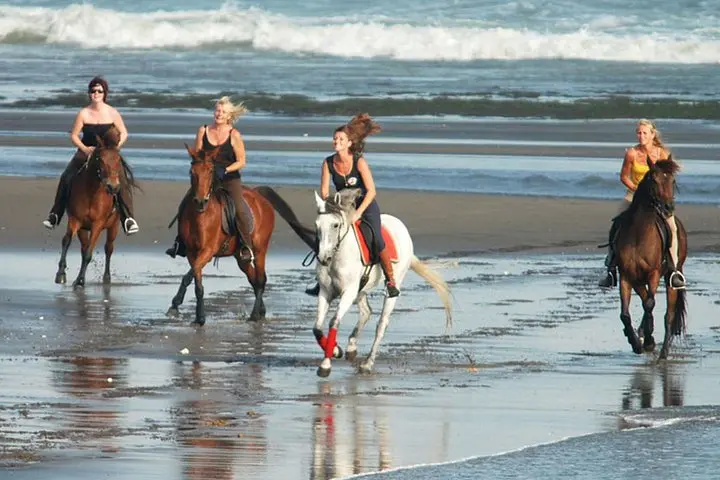
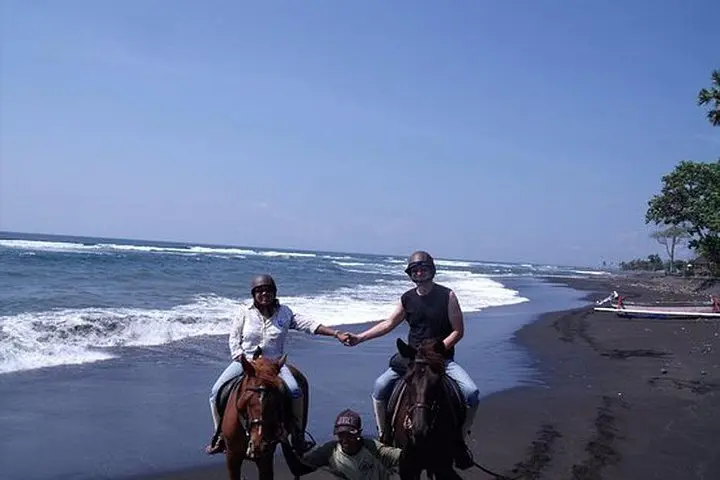
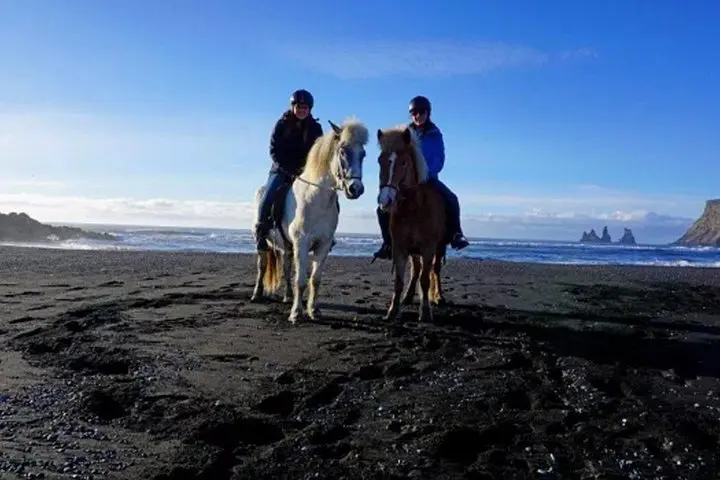
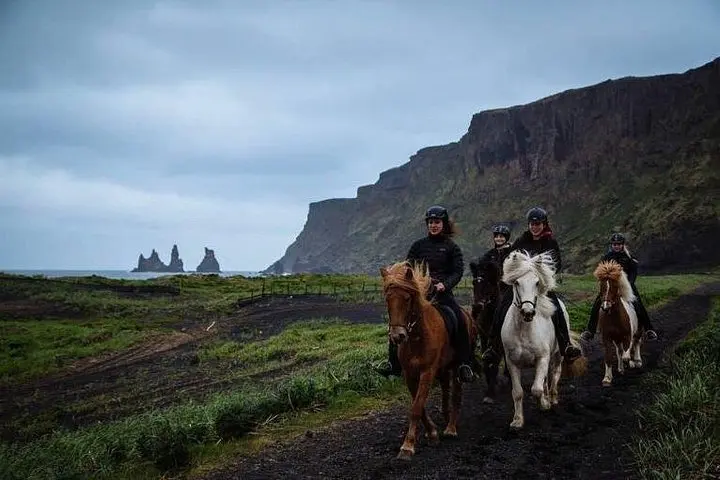
The first light of the morning catches on wet black grains as the private car eases down a coastal lane. Horses shift their weight and steam in the cool breeze; the ocean hisses against a strip of volcanic sand so dark it drinks the light. For 30 minutes the horse and rider move in a slow rhythm—hooves printing a contrast onto a shoreline born of molten rock and sea. This is not the postcard white-sand Bali most visitors expect; it’s a raw, tactile coastline that frames an itinerary equal parts nature and culture.
Verified experiences and guided adventures in the surrounding area.
Operated by Sewa Mobil Bali · Ubud, Bali
The first light of the morning catches on wet black grains as the private car eases down a coastal lane. Horses shift their weight and steam in the cool breeze; the ocean hisses against a strip of volcanic sand so dark it drinks the light. For 30 minutes the horse and rider move in a slow rhythm—hooves printing a contrast onto a shoreline born of molten rock and sea. This is not the postcard white-sand Bali most visitors expect; it’s a raw, tactile coastline that frames an itinerary equal parts nature and culture.
Geology explains the color: Bali’s volcanic past left rivers of basalt and ash that weather into coarse, inky sand. The shore here—often called Blangsinga or simply “black sand beach” by guides—is a place where tectonics and currents still argue, sending surf that can be brisk and bracing. That energy makes the ride feel alive: wind pushing at your shoulders, spray daring you to lean into the motion.
The day is wider than the beach. From Ubud the tour threads through Central Bali’s craft villages—Celuk’s silver-smiths, Mas’s woodcarvers—places where skills pass from parent to child and marketplaces hum with bargaining. Stop at Ubud Palace and the Art Market to see the island’s living culture: shadow puppets, lacquered masks and sarongs. Batuan Temple, with its split gates and layered shrines, offers a quieter look at Balinese Hindu architecture and village ritual.
Local guides keep the schedule steady. The ride itself is supervised; one horse equals one rider, and the operator enforces a 90 kg (200 lb) maximum. The full program runs about 10 hours door-to-door, including hotel pickup across common tourist areas—Kuta, Seminyak, Jimbaran, Canggu, Nusa Dua and Ubud—so you can combine surf-swept coastline with the inland crafts and temples.
Practicalities matter: saddle time is short but dynamic, so wear grippy footwear and a light layer for morning sea spray. Bring sun protection and a reusable bottle—the tropical sun and salty wind are deceptively dehydrating. If you have any spinal, heart or pregnancy concerns, the operator flags this ride as unsuitable; likewise, travelers over the weight cap cannot ride.
For photographers, the high-contrast sand takes dramatic silhouettes; aim for low-angle light at sunrise or late afternoon. Culturally, honor temple etiquette—cover shoulders and knees if you visit shrines—and support local artisans by looking before you buy.
At its best the trip is a compact portrait of Bali: volcanic geology at your feet, an equine pace to feel the coast, and a circuit through villages that keep traditional craft alive. It’s a day that balances motion and meaning—exactly the sort of local-scale adventure that changes how you remember the island.
The supervised horseback segment runs about 30 minutes on the black sand beach.
Children can ride but must meet operator safety rules; confirm age and weight with the supplier at booking.
The operator enforces a 90 kg (200 lb) maximum for safety and animal welfare reasons.
Yes—pickup is available from main tourist areas (Kuta, Seminyak, Nusa Dua, Jimbaran, Canggu, Ubud); confirm your exact pickup point when booking.
The full-day tour includes scheduled stops where restrooms and local meals or snacks are available; bring cash for extras and tips.
No—beginners are welcome; guides provide basic instruction and lead the horses where needed.
Sewa Mobil Bali operates guided outdoor trips and adventures with an emphasis on safety, stewardship, and memorable experiences.
The first light of the morning catches on wet black grains as the private car eases down a coastal lane. Horses shift their weight and steam in the cool breeze; the ocean hisses against a strip of volcanic sand so dark it drinks the light. For 30 minutes the horse and rider move in a slow rhythm—hooves printing a contrast onto a shoreline born of molten rock and sea. This is not the postcard white-sand Bali most visitors expect; it’s a raw, tactile coastline that frames an itinerary equal parts nature and culture.
The first light of the morning catches on wet black grains as the private car eases down a coastal lane. Horses shift their weight and steam in the cool breeze; the ocean hisses against a strip of volcanic sand so dark it drinks the light. For 30 minutes the horse and rider move in a slow rhythm—hooves printing a contrast onto a shoreline born of molten rock and sea. This is not the postcard white-sand Bali most visitors expect; it’s a raw, tactile coastline that frames an itinerary equal parts nature and culture.
Geology explains the color: Bali’s volcanic past left rivers of basalt and ash that weather into coarse, inky sand. The shore here—often called Blangsinga or simply “black sand beach” by guides—is a place where tectonics and currents still argue, sending surf that can be brisk and bracing. That energy makes the ride feel alive: wind pushing at your shoulders, spray daring you to lean into the motion.
The day is wider than the beach. From Ubud the tour threads through Central Bali’s craft villages—Celuk’s silver-smiths, Mas’s woodcarvers—places where skills pass from parent to child and marketplaces hum with bargaining. Stop at Ubud Palace and the Art Market to see the island’s living culture: shadow puppets, lacquered masks and sarongs. Batuan Temple, with its split gates and layered shrines, offers a quieter look at Balinese Hindu architecture and village ritual.
Local guides keep the schedule steady. The ride itself is supervised; one horse equals one rider, and the operator enforces a 90 kg (200 lb) maximum. The full program runs about 10 hours door-to-door, including hotel pickup across common tourist areas—Kuta, Seminyak, Jimbaran, Canggu, Nusa Dua and Ubud—so you can combine surf-swept coastline with the inland crafts and temples.
Practicalities matter: saddle time is short but dynamic, so wear grippy footwear and a light layer for morning sea spray. Bring sun protection and a reusable bottle—the tropical sun and salty wind are deceptively dehydrating. If you have any spinal, heart or pregnancy concerns, the operator flags this ride as unsuitable; likewise, travelers over the weight cap cannot ride.
For photographers, the high-contrast sand takes dramatic silhouettes; aim for low-angle light at sunrise or late afternoon. Culturally, honor temple etiquette—cover shoulders and knees if you visit shrines—and support local artisans by looking before you buy.
At its best the trip is a compact portrait of Bali: volcanic geology at your feet, an equine pace to feel the coast, and a circuit through villages that keep traditional craft alive. It’s a day that balances motion and meaning—exactly the sort of local-scale adventure that changes how you remember the island.