THE ADVENTURE COLLECTIVE® · Independent discovery and booking for outdoor travel

Ride through Colombia’s Cocora Valley on horseback, where towering wax palms and coffee hills form a dramatic backdrop. This full-day guided tour from Salento blends scenic viewpoints, local culture, and beginner-friendly riding.
Ride through Colombia’s Cocora Valley on horseback, where towering wax palms and coffee hills form a dramatic backdrop. This full-day guided tour from Salento blends scenic viewpoints, local culture, and beginner-friendly riding.
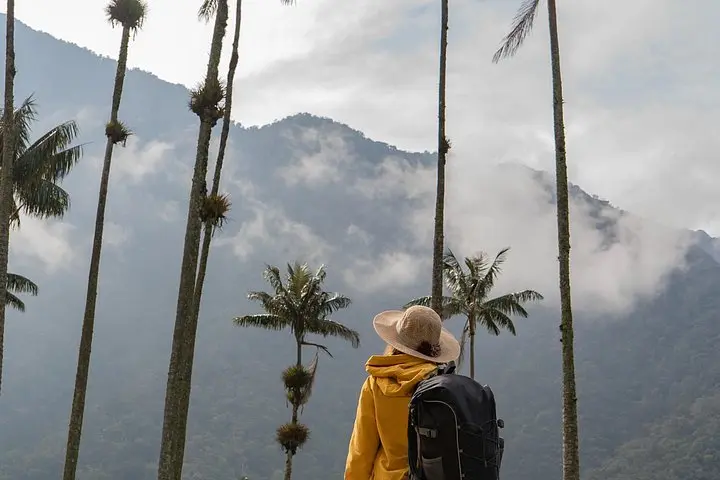
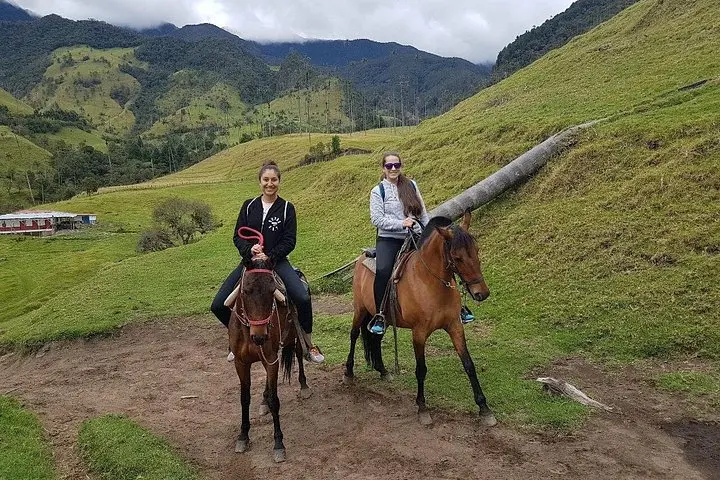
You climb into a saddle as mist slips through columns of wax palms and the valley exhales below you. Horses pick their way along narrow farm tracks while the guide points out viewpoints, and the coffee-region hills roll away in layered green. Footsteps of hooves set the pace; the landscape dares you to look further.
Verified experiences and guided adventures in the surrounding area.
Operated by Gran Colombia Tours · Salento, Quindío
You climb into a saddle as mist slips through columns of wax palms and the valley exhales below you. Horses pick their way along narrow farm tracks while the guide points out viewpoints, and the coffee-region hills roll away in layered green. Footsteps of hooves set the pace; the landscape dares you to look further.
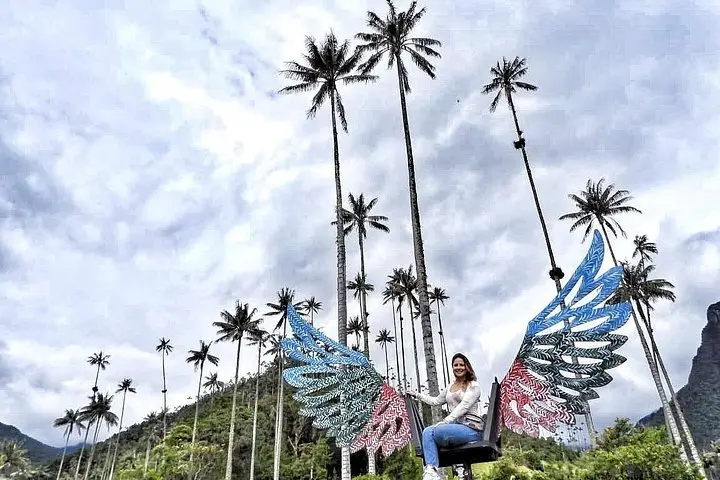
The Cocora Valley sits on the eastern flank of the Central Andes in Colombia’s Coffee Triangle. The valley’s tall Ceroxylon quindiuense (wax palms) rise from cloud-soaked pastures — a landscape shaped by volcanic soils and Andean uplift. Salento itself grew from coffee-farming traditions; small fincas (farms) and local riders still manage pastures the same way their grandparents did, making the ride as much cultural as scenic.
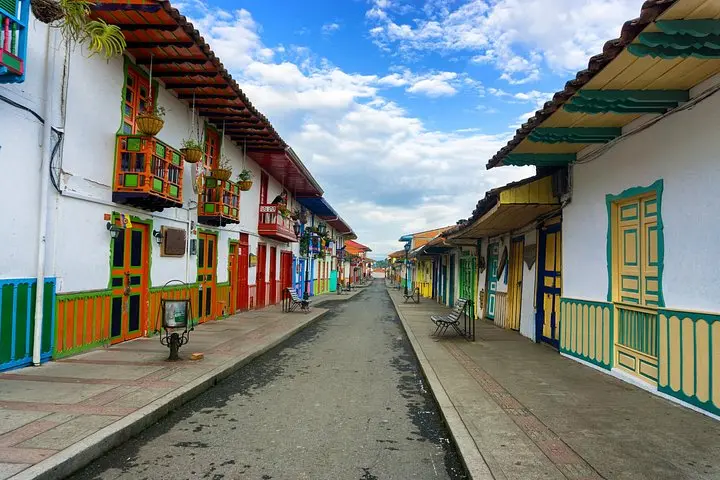
Expect farm tracks, gentle climbs and open grasslands more than technical trails. The guide will translate local stories — how the coffee cycle structures life here, and why the wax palm is protected — while stopping at viewpoints for photos. The tour often includes pick-up from Armenia, Pereira or Filandia and runs 6–8 hours with time in Salento and Cocora.
Practicalities: bring sun protection, layered rain gear and a small daypack; shoes should be closed-toe and grippy. Hydrate at every stop — the valley’s microclimates can switch from warm sun to cold mist in minutes. If you’re new to riding, the horses and handlers are experienced; the route is suitable for first-timers who can sit a saddle for several hours. Stick to the guide’s instructions around animals and fences to minimize impact and keep the ride smooth for everyone.
No. The tour is designed for riders of all levels; handlers and gentle horses make it suitable for beginners, though you should feel comfortable sitting in a saddle for multiple hours.
The tour lasts about 6–8 hours and typically includes hotel pick-up/drop-off, horse rental and handler, a guided ride through Salento and Cocora Valley, and insurance as noted by the operator.
People with serious spinal injuries or similar conditions are advised not to participate; confirm any weight limits with the operator when booking as limits can vary by horse and handler.
Early morning or late afternoon offer softer light and fewer crowds; mid-morning is popular but can be busier and cloudier depending on weather.
Gran Colombia Tours operates guided outdoor trips and adventures with an emphasis on safety, stewardship, and memorable experiences.
You climb into a saddle as mist slips through columns of wax palms and the valley exhales below you. Horses pick their way along narrow farm tracks while the guide points out viewpoints, and the coffee-region hills roll away in layered green. Footsteps of hooves set the pace; the landscape dares you to look further.
You climb into a saddle as mist slips through columns of wax palms and the valley exhales below you. Horses pick their way along narrow farm tracks while the guide points out viewpoints, and the coffee-region hills roll away in layered green. Footsteps of hooves set the pace; the landscape dares you to look further.
The Cocora Valley sits on the eastern flank of the Central Andes in Colombia’s Coffee Triangle. The valley’s tall Ceroxylon quindiuense (wax palms) rise from cloud-soaked pastures — a landscape shaped by volcanic soils and Andean uplift. Salento itself grew from coffee-farming traditions; small fincas (farms) and local riders still manage pastures the same way their grandparents did, making the ride as much cultural as scenic.
Expect farm tracks, gentle climbs and open grasslands more than technical trails. The guide will translate local stories — how the coffee cycle structures life here, and why the wax palm is protected — while stopping at viewpoints for photos. The tour often includes pick-up from Armenia, Pereira or Filandia and runs 6–8 hours with time in Salento and Cocora.
Practicalities: bring sun protection, layered rain gear and a small daypack; shoes should be closed-toe and grippy. Hydrate at every stop — the valley’s microclimates can switch from warm sun to cold mist in minutes. If you’re new to riding, the horses and handlers are experienced; the route is suitable for first-timers who can sit a saddle for several hours. Stick to the guide’s instructions around animals and fences to minimize impact and keep the ride smooth for everyone.