THE ADVENTURE COLLECTIVE® · Independent discovery and booking for outdoor travel

Ride across low sandy tracks and salt-edged lagoon flats on this two-hour horseback tour of Djerba. Perfect for beginners, the route threads villages, aloe-lined paths, and bird-rich shallows with hotel pickup available.
Ride across low sandy tracks and salt-edged lagoon flats on this two-hour horseback tour of Djerba. Perfect for beginners, the route threads villages, aloe-lined paths, and bird-rich shallows with hotel pickup available.
Salt air and sea-scrub open around you as the horses pick their way across low sandy tracks—prickly pears leaning in, aloe vera spines catching the light. This two-hour ride through Djerba’s lagoon country moves at a steady, approachable rhythm: slow canters and long walk sections that let you take in fishing boats on the horizon and small whitewashed villages where laundry snaps in wind.
Verified experiences and guided adventures in the surrounding area.
Operated by SAHARANSKY · Houmt Souk, Medenine Governorate
Salt air and sea-scrub open around you as the horses pick their way across low sandy tracks—prickly pears leaning in, aloe vera spines catching the light. This two-hour ride through Djerba’s lagoon country moves at a steady, approachable rhythm: slow canters and long walk sections that let you take in fishing boats on the horizon and small whitewashed villages where laundry snaps in wind.
Djerba’s human story is layered—Berber roots, Phoenician trade, and long-standing Jewish and Arab communities—each visible in village layouts and occasional ceramic workshops. Geologically the island is low and sandy; the lagoon is a shallow, brackish shelf where migratory birds find staging grounds and the tides shape salt flats and sandbars.
Culturally, riding here feels practical rather than performative: horses are traditional working companions, and local guides steer you toward quieter paths that cut between olive groves and palm stands. Expect trails lined with hardy plants adapted to coastal heat; the landscape has a patient, stubborn character that pushes you forward more by presence than drama.
Practical guidance: rides are flat and rated easy—no advanced horsemanship required. Helmets and hotel pickup from Djerba are typically included; wear closed-toe shoes, sun protection, and bring water. Morning or late-afternoon departures avoid the midday heat and are best for birdwatching. Keep to group instructions, stick to the tracks to protect fragile dune plants, and ask guides about nearby pottery villages if you want to extend your cultural visit after the ride.
No—this two-hour ride is rated easy and designed for beginners; guides provide basic instruction and helmets are included.
Yes—helmets and horses are included in the tour price, and staff typically handle tack and briefings before departure.
Yes—hotel pickup and drop-off from Djerba hotels are commonly included; confirm your pickup point when booking.
All sales are final for this operator; rides may be canceled for bad weather but generally are non-refundable—check booking terms carefully.
SAHARANSKY operates guided outdoor trips and adventures with an emphasis on safety, stewardship, and memorable experiences.
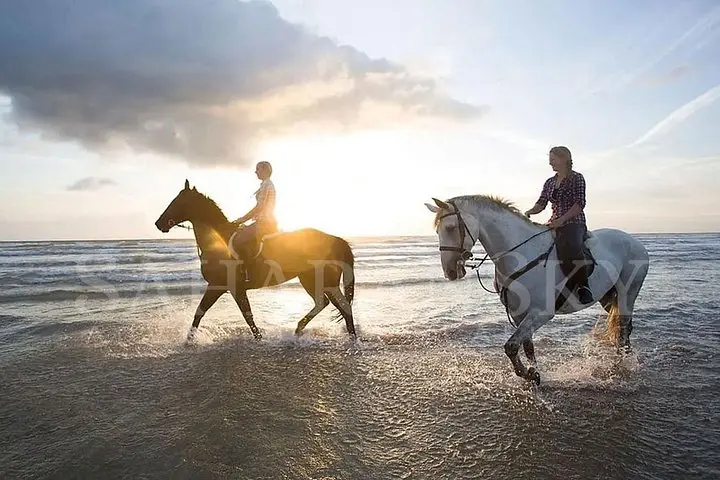
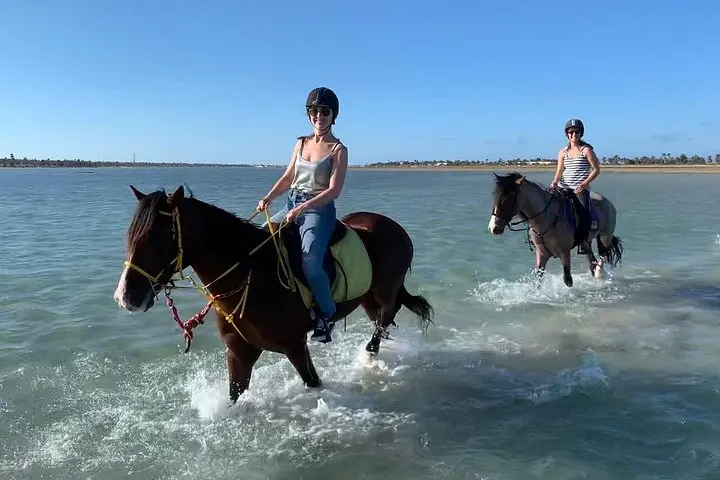
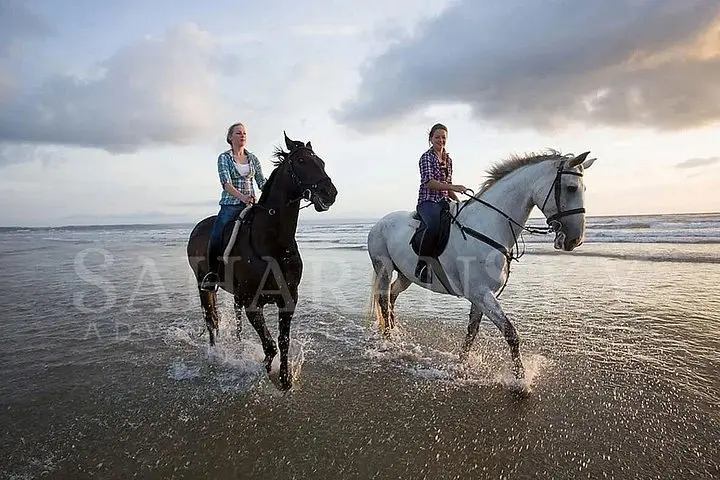
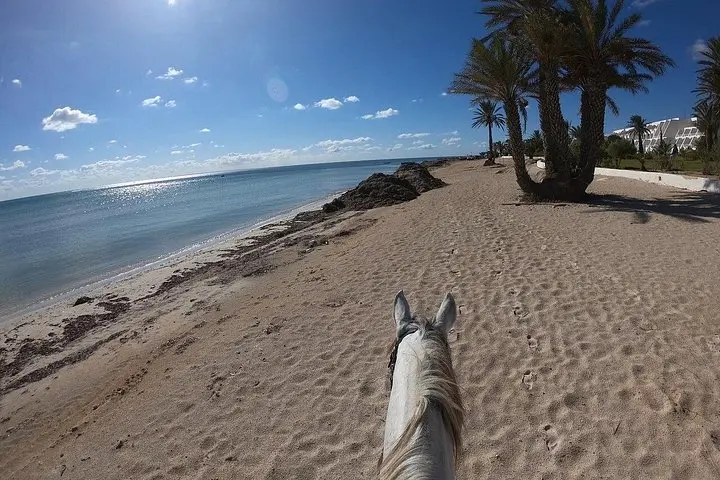
Salt air and sea-scrub open around you as the horses pick their way across low sandy tracks—prickly pears leaning in, aloe vera spines catching the light. This two-hour ride through Djerba’s lagoon country moves at a steady, approachable rhythm: slow canters and long walk sections that let you take in fishing boats on the horizon and small whitewashed villages where laundry snaps in wind.
Salt air and sea-scrub open around you as the horses pick their way across low sandy tracks—prickly pears leaning in, aloe vera spines catching the light. This two-hour ride through Djerba’s lagoon country moves at a steady, approachable rhythm: slow canters and long walk sections that let you take in fishing boats on the horizon and small whitewashed villages where laundry snaps in wind.
Djerba’s human story is layered—Berber roots, Phoenician trade, and long-standing Jewish and Arab communities—each visible in village layouts and occasional ceramic workshops. Geologically the island is low and sandy; the lagoon is a shallow, brackish shelf where migratory birds find staging grounds and the tides shape salt flats and sandbars.
Culturally, riding here feels practical rather than performative: horses are traditional working companions, and local guides steer you toward quieter paths that cut between olive groves and palm stands. Expect trails lined with hardy plants adapted to coastal heat; the landscape has a patient, stubborn character that pushes you forward more by presence than drama.
Practical guidance: rides are flat and rated easy—no advanced horsemanship required. Helmets and hotel pickup from Djerba are typically included; wear closed-toe shoes, sun protection, and bring water. Morning or late-afternoon departures avoid the midday heat and are best for birdwatching. Keep to group instructions, stick to the tracks to protect fragile dune plants, and ask guides about nearby pottery villages if you want to extend your cultural visit after the ride.