THE ADVENTURE COLLECTIVE® · Independent discovery and booking for outdoor travel

Feel the sea breeze and sand underfoot on a guided, one-hour horseback ride along Gili Air’s white beaches. Ideal for beginners and experienced riders alike, this short coastal loop offers tropical views, gentle horses, and easy logistics.
Feel the sea breeze and sand underfoot on a guided, one-hour horseback ride along Gili Air’s white beaches. Ideal for beginners and experienced riders alike, this short coastal loop offers tropical views, gentle horses, and easy logistics.
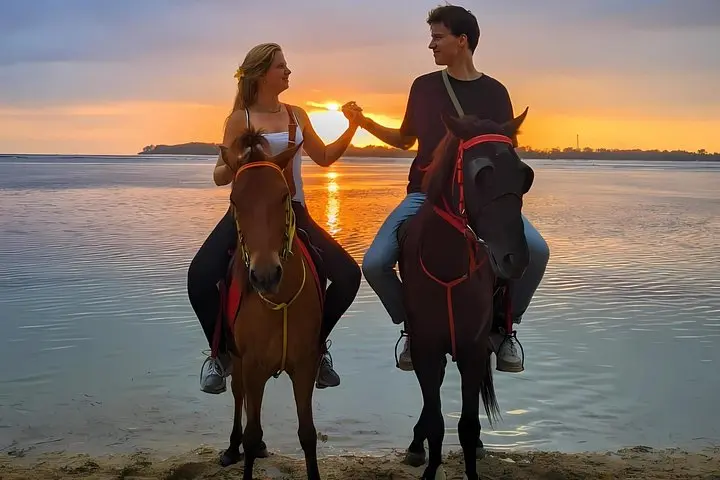
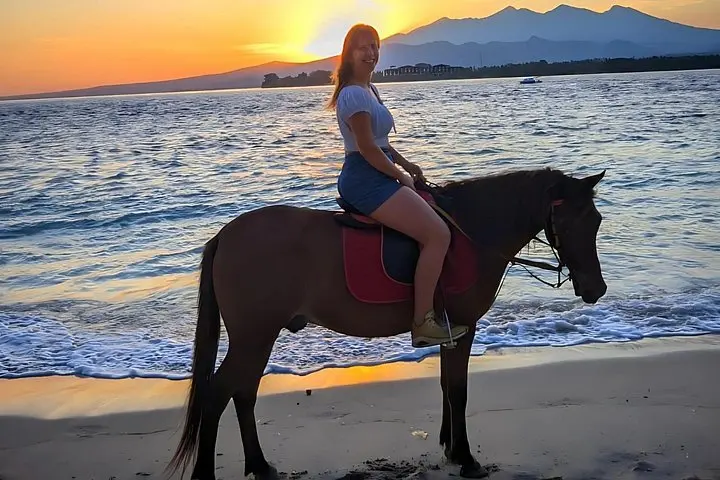
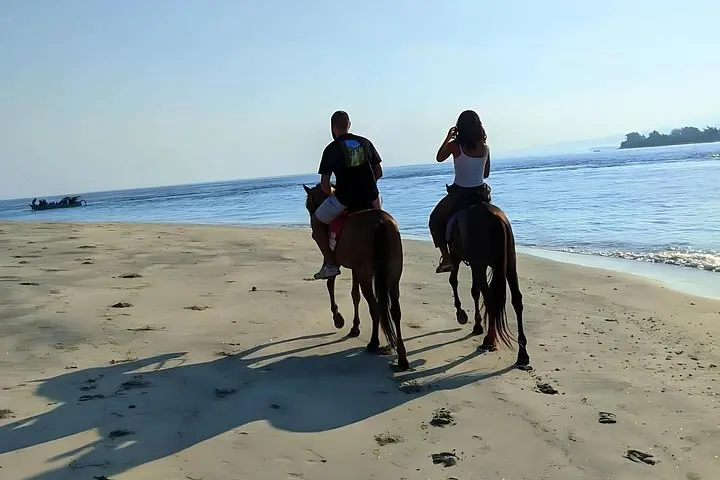
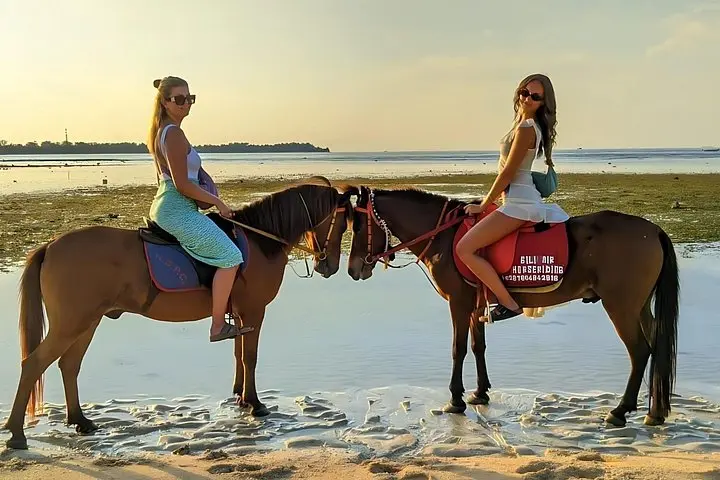
Morning light spreads across the shore and the sea breathes salt into the air as riders mount gentle, trained horses for a one-hour circuit along Gili Air's coastline. The ride moves at an even pace—walks and short trots—so the focus stays on horizon lines: coral-strewn shallows, scattered palm trunks, and a steady wind that nudges the horse forward.
Verified experiences and guided adventures in the surrounding area.
Operated by Info Ke Bali · Gili Air, West Nusa Tenggara
Morning light spreads across the shore and the sea breathes salt into the air as riders mount gentle, trained horses for a one-hour circuit along Gili Air's coastline. The ride moves at an even pace—walks and short trots—so the focus stays on horizon lines: coral-strewn shallows, scattered palm trunks, and a steady wind that nudges the horse forward.
Gili Air sits off Lombok in West Nusa Tenggara, a small volcanic archipelago shaped by coral reef growth and ocean currents rather than tall peaks. The island’s history is maritime and communal—fishing families, cidomo (horse-drawn carts) and an absence of motor vehicles mean horses and people share low-key coastal rhythms. Local guides blend this cultural context with practical horsemanship: tack checks, mount/dismount assistance and photo stops at scenic points.
Expect firm, compact sand underfoot and occasional shallow water lapping at hooves; distance covered is roughly 3–5 km depending on route, elevation change negligible at sea level. The geology is simple—reef flats, sand spits and coastal scrub—so footing is generally stable but can be uneven where coral fragments wash ashore.
Practical notes: wear closed-toe shoes, a hat, and bring sunscreen and water; rides run year-round but are best at cooler morning or late-afternoon windows to avoid midday heat. Communicate any mobility or health concerns in advance; guides prioritize safety and match paces to experience levels. This short, scenic ride is an accessible way to feel the island’s pulse—slow, seaside, and distinctly tropical.
No—this excursion accommodates beginners and experienced riders; guides set a comfortable pace and provide basic instruction.
Operators commonly ask for passenger weight and age to match horses safely—disclose this at booking and follow their guidance.
Local operators typically use trained horses and a guide accompanies every ride; ask about stabling and rest practices if animal welfare is a priority.
Rides usually continue in light rain; cancellation policies vary but storms may trigger rescheduling or refund options—confirm with the provider.
Info Ke Bali operates guided outdoor trips and adventures with an emphasis on safety, stewardship, and memorable experiences.
Morning light spreads across the shore and the sea breathes salt into the air as riders mount gentle, trained horses for a one-hour circuit along Gili Air's coastline. The ride moves at an even pace—walks and short trots—so the focus stays on horizon lines: coral-strewn shallows, scattered palm trunks, and a steady wind that nudges the horse forward.
Morning light spreads across the shore and the sea breathes salt into the air as riders mount gentle, trained horses for a one-hour circuit along Gili Air's coastline. The ride moves at an even pace—walks and short trots—so the focus stays on horizon lines: coral-strewn shallows, scattered palm trunks, and a steady wind that nudges the horse forward.
Gili Air sits off Lombok in West Nusa Tenggara, a small volcanic archipelago shaped by coral reef growth and ocean currents rather than tall peaks. The island’s history is maritime and communal—fishing families, cidomo (horse-drawn carts) and an absence of motor vehicles mean horses and people share low-key coastal rhythms. Local guides blend this cultural context with practical horsemanship: tack checks, mount/dismount assistance and photo stops at scenic points.
Expect firm, compact sand underfoot and occasional shallow water lapping at hooves; distance covered is roughly 3–5 km depending on route, elevation change negligible at sea level. The geology is simple—reef flats, sand spits and coastal scrub—so footing is generally stable but can be uneven where coral fragments wash ashore.
Practical notes: wear closed-toe shoes, a hat, and bring sunscreen and water; rides run year-round but are best at cooler morning or late-afternoon windows to avoid midday heat. Communicate any mobility or health concerns in advance; guides prioritize safety and match paces to experience levels. This short, scenic ride is an accessible way to feel the island’s pulse—slow, seaside, and distinctly tropical.