THE ADVENTURE COLLECTIVE® · Independent discovery and booking for outdoor travel

Ride a criollo horse across high Andean foothills, meet Chagra cowboys and walk among Cotopaxi’s lava fields and páramo. This day trip from Quito blends cultural insight with close-up views of one of the world’s highest active volcanoes.
Ride a criollo horse across high Andean foothills, meet Chagra cowboys and walk among Cotopaxi’s lava fields and páramo. This day trip from Quito blends cultural insight with close-up views of one of the world’s highest active volcanoes.
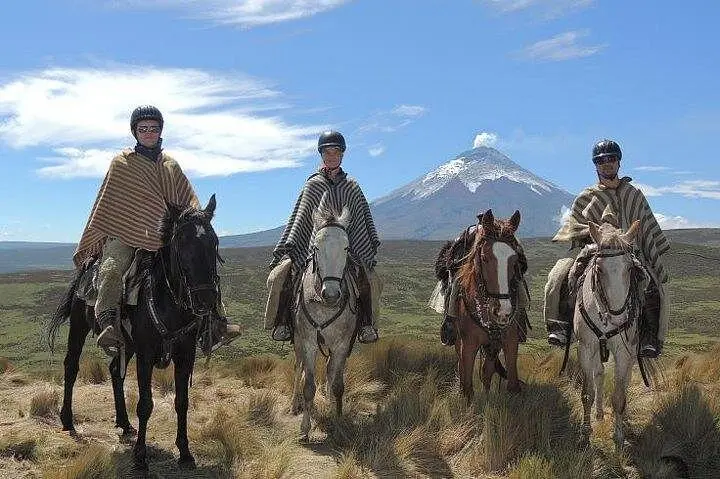
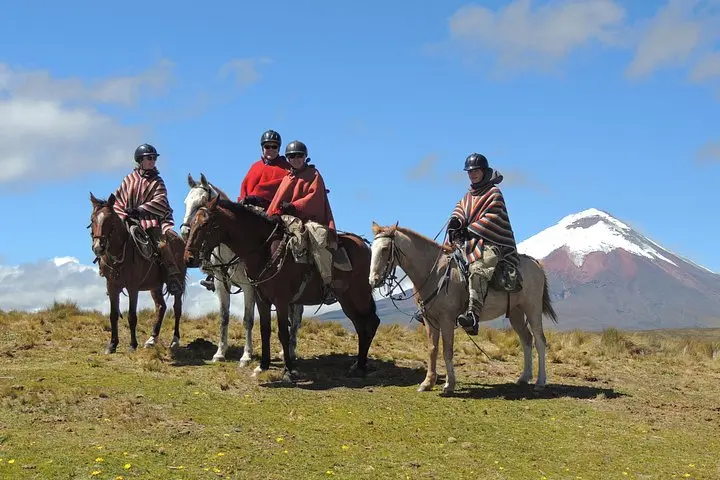
A gray-blue morning opens as you climb into the van at 7:10 a.m., the Andes breathing cold air into the windows. After an hour and a half the road drops you at a traditional hacienda on the high foothills; a canelazo warms your hands and a criollo horse waits, steady and sure. The ride threads open páramo and worn hacienda trails, the mountain—Cotopaxi—gradually revealing its snow-capped cone as you gain view.
Verified experiences and guided adventures in the surrounding area.
Operated by Ecuador Best Tours · Quito, Pichincha
A gray-blue morning opens as you climb into the van at 7:10 a.m., the Andes breathing cold air into the windows. After an hour and a half the road drops you at a traditional hacienda on the high foothills; a canelazo warms your hands and a criollo horse waits, steady and sure. The ride threads open páramo and worn hacienda trails, the mountain—Cotopaxi—gradually revealing its snow-capped cone as you gain view.
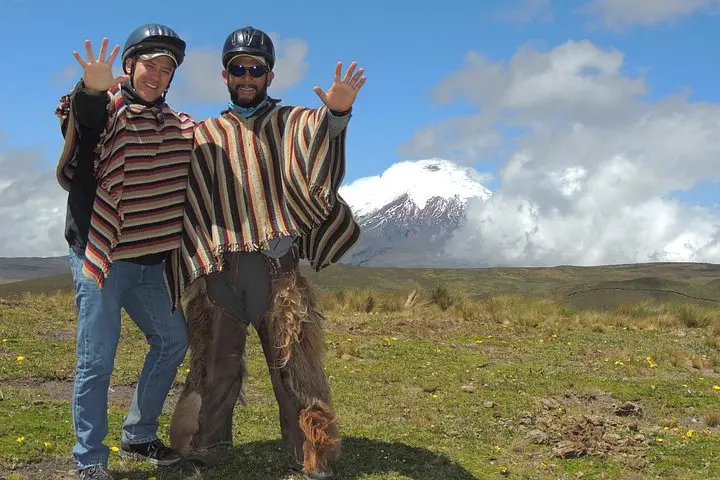
The Chagra are local horsemen whose ranching traditions shape this landscape: saddle styles, woven ponchos and a relaxed command of terrain honed over generations. Geologically, Cotopaxi is one of the planet’s highest active stratovolcanoes (5,897 m / 19,347 ft); surrounding slopes show ancient lava flows, glacial moraine and lakes that mark eruptive cycles and Andean uplift.
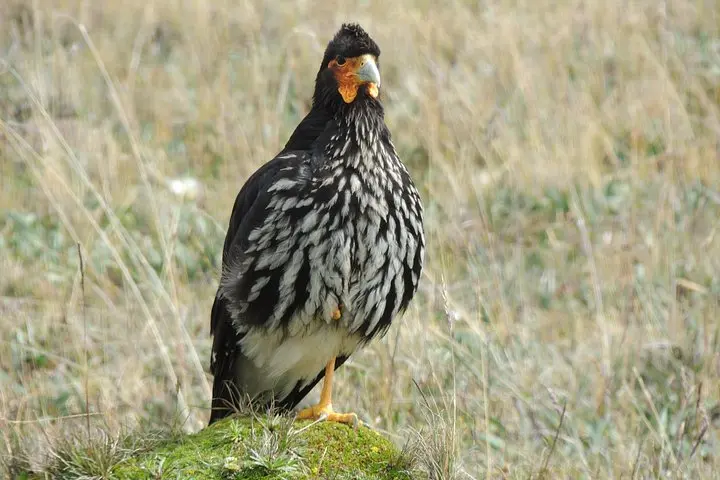
Culturally you’ll pass grazing wild horses and meet guides who explain how livestock and native plants adapt to high-altitude sun, wind and sudden weather shifts. After roughly two hours on horseback you move into Cotopaxi National Park to walk short viewpoints, scan for birds and study volcanic geology before returning to Quito by late afternoon.
Practical edge: expect dependable saddle-mounted terrain rather than technical riding; temperatures sit roughly 10–18°C (50–64°F) but drop quickly with wind or elevation. Weight limits and moderate fitness requirements apply—bring layered clothing, water and sun protection. Time your visit for clear-weather months if summit views matter, and allow a full day for travel, riding and park time.
The ride is approximately two hours over gentle to rolling foothill trails, led by local guides and suitable for riders with basic experience.
Yes—participants must weigh under 96 kilos (200 pounds) due to the horses' carrying capacity.
Visibility depends on weather; the dry season (roughly June–September) offers the clearest views, but clouds can obscure the summit any day.
Yes—private transport from Quito to El Pedregal and back is included, with a standard pickup time around 7:10 a.m.
Ecuador Best Tours operates guided outdoor trips and adventures with an emphasis on safety, stewardship, and memorable experiences.
A gray-blue morning opens as you climb into the van at 7:10 a.m., the Andes breathing cold air into the windows. After an hour and a half the road drops you at a traditional hacienda on the high foothills; a canelazo warms your hands and a criollo horse waits, steady and sure. The ride threads open páramo and worn hacienda trails, the mountain—Cotopaxi—gradually revealing its snow-capped cone as you gain view.
A gray-blue morning opens as you climb into the van at 7:10 a.m., the Andes breathing cold air into the windows. After an hour and a half the road drops you at a traditional hacienda on the high foothills; a canelazo warms your hands and a criollo horse waits, steady and sure. The ride threads open páramo and worn hacienda trails, the mountain—Cotopaxi—gradually revealing its snow-capped cone as you gain view.
The Chagra are local horsemen whose ranching traditions shape this landscape: saddle styles, woven ponchos and a relaxed command of terrain honed over generations. Geologically, Cotopaxi is one of the planet’s highest active stratovolcanoes (5,897 m / 19,347 ft); surrounding slopes show ancient lava flows, glacial moraine and lakes that mark eruptive cycles and Andean uplift.
Culturally you’ll pass grazing wild horses and meet guides who explain how livestock and native plants adapt to high-altitude sun, wind and sudden weather shifts. After roughly two hours on horseback you move into Cotopaxi National Park to walk short viewpoints, scan for birds and study volcanic geology before returning to Quito by late afternoon.
Practical edge: expect dependable saddle-mounted terrain rather than technical riding; temperatures sit roughly 10–18°C (50–64°F) but drop quickly with wind or elevation. Weight limits and moderate fitness requirements apply—bring layered clothing, water and sun protection. Time your visit for clear-weather months if summit views matter, and allow a full day for travel, riding and park time.