THE ADVENTURE COLLECTIVE® · Independent discovery and booking for outdoor travel

Ride from Cusco into Keuña forests to visit the Temple of the Moon and El Balcón del Diablo, a limestone cavern cut by a river. This 2–3 hour guided horseback tour blends Inca ritual sites, dramatic geology and beginner-friendly riding with hotel pickup.
Ride from Cusco into Keuña forests to visit the Temple of the Moon and El Balcón del Diablo, a limestone cavern cut by a river. This 2–3 hour guided horseback tour blends Inca ritual sites, dramatic geology and beginner-friendly riding with hotel pickup.
The morning opens cool in Cusco; at 9:00 a.m. a private van peels away from the colonial streets and drives 20 minutes toward the high slopes where polylepis trees hold the thin air. At the rancho you meet stocky, sure-footed horses, tighten your helmet and gloves, and set off across rutted mule tracks that climb toward the Temple of the Moon.
Verified experiences and guided adventures in the surrounding area.
Operated by Tayra Tours Adventures · Cusco, Cusco
The morning opens cool in Cusco; at 9:00 a.m. a private van peels away from the colonial streets and drives 20 minutes toward the high slopes where polylepis trees hold the thin air. At the rancho you meet stocky, sure-footed horses, tighten your helmet and gloves, and set off across rutted mule tracks that climb toward the Temple of the Moon.
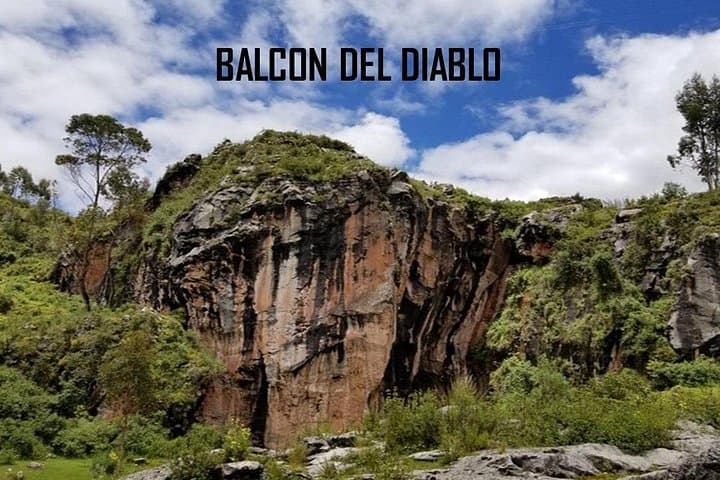
The ride threads together Inca huacas and natural geology. The Temple of the Moon is a carved rock outcrop long used for lunar rites and fertility ceremonies; nearby the so-called Monkey Temple functions as an astronomical viewpoint in local lore. Further along, limestone blocks give way to the cavern of El Balcón del Diablo, a window eroded by a river that slices through rock—an abrupt, exposed ledge that feels like standing at the lip of history.
Vegetation shifts to Keuña (polylepis) forest, an ecosystem that supports rare birds and a fragile soil layer. Local guides explain the sites’ ritual use for water and earth offerings—practices that connect Quechua culture to landscape.
Practicalities: the tour is 2–3 hours on horseback with modest elevation change but high-altitude exposure; riders of all levels can participate after a short orientation. Helmets and gloves are provided; wear sturdy boots and layered clothing for sun, wind and sudden showers. Bring water, sun protection and small cash for tips.
Respect the archaeology: stay on designated routes, avoid climbing on carved stones, and follow your guide’s instructions to minimize impact while enjoying a focused, accessible slice of Andean history.
No. A short instruction covers mounting, basic reins and safe riding; the horses are trained for novice riders.
Cusco sits around 3,400 m (11,150 ft); mild symptoms are common—drink water, rest beforehand and avoid heavy exertion the first day.
Yes—helmets and gloves are included as part of the equipment provided by the operator.
Not recommended for pregnant travelers, people with spinal or significant cardiovascular issues, or severe mobility limitations.
Tayra Tours Adventures operates guided outdoor trips and adventures with an emphasis on safety, stewardship, and memorable experiences.
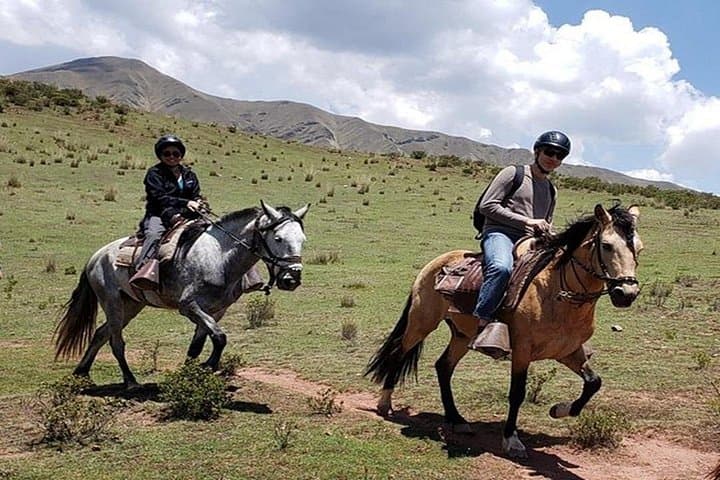
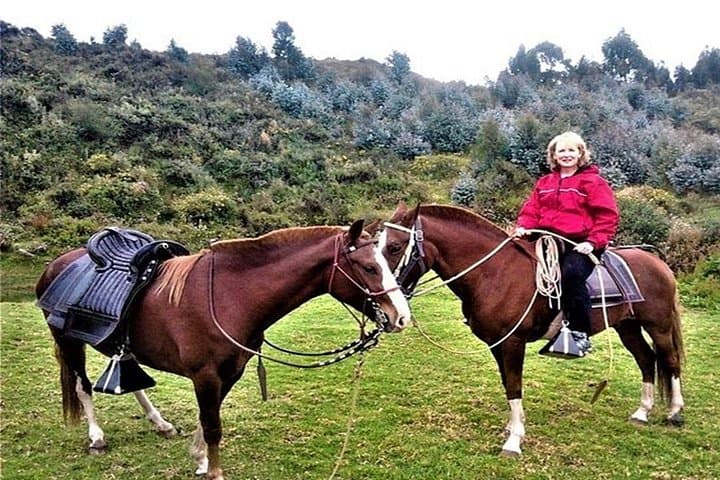
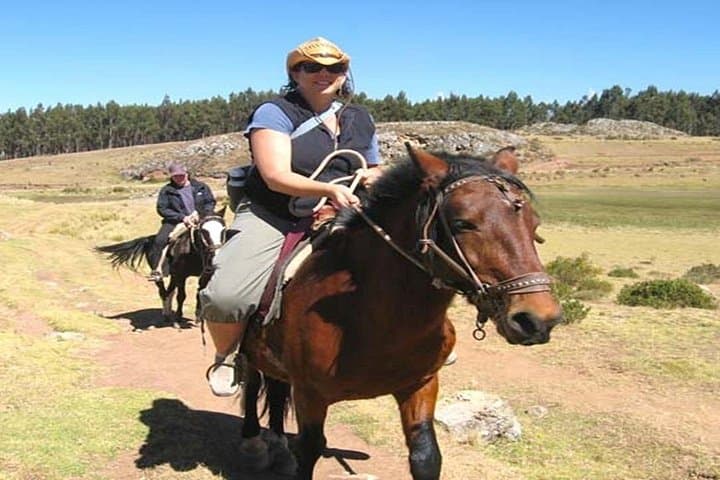
The morning opens cool in Cusco; at 9:00 a.m. a private van peels away from the colonial streets and drives 20 minutes toward the high slopes where polylepis trees hold the thin air. At the rancho you meet stocky, sure-footed horses, tighten your helmet and gloves, and set off across rutted mule tracks that climb toward the Temple of the Moon.
The morning opens cool in Cusco; at 9:00 a.m. a private van peels away from the colonial streets and drives 20 minutes toward the high slopes where polylepis trees hold the thin air. At the rancho you meet stocky, sure-footed horses, tighten your helmet and gloves, and set off across rutted mule tracks that climb toward the Temple of the Moon.
The ride threads together Inca huacas and natural geology. The Temple of the Moon is a carved rock outcrop long used for lunar rites and fertility ceremonies; nearby the so-called Monkey Temple functions as an astronomical viewpoint in local lore. Further along, limestone blocks give way to the cavern of El Balcón del Diablo, a window eroded by a river that slices through rock—an abrupt, exposed ledge that feels like standing at the lip of history.
Vegetation shifts to Keuña (polylepis) forest, an ecosystem that supports rare birds and a fragile soil layer. Local guides explain the sites’ ritual use for water and earth offerings—practices that connect Quechua culture to landscape.
Practicalities: the tour is 2–3 hours on horseback with modest elevation change but high-altitude exposure; riders of all levels can participate after a short orientation. Helmets and gloves are provided; wear sturdy boots and layered clothing for sun, wind and sudden showers. Bring water, sun protection and small cash for tips.
Respect the archaeology: stay on designated routes, avoid climbing on carved stones, and follow your guide’s instructions to minimize impact while enjoying a focused, accessible slice of Andean history.