THE ADVENTURE COLLECTIVE® · Independent discovery and booking for outdoor travel

Ride from Cusco into the high Andes to visit the experimental terraces of Moray and the salt pans of Maras. This full-day horseback trip blends cultural history, high-mountain scenery, and accessible riding for visitors who are acclimatized.
Ride from Cusco into the high Andes to visit the experimental terraces of Moray and the salt pans of Maras. This full-day horseback trip blends cultural history, high-mountain scenery, and accessible riding for visitors who are acclimatized.
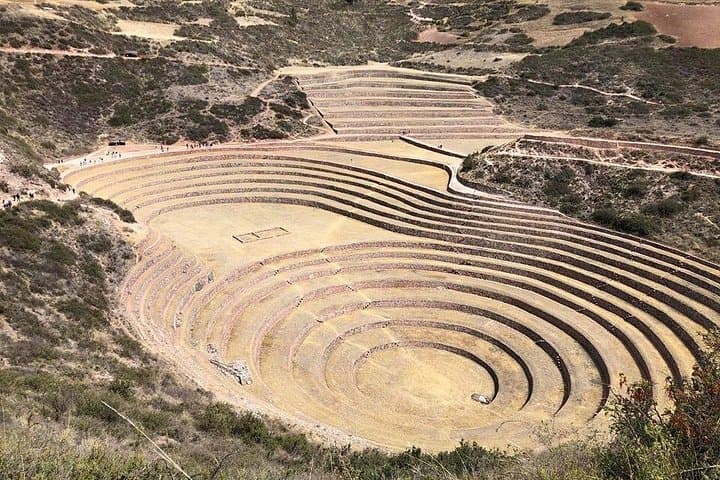
A cold morning in the Sacred Valley, the horses steam in the thin air as riders gather beneath a sky that will sharpen into mountain blue. The trail climbs out of the town of Maras, following rutted farm tracks and stone paths past potato plots, then opens to the concentric bowls of Moray—terraces carved into the earth like an amphitheater of microclimates.
Verified experiences and guided adventures in the surrounding area.
Operated by Huaynas Expeditions · Maras, Cusco Region
A cold morning in the Sacred Valley, the horses steam in the thin air as riders gather beneath a sky that will sharpen into mountain blue. The trail climbs out of the town of Maras, following rutted farm tracks and stone paths past potato plots, then opens to the concentric bowls of Moray—terraces carved into the earth like an amphitheater of microclimates.
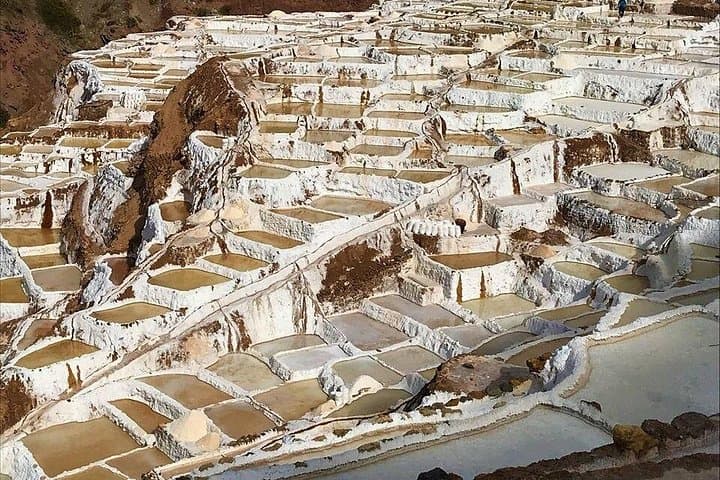
Moray and the Salineras at Maras speak to centuries of Andean ingenuity. Moray’s nested terraces were used by pre-Inca and Inca agronomists to test crop varieties at different thermal bands; the salt pans are fed by a mineral spring channeled through a network of ancient conduits still worked by local families. Geologically the zone sits on high volcanic and glacially carved uplands; the ride reaches about 3,750 m with roughly 1,000 m of vertical change on the horse’s route.
Riding here is part cultural tour, part landscape study—expect sweeping views of Chicon, Veronica and Salkantay, wildflower-speckled puna, and lakes that reflect the high peaks.
Practical guidance: the trip runs 6–7 hours with hotel pick-up from Cusco, guided in English and Spanish, and includes lunch. Terrain is mixed: compact dirt tracks, narrow single-track, and stepped terraces—good balance and basic riding experience required. Altitude matters: spend a day or two in Cusco to acclimatize, drink fluids, and bring layered clothing, sun protection, and closed-toe shoes. Helmets and saddles are provided; follow guides’ briefings and weight limits. This ride suits travelers who want a hands-on, scenic day in the high Andes without advanced technical demands.
No advanced skills are required—guides match horses to riders and provide safety instruction, but basic balance and the ability to follow directions are expected.
The route reaches around 3,750 m; travelers should acclimatize in Cusco and monitor for headache, nausea, or dizziness—inform guides of any issues immediately.
The tour includes guided visits; entrance logistics are handled by the operator as part of the itinerary, but confirm on booking for fee details.
Infants and small children may ride in a pram or lap, but the tour is not recommended for pregnant travelers or people with serious heart conditions.
Huaynas Expeditions operates guided outdoor trips and adventures with an emphasis on safety, stewardship, and memorable experiences.


A cold morning in the Sacred Valley, the horses steam in the thin air as riders gather beneath a sky that will sharpen into mountain blue. The trail climbs out of the town of Maras, following rutted farm tracks and stone paths past potato plots, then opens to the concentric bowls of Moray—terraces carved into the earth like an amphitheater of microclimates.
A cold morning in the Sacred Valley, the horses steam in the thin air as riders gather beneath a sky that will sharpen into mountain blue. The trail climbs out of the town of Maras, following rutted farm tracks and stone paths past potato plots, then opens to the concentric bowls of Moray—terraces carved into the earth like an amphitheater of microclimates.
Moray and the Salineras at Maras speak to centuries of Andean ingenuity. Moray’s nested terraces were used by pre-Inca and Inca agronomists to test crop varieties at different thermal bands; the salt pans are fed by a mineral spring channeled through a network of ancient conduits still worked by local families. Geologically the zone sits on high volcanic and glacially carved uplands; the ride reaches about 3,750 m with roughly 1,000 m of vertical change on the horse’s route.
Riding here is part cultural tour, part landscape study—expect sweeping views of Chicon, Veronica and Salkantay, wildflower-speckled puna, and lakes that reflect the high peaks.
Practical guidance: the trip runs 6–7 hours with hotel pick-up from Cusco, guided in English and Spanish, and includes lunch. Terrain is mixed: compact dirt tracks, narrow single-track, and stepped terraces—good balance and basic riding experience required. Altitude matters: spend a day or two in Cusco to acclimatize, drink fluids, and bring layered clothing, sun protection, and closed-toe shoes. Helmets and saddles are provided; follow guides’ briefings and weight limits. This ride suits travelers who want a hands-on, scenic day in the high Andes without advanced technical demands.