THE ADVENTURE COLLECTIVE® · Independent discovery and booking for outdoor travel
Experience Luxor’s West Bank from horseback—three hours of river views, desert tracks and close-up encounters with ancient necropolises. This private equestrian tour pairs easy-paced riding with expert local insight for an accessible, unforgettable way to see the tomb-lined cliffs.
Experience Luxor’s West Bank from horseback—three hours of river views, desert tracks and close-up encounters with ancient necropolises. This private equestrian tour pairs easy-paced riding with expert local insight for an accessible, unforgettable way to see the tomb-lined cliffs.
You climb into the saddle as the Nile slips by in soft light, the West Bank's ochre cliffs rising like pages of a weathered book. Hoofbeats set the pace—slow along palm-lined fields, quicker across open desert tracks—while temple silhouettes and clustered tomb mounds pin the horizon.
Verified experiences and guided adventures in the surrounding area.
Operated by Luxor Booking Tours · Luxor, Luxor Governorate
You climb into the saddle as the Nile slips by in soft light, the West Bank's ochre cliffs rising like pages of a weathered book. Hoofbeats set the pace—slow along palm-lined fields, quicker across open desert tracks—while temple silhouettes and clustered tomb mounds pin the horizon.
This ride threads modern river life with the epic story of ancient Thebes. The West Bank is home to the Valley of the Kings, the mortuary temples of the New Kingdom and funerary landscapes carved into limestone and sand. Geologically, you traverse alluvial flats and wind-polished escarpments where wind and Nile floods have shaped the terrain for millennia. Culturally, local equestrians maintain old routes once used by workers, shepherds and temple attendants.
Expect a mix of flat river trails and firmer desert sand; guides adapt pace for riders of mixed experience. Stops offer close views of cemetery slopes and riverfront farms; sunset rides give the ruins a low, angular glow that maps onto relief carvings and columns.
Practical notes: rides last about three hours—bring sun protection, a steady pair of closed-toe shoes and a light layer against evening chill. Hydrate before and during the ride; hard hats and chaps are provided when needed. Ask guides for safe photo distances near archaeological sites and follow signage—treading on fragile surfaces is prohibited. Private groups receive a tailored route and local insight, making this both an accessible introduction to riding in Egypt and an efficient way to sample the West Bank’s archaeology without crowds.
No—this private tour accommodates novices and experienced riders; guides adjust pace and provide basic instruction.
Policies vary by operator but families with older children are usually welcome; infants should sit on laps per booking notes—confirm specifics when booking.
Yes—hard hats are provided and chaps are available if required; you may bring your own helmet for comfort.
Guides keep riders to approved trails and viewpoints; you will not be taken into interior archaeological excavations to protect fragile sites.
Luxor Booking Tours operates guided outdoor trips and adventures with an emphasis on safety, stewardship, and memorable experiences.
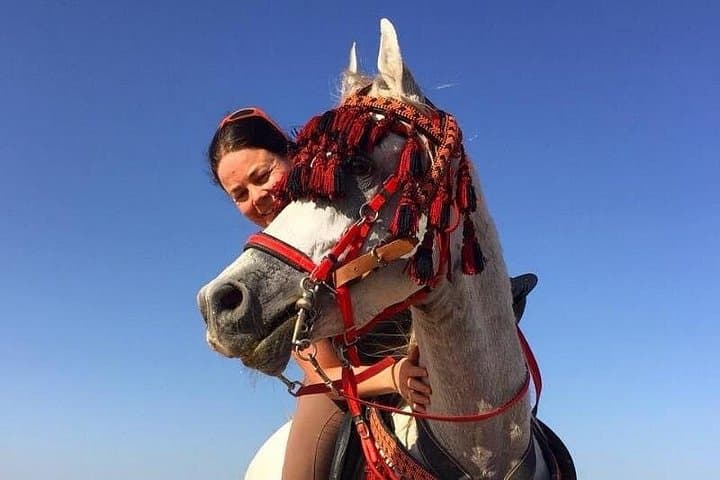
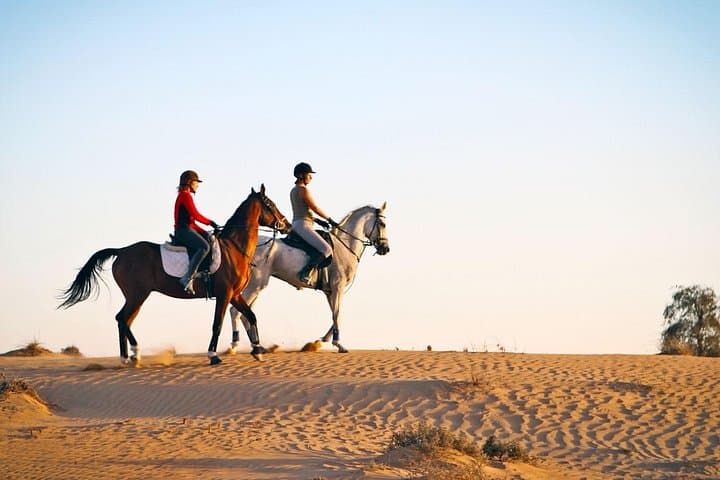
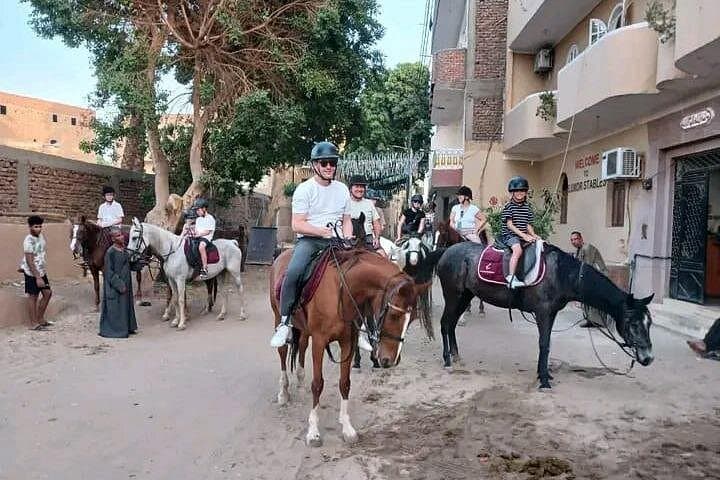
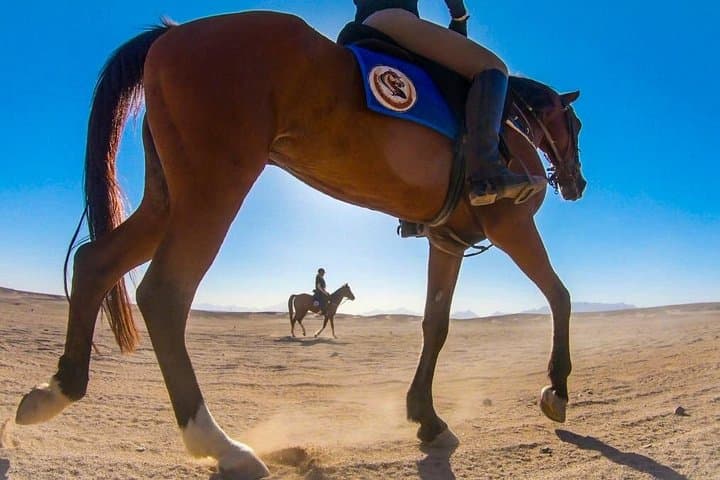
You climb into the saddle as the Nile slips by in soft light, the West Bank's ochre cliffs rising like pages of a weathered book. Hoofbeats set the pace—slow along palm-lined fields, quicker across open desert tracks—while temple silhouettes and clustered tomb mounds pin the horizon.
You climb into the saddle as the Nile slips by in soft light, the West Bank's ochre cliffs rising like pages of a weathered book. Hoofbeats set the pace—slow along palm-lined fields, quicker across open desert tracks—while temple silhouettes and clustered tomb mounds pin the horizon.
This ride threads modern river life with the epic story of ancient Thebes. The West Bank is home to the Valley of the Kings, the mortuary temples of the New Kingdom and funerary landscapes carved into limestone and sand. Geologically, you traverse alluvial flats and wind-polished escarpments where wind and Nile floods have shaped the terrain for millennia. Culturally, local equestrians maintain old routes once used by workers, shepherds and temple attendants.
Expect a mix of flat river trails and firmer desert sand; guides adapt pace for riders of mixed experience. Stops offer close views of cemetery slopes and riverfront farms; sunset rides give the ruins a low, angular glow that maps onto relief carvings and columns.
Practical notes: rides last about three hours—bring sun protection, a steady pair of closed-toe shoes and a light layer against evening chill. Hydrate before and during the ride; hard hats and chaps are provided when needed. Ask guides for safe photo distances near archaeological sites and follow signage—treading on fragile surfaces is prohibited. Private groups receive a tailored route and local insight, making this both an accessible introduction to riding in Egypt and an efficient way to sample the West Bank’s archaeology without crowds.
