THE ADVENTURE COLLECTIVE® · Independent discovery and booking for outdoor travel

Lift off from Page for a 12-minute helicopter circuit that places Lake Powell, Glen Canyon Dam, and Horseshoe Bend in one cinematic sweep. Short on time but high on reward, this flight is built for photographers and first-time visitors who want the canyon’s scale served all at once.
Lift off from Page for a 12-minute helicopter circuit that places Lake Powell, Glen Canyon Dam, and Horseshoe Bend in one cinematic sweep. Short on time but high on reward, this flight is built for photographers and first-time visitors who want the canyon’s scale served all at once.
You feel the rotorwash before you hear anything else — a low, insistent thrum that lifts the dust from the tarmac as the EcoStar EC130 settles its passengers. In the next breath the world drops away: Page becomes a patchwork of grays and reds, the Colorado River tightens into its dramatic horseshoe, and Lake Powell unfurls a labyrinthine shoreline that insists on being explored from above.
Verified experiences and guided adventures in the surrounding area.
Operated by Papillon Helicopters · Page, Arizona
You feel the rotorwash before you hear anything else — a low, insistent thrum that lifts the dust from the tarmac as the EcoStar EC130 settles its passengers. In the next breath the world drops away: Page becomes a patchwork of grays and reds, the Colorado River tightens into its dramatic horseshoe, and Lake Powell unfurls a labyrinthine shoreline that insists on being explored from above.
The flight is brief — about 12 minutes — but the perspective is compact and intense. From the wraparound windows and stadium seating you read the geology like a book: Navajo sandstone cliffs gouged by water over eons, the green-blue ribbon of the Colorado cutting a near-circular groove through the desert, and the engineered arc of Glen Canyon Dam holding back a reservoir born of 20th-century ambition. The canyon’s layered rock speaks to millions of years of uplift and erosion; the dam and lake speak to a newer, contested chapter in the region’s human history — federal projects, irrigation needs, and the voices of the Navajo Nation and environmentalists who argued over Glen Canyon’s fate.
Culturally, Page is both gateway and steward. The town services visitors to Horseshoe Bend and Antelope Canyon while sitting on ancestral Diné (Navajo) lands; pilots and guides often weave local notes into briefings about access and respect for sacred places.
Practically, the ride delivers maximum payoff in minimal time. The helicopter’s headsets keep commentary crisp, pointing out shoreline alcoves and the dam’s concrete sweep; stadium seating and oversized windows let every passenger claim an unobstructed sightline. Plan to arrive at Page Airport 30 minutes before departure for check-in and safety briefing, and expect weight and name verification at booking. Tours run subject to weather — winds, low cloud, or electrical storms will cancel flights for safety and refund policy typically requires a three-day window for full refunds.
For photographers, golden hour gives the canyon edges a warm, directional light that plays off the river’s sheen; midday emphasizes the saturated blues of Lake Powell. Bring a small camera or smartphone with a wrist strap, and stow larger backpacks in the ground crew area so the cabin stays uncluttered.
This isn’t a replacement for a hiking pilgrimage to the rim; it’s a concentrated film of landscape and history that rewrites scale. In 12 minutes you’ll see why the river keeps insisting on its own course, why the dam altered an ecosystem, and why the views from above make planning a return trip — slower, on foot or by boat — almost inevitable.
The scheduled flight time is about 12 minutes from takeoff to landing, though total visit time at the airport for check-in is longer.
Meet at Page Municipal Airport; check-in is required 30 minutes before your booked departure time.
Yes — passenger weights are collected at booking and verified at check-in to ensure safe seating balance.
Infants are allowed but must sit on an adult’s lap; disclose their age at booking.
Flights are canceled in unsafe weather; the operator typically refunds fully if cancellation occurs 3+ days before, or reschedules when possible.
Small personal items are allowed but larger bags may need to be stowed with ground crew — pack light for unobstructed views.
Papillon Helicopters operates guided outdoor trips and adventures with an emphasis on safety, stewardship, and memorable experiences.
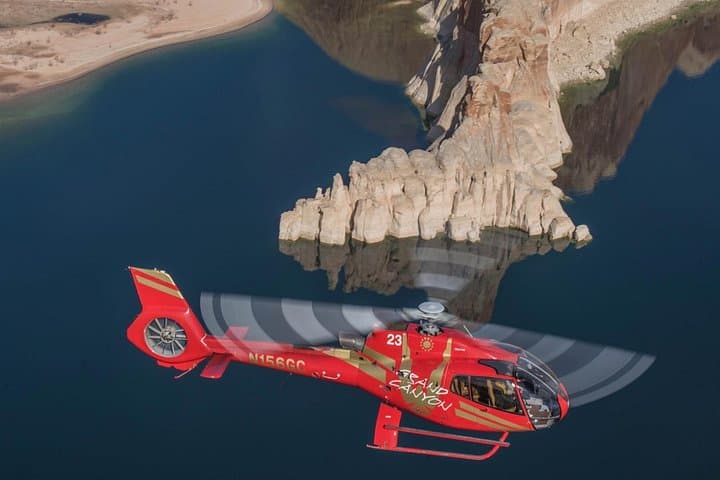
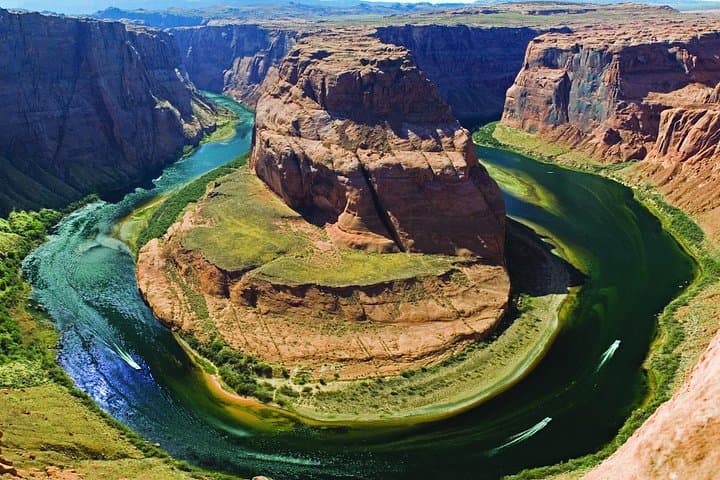
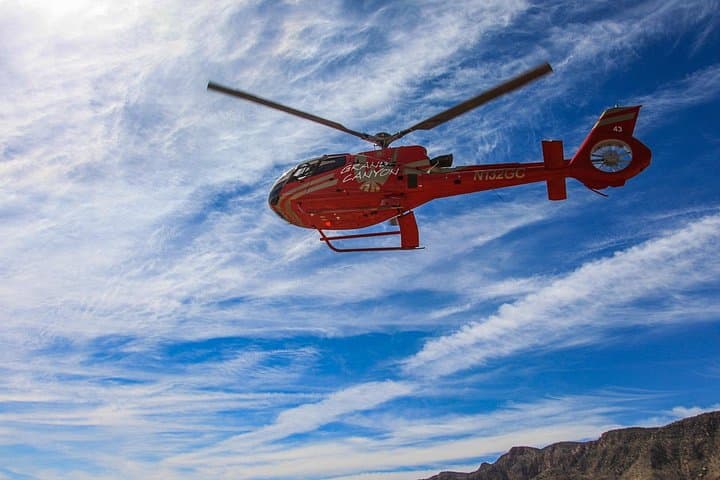
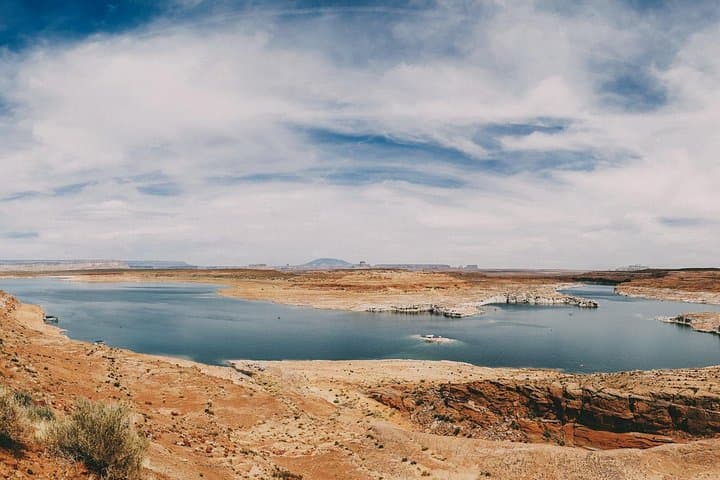
You feel the rotorwash before you hear anything else — a low, insistent thrum that lifts the dust from the tarmac as the EcoStar EC130 settles its passengers. In the next breath the world drops away: Page becomes a patchwork of grays and reds, the Colorado River tightens into its dramatic horseshoe, and Lake Powell unfurls a labyrinthine shoreline that insists on being explored from above.
You feel the rotorwash before you hear anything else — a low, insistent thrum that lifts the dust from the tarmac as the EcoStar EC130 settles its passengers. In the next breath the world drops away: Page becomes a patchwork of grays and reds, the Colorado River tightens into its dramatic horseshoe, and Lake Powell unfurls a labyrinthine shoreline that insists on being explored from above.
The flight is brief — about 12 minutes — but the perspective is compact and intense. From the wraparound windows and stadium seating you read the geology like a book: Navajo sandstone cliffs gouged by water over eons, the green-blue ribbon of the Colorado cutting a near-circular groove through the desert, and the engineered arc of Glen Canyon Dam holding back a reservoir born of 20th-century ambition. The canyon’s layered rock speaks to millions of years of uplift and erosion; the dam and lake speak to a newer, contested chapter in the region’s human history — federal projects, irrigation needs, and the voices of the Navajo Nation and environmentalists who argued over Glen Canyon’s fate.
Culturally, Page is both gateway and steward. The town services visitors to Horseshoe Bend and Antelope Canyon while sitting on ancestral Diné (Navajo) lands; pilots and guides often weave local notes into briefings about access and respect for sacred places.
Practically, the ride delivers maximum payoff in minimal time. The helicopter’s headsets keep commentary crisp, pointing out shoreline alcoves and the dam’s concrete sweep; stadium seating and oversized windows let every passenger claim an unobstructed sightline. Plan to arrive at Page Airport 30 minutes before departure for check-in and safety briefing, and expect weight and name verification at booking. Tours run subject to weather — winds, low cloud, or electrical storms will cancel flights for safety and refund policy typically requires a three-day window for full refunds.
For photographers, golden hour gives the canyon edges a warm, directional light that plays off the river’s sheen; midday emphasizes the saturated blues of Lake Powell. Bring a small camera or smartphone with a wrist strap, and stow larger backpacks in the ground crew area so the cabin stays uncluttered.
This isn’t a replacement for a hiking pilgrimage to the rim; it’s a concentrated film of landscape and history that rewrites scale. In 12 minutes you’ll see why the river keeps insisting on its own course, why the dam altered an ecosystem, and why the views from above make planning a return trip — slower, on foot or by boat — almost inevitable.