THE ADVENTURE COLLECTIVE® · Independent discovery and booking for outdoor travel

An early-morning push into Horton Plains leads to World’s End and Baker’s Falls before a hands-on visit to Pedro Tea Factory. This full-day trip pairs highland hikes with tea-culture insights—ideal for travelers with moderate fitness and a taste for scenery and history.
An early-morning push into Horton Plains leads to World’s End and Baker’s Falls before a hands-on visit to Pedro Tea Factory. This full-day trip pairs highland hikes with tea-culture insights—ideal for travelers with moderate fitness and a taste for scenery and history.
You leave Nuwara Eliya before dawn and the highland air meets you like a cool hand—clear and sharp, pushing your breath into the landscape. By sunrise the Horton Plains trail opens into broad grasslands and cloud-fed forest; the path leads past orchids and peat-soaked streams to a viewpoint called World’s End where the plateau falls away in a raw, vertical drop.
Verified experiences and guided adventures in the surrounding area.
Operated by Beyond Escapes · Nuwara Eliya, Central Province
You leave Nuwara Eliya before dawn and the highland air meets you like a cool hand—clear and sharp, pushing your breath into the landscape. By sunrise the Horton Plains trail opens into broad grasslands and cloud-fed forest; the path leads past orchids and peat-soaked streams to a viewpoint called World’s End where the plateau falls away in a raw, vertical drop.
Horton Plains sits on an uplifted Precambrian sandstone plateau shaped by ancient erosion and periodic wet seasons. The high grasslands and montane cloud forest sustain species found only in Sri Lanka’s central highlands—small lizards hunted by flycatchers, sambar deer grazing at the trail edge, and troops of toque macaques moving like knots through the trees. Later, at Pedro Tea Estate, rows of pruned tea bushes stretch down slopes that were converted from colonial-era forest to plantations during the 19th-century British tea boom; tea remains central to local livelihoods and culture.
Practical guidance: start early to avoid mid-morning cloud and crowds, carry waterproof layers—the weather changes quickly above 2,000 m—and bring at least 2 liters of water and sturdy shoes for muddy boardwalks. Expect roughly 8 hours from hotel pickup to return; moderate fitness is required for the 6–8 km guided walk across variable terrain. Respect park rules: stay on boardwalks, keep a safe distance from wildlife, and follow your guide’s instructions at steep viewpoints. End the day with a tea-factory tour and tasting that explains plucking grades and processing—an instructive close to a highland day that mixes geology, wildlife, and living agricultural history.
Yes—Horton Plains National Park fees are included in the tour price.
The guided walk is moderate: mostly well-marked trails with some uneven boardwalks and a few short uphill sections; expect 6–8 km total on the plains.
Horton Plains sits above 2,000 m; most travelers handle it fine, but those prone to breathlessness should take it slow and monitor symptoms.
Cameras are welcome; drones are typically restricted in national parks—check with your operator and local regulations before flying.
Beyond Escapes operates guided outdoor trips and adventures with an emphasis on safety, stewardship, and memorable experiences.
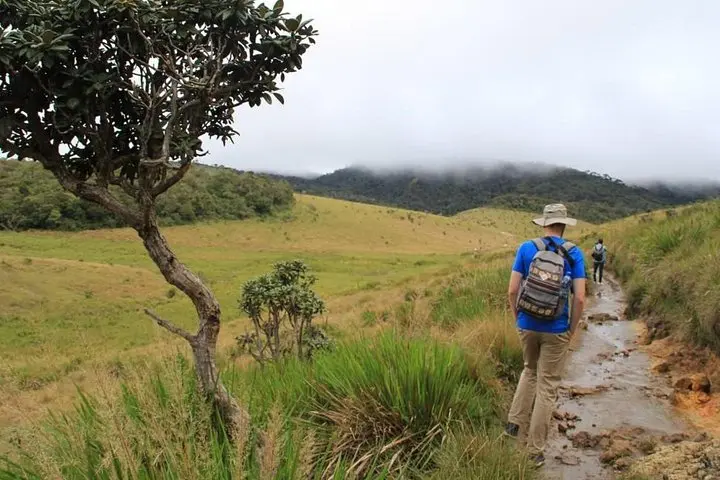
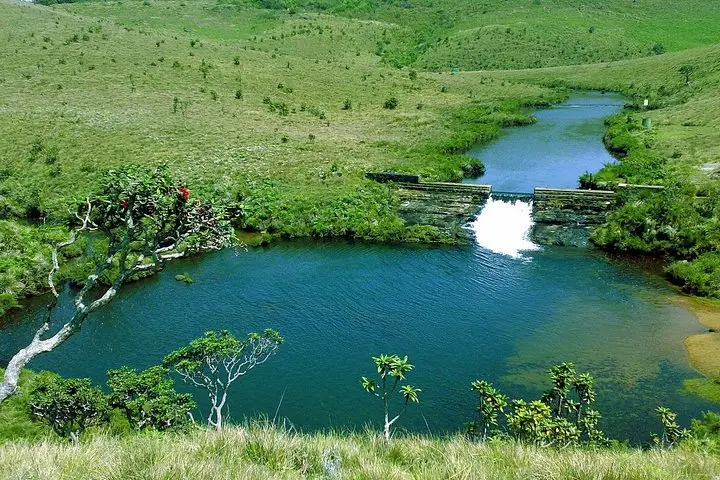
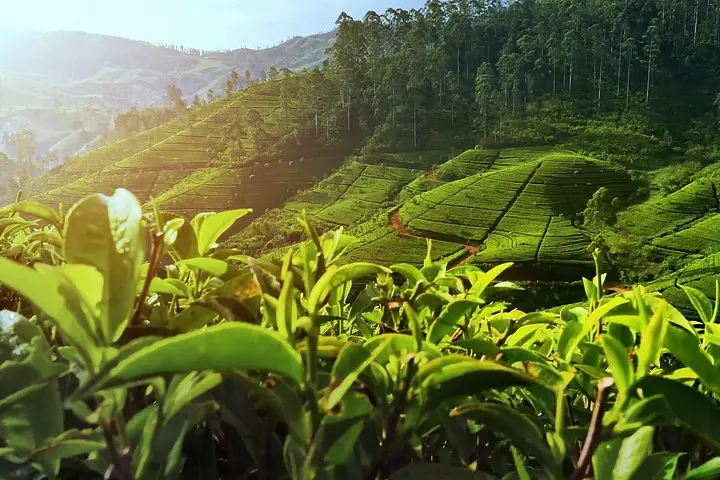

You leave Nuwara Eliya before dawn and the highland air meets you like a cool hand—clear and sharp, pushing your breath into the landscape. By sunrise the Horton Plains trail opens into broad grasslands and cloud-fed forest; the path leads past orchids and peat-soaked streams to a viewpoint called World’s End where the plateau falls away in a raw, vertical drop.
You leave Nuwara Eliya before dawn and the highland air meets you like a cool hand—clear and sharp, pushing your breath into the landscape. By sunrise the Horton Plains trail opens into broad grasslands and cloud-fed forest; the path leads past orchids and peat-soaked streams to a viewpoint called World’s End where the plateau falls away in a raw, vertical drop.
Horton Plains sits on an uplifted Precambrian sandstone plateau shaped by ancient erosion and periodic wet seasons. The high grasslands and montane cloud forest sustain species found only in Sri Lanka’s central highlands—small lizards hunted by flycatchers, sambar deer grazing at the trail edge, and troops of toque macaques moving like knots through the trees. Later, at Pedro Tea Estate, rows of pruned tea bushes stretch down slopes that were converted from colonial-era forest to plantations during the 19th-century British tea boom; tea remains central to local livelihoods and culture.
Practical guidance: start early to avoid mid-morning cloud and crowds, carry waterproof layers—the weather changes quickly above 2,000 m—and bring at least 2 liters of water and sturdy shoes for muddy boardwalks. Expect roughly 8 hours from hotel pickup to return; moderate fitness is required for the 6–8 km guided walk across variable terrain. Respect park rules: stay on boardwalks, keep a safe distance from wildlife, and follow your guide’s instructions at steep viewpoints. End the day with a tea-factory tour and tasting that explains plucking grades and processing—an instructive close to a highland day that mixes geology, wildlife, and living agricultural history.