THE ADVENTURE COLLECTIVE® · Independent discovery and booking for outdoor travel

Lift off at dawn for a 3‑hour hot air balloon experience that traces the flank of the Atlas Mountains and sails over Berber villages and wide valleys. Expect dramatic light, a traditional Moroccan breakfast after landing, and practical pre-flight requirements like weight disclosure and early-morning pickup.
Lift off at dawn for a 3‑hour hot air balloon experience that traces the flank of the Atlas Mountains and sails over Berber villages and wide valleys. Expect dramatic light, a traditional Moroccan breakfast after landing, and practical pre-flight requirements like weight disclosure and early-morning pickup.
Dawn arrives cold and sharp over the outskirts of Marrakech, and the balloon burners stutter to life like a waking giant. From the basket, the Atlas Mountains loom eastward, their ridges catching first light while Berber villages and dry wadis unfold below like a living map. The flight rises gently; valleys breathe, rivers of scrub and cultivated plots shift color, and the wind sets the pace.
Verified experiences and guided adventures in the surrounding area.
Operated by Tours Aladdina Viajeros · Marrakech, Marrakech-Safi
Dawn arrives cold and sharp over the outskirts of Marrakech, and the balloon burners stutter to life like a waking giant. From the basket, the Atlas Mountains loom eastward, their ridges catching first light while Berber villages and dry wadis unfold below like a living map. The flight rises gently; valleys breathe, rivers of scrub and cultivated plots shift color, and the wind sets the pace.
Ballooning here links to a landscape shaped by tectonics and erosion: the High Atlas formed as Africa pushed into Europe, creating steep valleys and terraces that generations of Berber farmers still work. The region’s culture is visible from above—mud-brick hamlets, irrigated plots, and stone terraces that mark centuries of local adaptation.
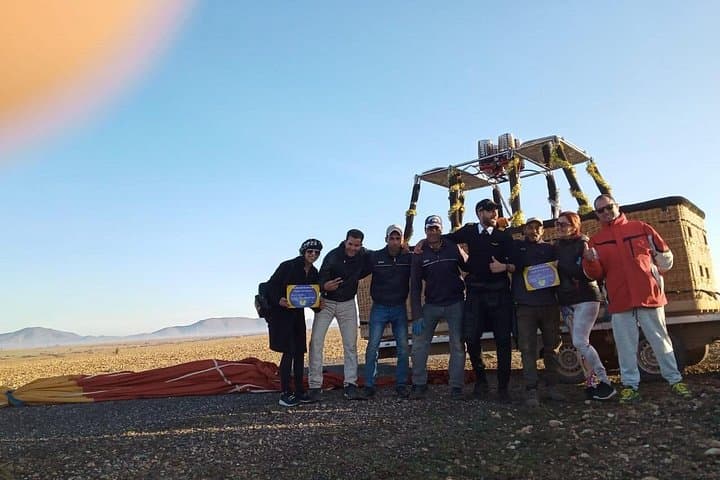
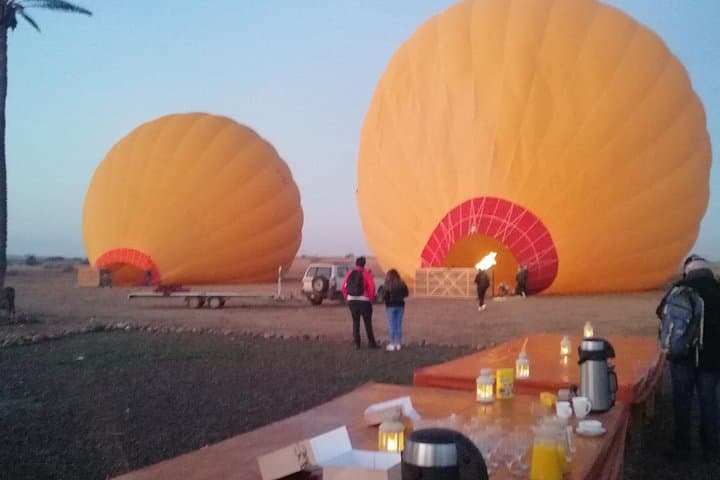
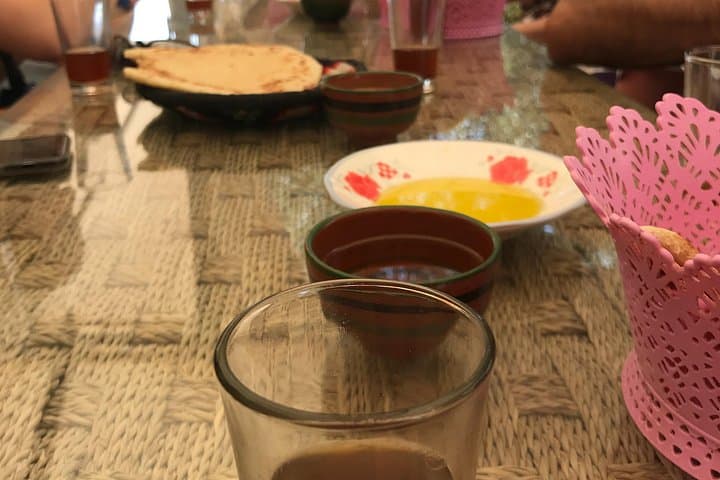
Expect wide, open panoramas and very limited shade. Pilots use morning thermals for a stable, scenic glide; landings are often in fields outside small towns where teams assist with the pack-up and a traditional Moroccan breakfast awaits—tea, fresh bread and honey, and a post-flight debrief.
Practical guidance: arrive warm—temperatures drop before sunrise and rise quickly after landing. Wear closed-toe shoes for field launches and bring a small daypack for essentials. Informers will ask weight per passenger for safe load distribution. Pregnant travelers and people with certain spinal or cardiovascular conditions should avoid this flight.
This is an observational, low-impact way to see the Atlas front and Berber landscapes. Photographers will want a fast lens for low-light takeoffs; adventurers should budget three hours total for pick-up, flight, and return. The experience is brief but expansive—flight time focused, memories long-lasting.
Typical airborne time is about 45–60 minutes within a roughly three-hour total service including pickup, inflation, and post-flight breakfast.
Many operators accept children and fit older adults case-by-case; however, those with heart, spinal, or pregnancy-related conditions should not fly per operator guidance.
Launches are usually from open fields on the outskirts of Marrakech or nearby valleys; exact sites depend on wind and weather and are chosen for safety.
No—operators typically provide a traditional Moroccan breakfast after landing as part of the experience.
Tours Aladdina Viajeros operates guided outdoor trips and adventures with an emphasis on safety, stewardship, and memorable experiences.
Dawn arrives cold and sharp over the outskirts of Marrakech, and the balloon burners stutter to life like a waking giant. From the basket, the Atlas Mountains loom eastward, their ridges catching first light while Berber villages and dry wadis unfold below like a living map. The flight rises gently; valleys breathe, rivers of scrub and cultivated plots shift color, and the wind sets the pace.
Dawn arrives cold and sharp over the outskirts of Marrakech, and the balloon burners stutter to life like a waking giant. From the basket, the Atlas Mountains loom eastward, their ridges catching first light while Berber villages and dry wadis unfold below like a living map. The flight rises gently; valleys breathe, rivers of scrub and cultivated plots shift color, and the wind sets the pace.
Ballooning here links to a landscape shaped by tectonics and erosion: the High Atlas formed as Africa pushed into Europe, creating steep valleys and terraces that generations of Berber farmers still work. The region’s culture is visible from above—mud-brick hamlets, irrigated plots, and stone terraces that mark centuries of local adaptation.
Expect wide, open panoramas and very limited shade. Pilots use morning thermals for a stable, scenic glide; landings are often in fields outside small towns where teams assist with the pack-up and a traditional Moroccan breakfast awaits—tea, fresh bread and honey, and a post-flight debrief.
Practical guidance: arrive warm—temperatures drop before sunrise and rise quickly after landing. Wear closed-toe shoes for field launches and bring a small daypack for essentials. Informers will ask weight per passenger for safe load distribution. Pregnant travelers and people with certain spinal or cardiovascular conditions should avoid this flight.
This is an observational, low-impact way to see the Atlas front and Berber landscapes. Photographers will want a fast lens for low-light takeoffs; adventurers should budget three hours total for pick-up, flight, and return. The experience is brief but expansive—flight time focused, memories long-lasting.