THE ADVENTURE COLLECTIVE® · Independent discovery and booking for outdoor travel

Move from tight basalt tunnels to a steaming mountain river in one energetic day out of Reykjavik. This guided trip pairs hands-on caving with a geothermal soak—expect crawling, scrambling, and a well-earned hot dip.
Move from tight basalt tunnels to a steaming mountain river in one energetic day out of Reykjavik. This guided trip pairs hands-on caving with a geothermal soak—expect crawling, scrambling, and a well-earned hot dip.
The morning light over the Reykjanes hills feels unapologetic: steam seams rise from the earth and a breeze carries a mineral tang that sticks to your jacket. You set out from Reykjavik in a small van with a few other travelers, the city shrinking behind you and a ragged lava landscape growing bolder. Hikers become spelunkers and then bathers over the course of one compact day — you climb, crawl, and then sink into a thermal stream that seems to sigh with relief beneath the mountain.
Verified experiences and guided adventures in the surrounding area.
Operated by G spot Iceland · Reykjavik, Capital Region
The morning light over the Reykjanes hills feels unapologetic: steam seams rise from the earth and a breeze carries a mineral tang that sticks to your jacket. You set out from Reykjavik in a small van with a few other travelers, the city shrinking behind you and a ragged lava landscape growing bolder. Hikers become spelunkers and then bathers over the course of one compact day — you climb, crawl, and then sink into a thermal stream that seems to sigh with relief beneath the mountain.
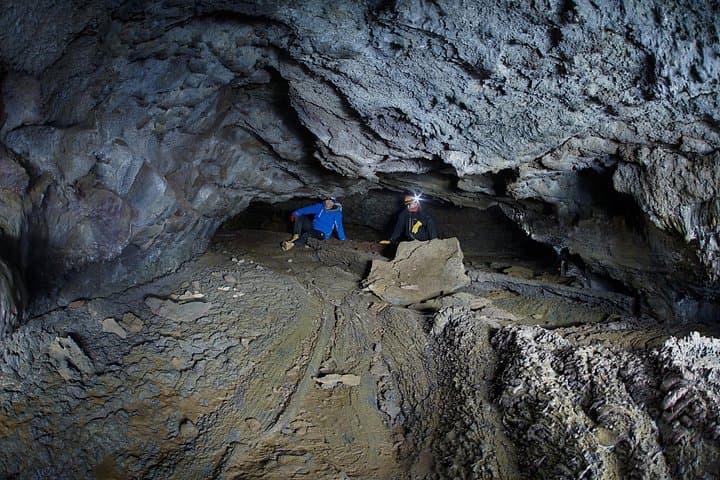
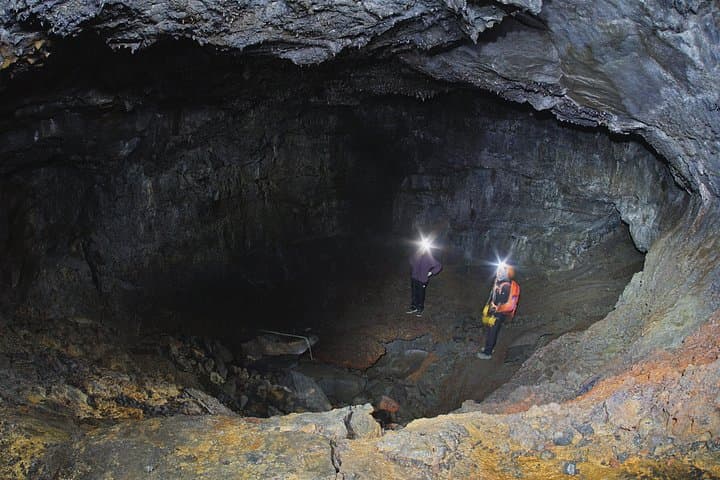
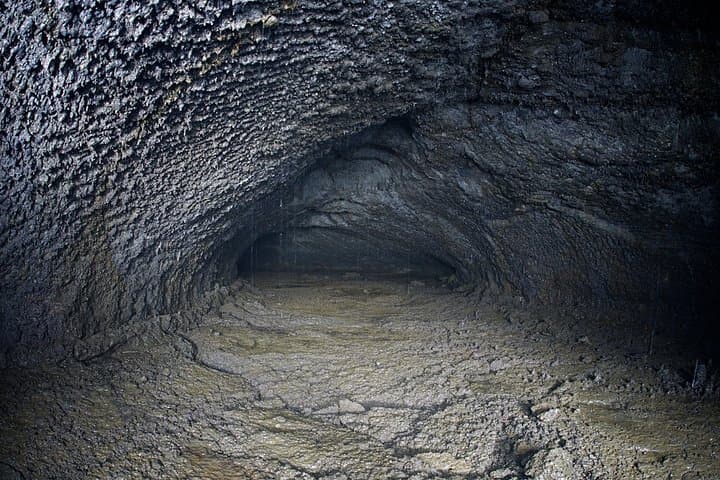
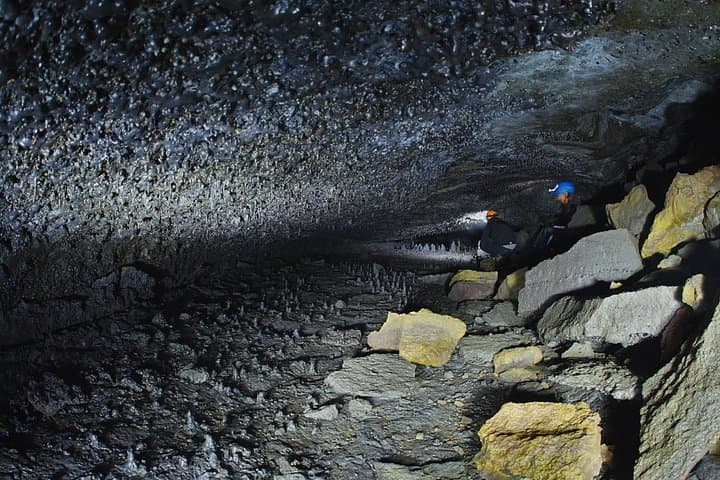
Geology here is loud. The Reykjanes Peninsula and surrounding high valleys are an exposed classroom of basalt flows, fissures, and geothermal vents formed by the Mid-Atlantic Ridge dragging Iceland apart. Many of the caves you visit are lava tubes and collapsed skylights carved during eruptions centuries ago; the hot stream is the quieter product of groundwater meeting subterranean heat. Locals have long used geothermal features for cooking, bathing, and even baking; on this tour you might taste a hot-dog warmed in steam, a blunt cultural reminder that Icelanders shape work and play around heat and cold.
The itinerary blends a 2–3 hour caving block with movement across uneven trails and a restorative 1–2 hour hot-stream stop. Expect roughly 6–10 km of walking and up to 300 m cumulative elevation gain during the day, with stretches of low crawling and tight squeezes in some caves. Guides supply helmets, headlamps, crampons when needed and insist on a progressive approach: easy tunnels first, then more technical passages if the group is capable.
On the practical side, stamina matters more than spelunking experience. You will be bending, pushing, and hauling yourself through damp rock; footwear with good ankle support is essential. The hot stream waits like a quiet reward — the water dares you to sink in, and the contrast after dank caves is immediate and surprisingly cleansing.
Timing is important. Start early to maximize daylight and to ensure access to the best caves; weather can cancel sections of the trip, and mud can make tunnels significantly harder. Bring layers and a full change of clothes in a waterproof bag, plus snacks and at least 1.5 liters of water. Respect the landscape: stay on trails, pack out waste, and avoid disturbing fragile moss and geothermal features.
This is a day for people who want physical challenge with sensory payoff — dark squeezes, basalt walls that remember lava, and finally a warm river that eases cramped shoulders. It’s not just an activity; it’s a short, sharp lesson in Iceland’s elemental forces.
You should have a moderate to good fitness level—able to hike 6–10 km, handle short steep sections, and perform crawling and scrambling for extended periods.
Caves are cool and humid; the hot stream stop is designed to warm you up, but bring warm clothes and a towel for after the soak.
Yes. Some passages require crawling and moving through low tunnels. Guides start with easy caves and progress based on group ability.
Minimum age policies vary; check with the tour operator, though most guests should be at least early teens and capable of physical exertion.
Yes, but protect it in a waterproof case and watch for low ceilings and mud; a headlamp with red-light option helps for low-impact photos.
The operator may cancel or adjust the itinerary if conditions make caves unsafe or if the hot stream is inaccessible—refund/cancellation policies apply.
G spot Iceland operates guided outdoor trips and adventures with an emphasis on safety, stewardship, and memorable experiences.
The morning light over the Reykjanes hills feels unapologetic: steam seams rise from the earth and a breeze carries a mineral tang that sticks to your jacket. You set out from Reykjavik in a small van with a few other travelers, the city shrinking behind you and a ragged lava landscape growing bolder. Hikers become spelunkers and then bathers over the course of one compact day — you climb, crawl, and then sink into a thermal stream that seems to sigh with relief beneath the mountain.
The morning light over the Reykjanes hills feels unapologetic: steam seams rise from the earth and a breeze carries a mineral tang that sticks to your jacket. You set out from Reykjavik in a small van with a few other travelers, the city shrinking behind you and a ragged lava landscape growing bolder. Hikers become spelunkers and then bathers over the course of one compact day — you climb, crawl, and then sink into a thermal stream that seems to sigh with relief beneath the mountain.
Geology here is loud. The Reykjanes Peninsula and surrounding high valleys are an exposed classroom of basalt flows, fissures, and geothermal vents formed by the Mid-Atlantic Ridge dragging Iceland apart. Many of the caves you visit are lava tubes and collapsed skylights carved during eruptions centuries ago; the hot stream is the quieter product of groundwater meeting subterranean heat. Locals have long used geothermal features for cooking, bathing, and even baking; on this tour you might taste a hot-dog warmed in steam, a blunt cultural reminder that Icelanders shape work and play around heat and cold.
The itinerary blends a 2–3 hour caving block with movement across uneven trails and a restorative 1–2 hour hot-stream stop. Expect roughly 6–10 km of walking and up to 300 m cumulative elevation gain during the day, with stretches of low crawling and tight squeezes in some caves. Guides supply helmets, headlamps, crampons when needed and insist on a progressive approach: easy tunnels first, then more technical passages if the group is capable.
On the practical side, stamina matters more than spelunking experience. You will be bending, pushing, and hauling yourself through damp rock; footwear with good ankle support is essential. The hot stream waits like a quiet reward — the water dares you to sink in, and the contrast after dank caves is immediate and surprisingly cleansing.
Timing is important. Start early to maximize daylight and to ensure access to the best caves; weather can cancel sections of the trip, and mud can make tunnels significantly harder. Bring layers and a full change of clothes in a waterproof bag, plus snacks and at least 1.5 liters of water. Respect the landscape: stay on trails, pack out waste, and avoid disturbing fragile moss and geothermal features.
This is a day for people who want physical challenge with sensory payoff — dark squeezes, basalt walls that remember lava, and finally a warm river that eases cramped shoulders. It’s not just an activity; it’s a short, sharp lesson in Iceland’s elemental forces.