THE ADVENTURE COLLECTIVE® · Independent discovery and booking for outdoor travel

Float through Amsterdam’s UNESCO-listed canal ring on a one-hour glass-roof cruise with multilingual audio narration. Pass the Skinny Bridge, the Golden Bend, and the Anne Frank House while learning the city’s maritime and mercantile history.
Float through Amsterdam’s UNESCO-listed canal ring on a one-hour glass-roof cruise with multilingual audio narration. Pass the Skinny Bridge, the Golden Bend, and the Anne Frank House while learning the city’s maritime and mercantile history.
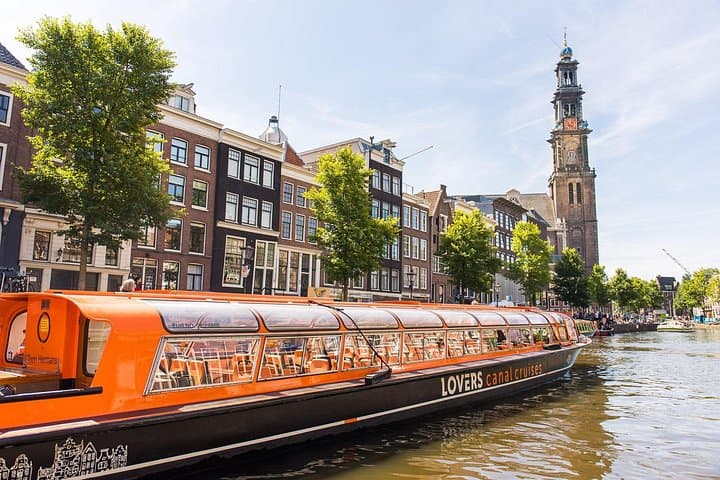
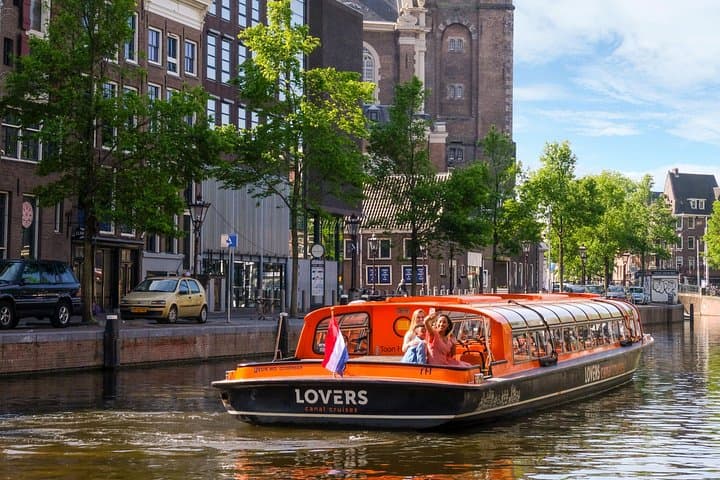
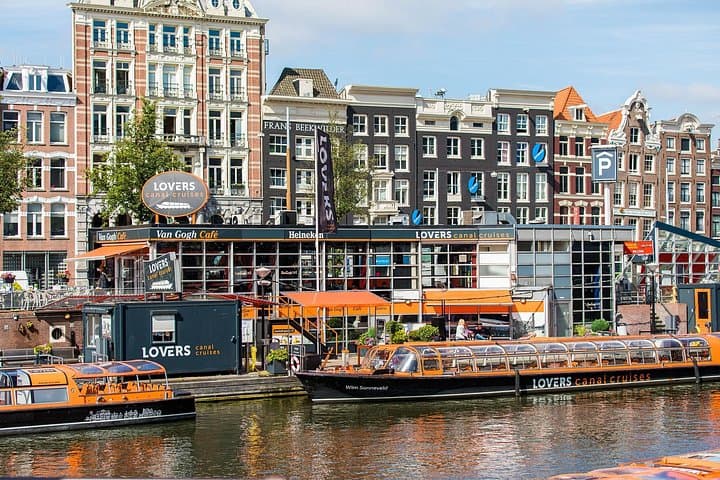
You step onto a low-slung glass-roof boat and the city exhales around you — houseboats shift like slow promises, bridges tilt their arches, and the Amstel threads the centuries through brick and stone. The canal seems to tug you forward, daring you to read its layers: merchant mansions beside narrow merchants' alleys, the occasional bicycle leaning like a quiet witness.
Verified experiences and guided adventures in the surrounding area.
Operated by Tours & Tickets · Amsterdam, North Holland
You step onto a low-slung glass-roof boat and the city exhales around you — houseboats shift like slow promises, bridges tilt their arches, and the Amstel threads the centuries through brick and stone. The canal seems to tug you forward, daring you to read its layers: merchant mansions beside narrow merchants' alleys, the occasional bicycle leaning like a quiet witness.
The canals date to Amsterdam’s 17th-century Grachtengordel, when engineers carved rings of water to expand trade and housing. That grid created the Golden Bend — the Herengracht and Keizersgracht lined with façades that held merchant wealth and now hold museums and cafés. Geologically flat reclaimed peat underpins the city; wooden piles and careful engineering keep these buildings upright. Culture in Amsterdam arrives by water: markets, church towers, and the nightly lighting of the Magere Brug add texture to the route.
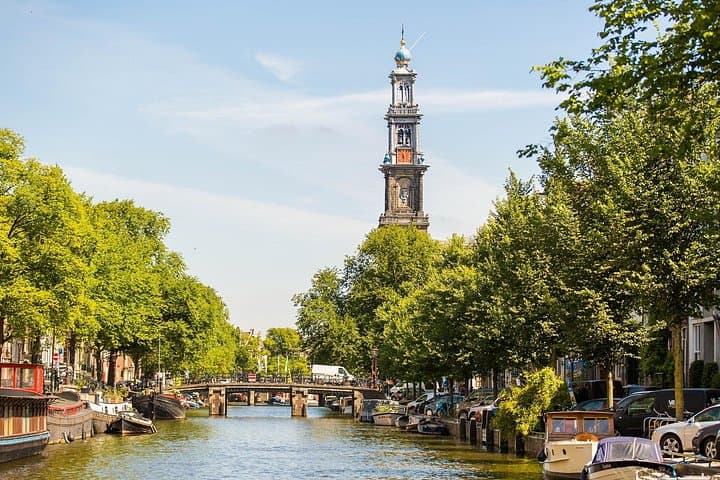
On a one-hour, glass-roof cruise you’ll hear concise audio narration in multiple languages while passing landmarks such as Westerkerk, the Anne Frank House (viewed from the water), and the quiet alleys of the 9 Straatjes. Boats run frequently from morning through early evening, offering the same city through shifting light.
Practical tips: sit in the middle on sunny days to avoid glare, pack a light rain layer, and book a slot if you need a specific departure time. The experience is low-effort and high-context — an easy, efficient way to orient yourself to Amsterdam’s waterways before you step ashore to explore further.
The tour runs approximately one hour; departures operate frequently from morning through mid-evening.
You can usually view the Anne Frank House from the water, but stops are not included — the boat passes several landmarks without disembarking.
Yes, the cruise provides audio guides in several languages; availability may vary by departure, so confirm your language when you book.
Accessibility varies by vessel; many glass-roof boats have low boarding heights but contact the operator ahead of your trip to confirm wheelchair or stroller access.
Tours & Tickets operates guided outdoor trips and adventures with an emphasis on safety, stewardship, and memorable experiences.
You step onto a low-slung glass-roof boat and the city exhales around you — houseboats shift like slow promises, bridges tilt their arches, and the Amstel threads the centuries through brick and stone. The canal seems to tug you forward, daring you to read its layers: merchant mansions beside narrow merchants' alleys, the occasional bicycle leaning like a quiet witness.
You step onto a low-slung glass-roof boat and the city exhales around you — houseboats shift like slow promises, bridges tilt their arches, and the Amstel threads the centuries through brick and stone. The canal seems to tug you forward, daring you to read its layers: merchant mansions beside narrow merchants' alleys, the occasional bicycle leaning like a quiet witness.
The canals date to Amsterdam’s 17th-century Grachtengordel, when engineers carved rings of water to expand trade and housing. That grid created the Golden Bend — the Herengracht and Keizersgracht lined with façades that held merchant wealth and now hold museums and cafés. Geologically flat reclaimed peat underpins the city; wooden piles and careful engineering keep these buildings upright. Culture in Amsterdam arrives by water: markets, church towers, and the nightly lighting of the Magere Brug add texture to the route.
On a one-hour, glass-roof cruise you’ll hear concise audio narration in multiple languages while passing landmarks such as Westerkerk, the Anne Frank House (viewed from the water), and the quiet alleys of the 9 Straatjes. Boats run frequently from morning through early evening, offering the same city through shifting light.
Practical tips: sit in the middle on sunny days to avoid glare, pack a light rain layer, and book a slot if you need a specific departure time. The experience is low-effort and high-context — an easy, efficient way to orient yourself to Amsterdam’s waterways before you step ashore to explore further.