THE ADVENTURE COLLECTIVE® · Independent discovery and booking for outdoor travel

Walk through Houston’s layered past on a five‑hour cemetery tour that blends art, local history, and quiet stories in stone. Visit Glenwood, a German burial ground, and an early African‑American cemetery while learning to read stained glass, carvings, and funerary customs.
Walk through Houston’s layered past on a five‑hour cemetery tour that blends art, local history, and quiet stories in stone. Visit Glenwood, a German burial ground, and an early African‑American cemetery while learning to read stained glass, carvings, and funerary customs.
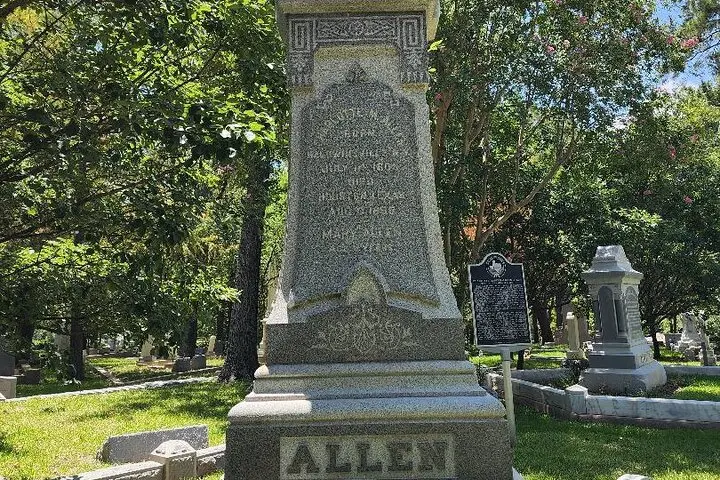
You arrive at Houston City Hall, the rotunda’s marble cool underfoot, then step into streets where live oaks lean over old stone and the city’s past gathers like shadowed pages. This five‑hour walking tour threads three distinct burial grounds — Glenwood, the larger, sculpted cemetery with rolling lawns and monumental statuary; its attached German Cemetery, marked by ethnic inscriptions; and an older African‑American cemetery whose weathered markers trace lives back before Houston’s boom.
Verified experiences and guided adventures in the surrounding area.
Operated by Houston Historical Tours - Day Tours · Houston, Texas
You arrive at Houston City Hall, the rotunda’s marble cool underfoot, then step into streets where live oaks lean over old stone and the city’s past gathers like shadowed pages. This five‑hour walking tour threads three distinct burial grounds — Glenwood, the larger, sculpted cemetery with rolling lawns and monumental statuary; its attached German Cemetery, marked by ethnic inscriptions; and an older African‑American cemetery whose weathered markers trace lives back before Houston’s boom.
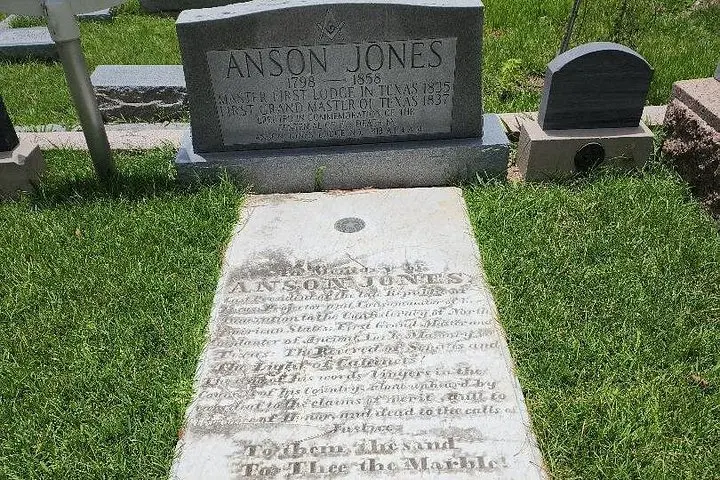
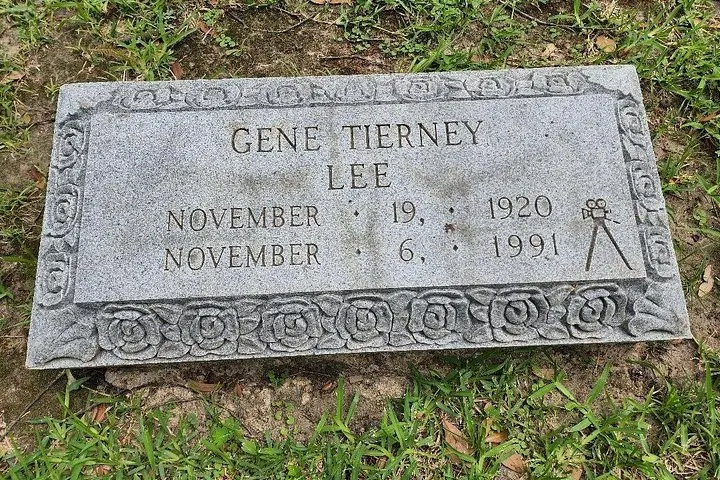
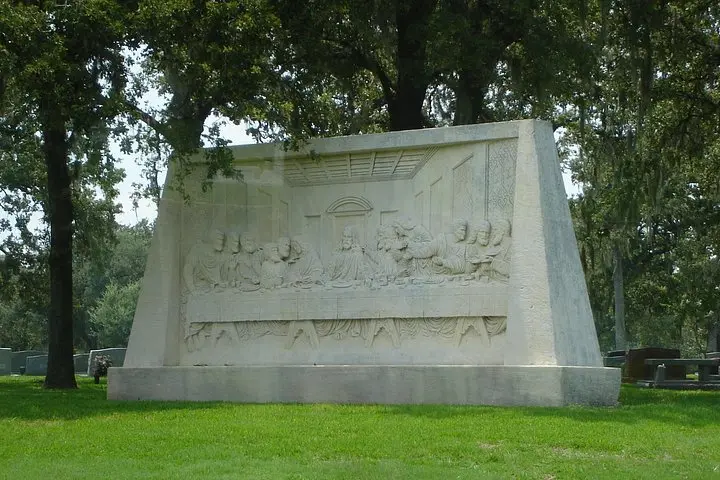
These sites lay on the Gulf Coastal Plain, where clay soils and slow drainage shaped funerary landscape and the low, flat skyline. The funerary art reflects Houston’s 19th–20th century growth: Victorian mausolea, a Tiffany stained‑glass window tucked inside a mausoleum, political figures’ plots, and folk carvings that reveal immigrant crafts and popular culture — even comic‑book iconography on modern headstones.
Culturally the tour balances art history and local memory: you’ll learn burial practices, symbolism in stone and stained glass, and how neighborhoods — German, African‑American, philanthropic families — shaped the city. Guides keep visits respectful; active services or funeral protocols may redirect the route.
Practicalities: expect flat but uneven walking on paths and grass; bring a refillable water bottle, stout walking shoes, sun protection, and a small umbrella in summer thunderstorms. Tours start at City Hall (weekdays inside the rotunda; weekends at the east bench), end at the same meeting point, and run about five hours. Photography is allowed but be discreet. If you want a focused history lesson with visual detail and local stories, this tour is a steady, immersive citywalk of memory and stone.
Meet inside the rotunda of Houston City Hall (901 Bagby Street) on weekdays; on weekends the meeting spot is the east‑side bench of City Hall. The tour returns to the same location.
The operator lists the tour as wheelchair accessible, but note some grassy or uneven sections in cemeteries may be challenging — contact the provider in advance to discuss specific needs.
The tour is suitable for children but content can be solemn; service animals are allowed, while pets should typically be left at home unless explicitly permitted by the operator.
For a full refund cancel at least 24 hours before the scheduled departure; last‑minute cancellations are not refundable.
Houston Historical Tours - Day Tours operates guided outdoor trips and adventures with an emphasis on safety, stewardship, and memorable experiences.
You arrive at Houston City Hall, the rotunda’s marble cool underfoot, then step into streets where live oaks lean over old stone and the city’s past gathers like shadowed pages. This five‑hour walking tour threads three distinct burial grounds — Glenwood, the larger, sculpted cemetery with rolling lawns and monumental statuary; its attached German Cemetery, marked by ethnic inscriptions; and an older African‑American cemetery whose weathered markers trace lives back before Houston’s boom.
You arrive at Houston City Hall, the rotunda’s marble cool underfoot, then step into streets where live oaks lean over old stone and the city’s past gathers like shadowed pages. This five‑hour walking tour threads three distinct burial grounds — Glenwood, the larger, sculpted cemetery with rolling lawns and monumental statuary; its attached German Cemetery, marked by ethnic inscriptions; and an older African‑American cemetery whose weathered markers trace lives back before Houston’s boom.
These sites lay on the Gulf Coastal Plain, where clay soils and slow drainage shaped funerary landscape and the low, flat skyline. The funerary art reflects Houston’s 19th–20th century growth: Victorian mausolea, a Tiffany stained‑glass window tucked inside a mausoleum, political figures’ plots, and folk carvings that reveal immigrant crafts and popular culture — even comic‑book iconography on modern headstones.
Culturally the tour balances art history and local memory: you’ll learn burial practices, symbolism in stone and stained glass, and how neighborhoods — German, African‑American, philanthropic families — shaped the city. Guides keep visits respectful; active services or funeral protocols may redirect the route.
Practicalities: expect flat but uneven walking on paths and grass; bring a refillable water bottle, stout walking shoes, sun protection, and a small umbrella in summer thunderstorms. Tours start at City Hall (weekdays inside the rotunda; weekends at the east bench), end at the same meeting point, and run about five hours. Photography is allowed but be discreet. If you want a focused history lesson with visual detail and local stories, this tour is a steady, immersive citywalk of memory and stone.