THE ADVENTURE COLLECTIVE® · Independent discovery and booking for outdoor travel

Walk Houston’s expansive tunnel system then ride a shuttle to Johnson Space Center for five hours of exhibits and trams. This combo saves transit hassles and times your visit to maximize the Space Center experience.
Walk Houston’s expansive tunnel system then ride a shuttle to Johnson Space Center for five hours of exhibits and trams. This combo saves transit hassles and times your visit to maximize the Space Center experience.
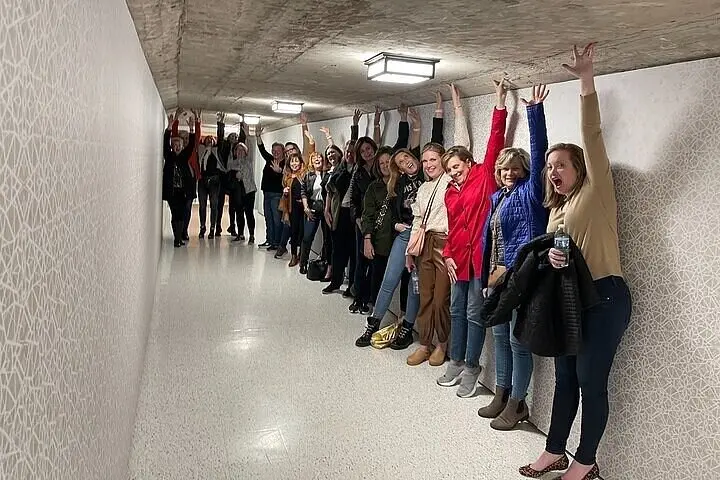
The first step is underground: you step off the tiled concourse into Houston’s downtown tunnel network and the city’s heat slips from your skin. Fluorescent light and a steady hum of HVAC guide you past corporate lobbies, public art, and the base of Texas’ tallest towers as your guide points out the original skyscraper and the oldest surviving bank building.
Verified experiences and guided adventures in the surrounding area.
Operated by Astroville Tours & Houston Charter Transportation · Houston, Texas
The first step is underground: you step off the tiled concourse into Houston’s downtown tunnel network and the city’s heat slips from your skin. Fluorescent light and a steady hum of HVAC guide you past corporate lobbies, public art, and the base of Texas’ tallest towers as your guide points out the original skyscraper and the oldest surviving bank building.
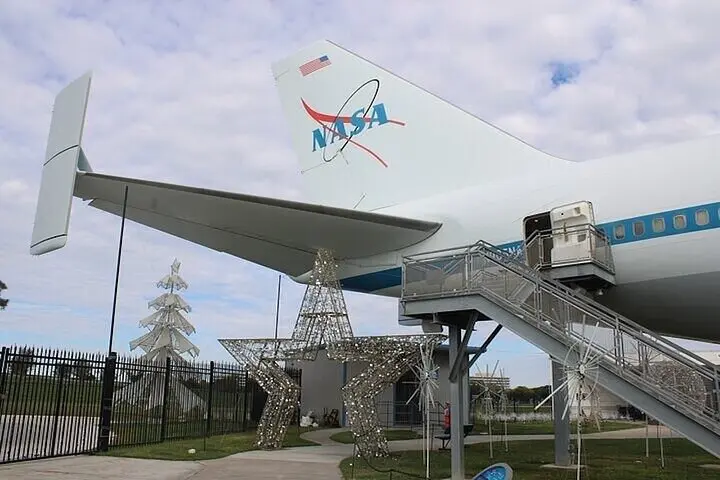
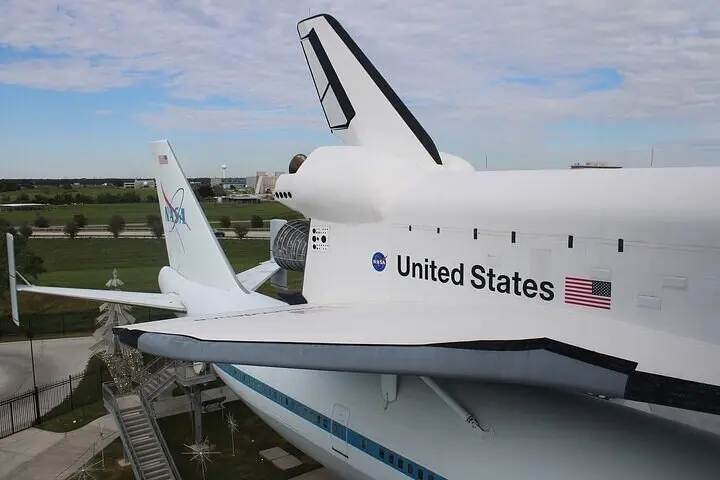
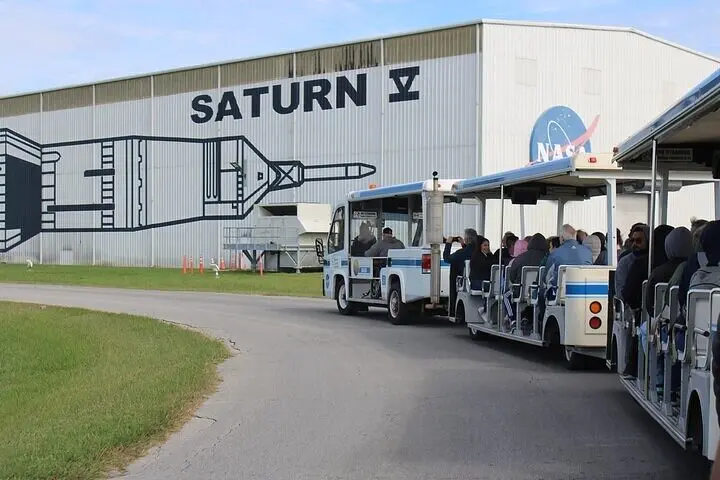
From there a comfortable shuttle carries the group east across the flat coastal plain toward Johnson Space Center — a 35–60 minute drive depending on traffic. At the Space Center the landscape changes from glass and concrete to sprawling exhibits: full-size rockets, the Independence Plaza shuttle carrier, and interactive galleries that make engineering legible to curious minds.
Houston’s tunnel system grew in stages from the early 20th century to ease pedestrian life in a humid, flood-prone city; the Johnson Space Center consolidated the region’s role in human spaceflight after NASA moved operations to Clear Lake in the 1960s. Geologically the route crosses the Gulf Coastal Plain, a low-lying landscape that channels afternoon storms and frames the city’s bayous.
Practical guidance: meet at the Bank of America Tower (800 Capitol St) 10 minutes early for check-in. Expect roughly eight hours total including about five hours at Space Center; dress for walking and variable indoor climates. Bring a refillable bottle, portable charger, and sunscreen for outdoor tram stops. If you want the Mission Control tram, reserve that in advance — tram availability is set by the Space Center. Arrive with patience: the shuttle timetable is fixed and late arrivals can miss departures.
Meet on the tunnel-level (bottom floor) of the Bank of America Tower at 800 Capitol St, Houston, 10 minutes before the listed start time.
The shuttle ride typically takes 35–60 minutes depending on downtown traffic and time of day.
Yes — tram reservations are handled through the Space Center’s ticketing site and are subject to NASA availability; book early on busy dates.
Children under six need a ticket but are welcome; tunnels and the shuttle are stroller-accessible though you’ll encounter steps and long walks at some exhibits.
Astroville Tours & Houston Charter Transportation operates guided outdoor trips and adventures with an emphasis on safety, stewardship, and memorable experiences.
The first step is underground: you step off the tiled concourse into Houston’s downtown tunnel network and the city’s heat slips from your skin. Fluorescent light and a steady hum of HVAC guide you past corporate lobbies, public art, and the base of Texas’ tallest towers as your guide points out the original skyscraper and the oldest surviving bank building.
The first step is underground: you step off the tiled concourse into Houston’s downtown tunnel network and the city’s heat slips from your skin. Fluorescent light and a steady hum of HVAC guide you past corporate lobbies, public art, and the base of Texas’ tallest towers as your guide points out the original skyscraper and the oldest surviving bank building.
From there a comfortable shuttle carries the group east across the flat coastal plain toward Johnson Space Center — a 35–60 minute drive depending on traffic. At the Space Center the landscape changes from glass and concrete to sprawling exhibits: full-size rockets, the Independence Plaza shuttle carrier, and interactive galleries that make engineering legible to curious minds.
Houston’s tunnel system grew in stages from the early 20th century to ease pedestrian life in a humid, flood-prone city; the Johnson Space Center consolidated the region’s role in human spaceflight after NASA moved operations to Clear Lake in the 1960s. Geologically the route crosses the Gulf Coastal Plain, a low-lying landscape that channels afternoon storms and frames the city’s bayous.
Practical guidance: meet at the Bank of America Tower (800 Capitol St) 10 minutes early for check-in. Expect roughly eight hours total including about five hours at Space Center; dress for walking and variable indoor climates. Bring a refillable bottle, portable charger, and sunscreen for outdoor tram stops. If you want the Mission Control tram, reserve that in advance — tram availability is set by the Space Center. Arrive with patience: the shuttle timetable is fixed and late arrivals can miss departures.