THE ADVENTURE COLLECTIVE® · Independent discovery and booking for outdoor travel

Hear Ferguson & Shamamian partner Scott Sottile unpack fifteen transformative restorations in a focused one-hour talk at Festival Hall. Learn how preservation, modern systems, and Lowcountry climate considerations shape long-lived houses in Charleston.
Hear Ferguson & Shamamian partner Scott Sottile unpack fifteen transformative restorations in a focused one-hour talk at Festival Hall. Learn how preservation, modern systems, and Lowcountry climate considerations shape long-lived houses in Charleston.
Book with Drayton Hall Preservation Trust
Verified experiences and guided adventures in the surrounding area.
Operated by Drayton Hall Preservation Trust · Charleston, South Carolina
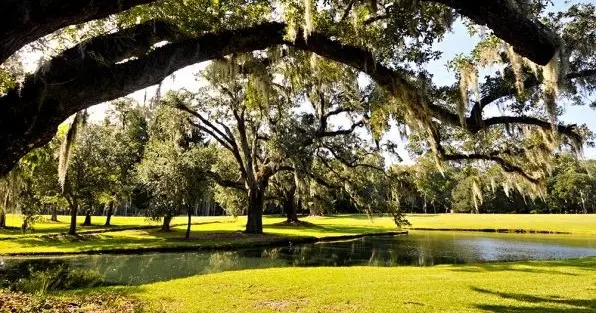
On a narrow live-oak lined block in Charleston’s historic district, Creation Through Change: Designing Houses that Leave Enduring Legacies gathers curious visitors at Festival Hall, 56 Beaufain Street, Charleston, SC. This compact one-hour presentation features Ferguson & Shamamian Architects and partner Scott Sottile, who opens the firm’s new book Transformations through detailed case studies of fifteen private residences including Gray Gardens, Lasata, and a sensitively expanded Palm Beach villa. The session blends storytelling with technical explanation: how classical proportion and modern building science meet, which materials survive coastal conditions, and why small design choices determine a house’s longevity. Charleston’s Lowcountry setting is an active participant in these conversations. Salt air, humidity, live oak canopies, and shifting light influence preservation strategies and material selection; expect references to wood framing, lime mortar repairs, historically informed sash replacements, and discrete mechanical upgrades. The talk highlights unique architectural features—hooded dormers, piazzas, deep eaves—and explores how those elements perform over decades when cared for with attention and restraint. What distinguishes this program is its balance of cultural context and construction-level clarity. Gray Gardens and Lasata arrive with layered narratives of American social and architectural history, and listening to Sottile connect those stories to tangible interventions makes the past legible. Attendees come away with concrete frameworks for decision making: when to conserve fabric, when to reconstruct lost elements, and how to adapt a historic plan for contemporary living without erasing provenance. For travelers, this event doubles as a lens onto Charleston itself. The city’s streets and civic memory are shaped by ongoing preservation work; the talk functions like a field guide to reading that work on façades and in public spaces. Practicalities are simple: meet at Festival Hall for a seated lecture with projected images; bring a notebook, comfortable shoes for the short walk to the venue, and questions prepared for the Q&A. Accessibility information is not detailed in the listing, so contact the organizer if you need assistance. This is a rare chance to hear from a firm renowned for projects that respect lineage while solving present needs. Whether you’re an architect, a homeowner thinking about renovation, or a curious visitor who appreciates how buildings accrue meaning, the presentation offers actionable ideas and a richer way to look at Charleston’s architectural landscape. Expect opportunities to ask about maintenance cycles, insurance considerations for historic properties, and strategies for sourcing period-appropriate materials. The talk also touches on landscape relationships—how old oaks, brick alleys, and coastal gardens affect building siting and drainage. If you plan to explore afterward, nearby King Street and the Battery offer direct examples referenced during the talk, turning lecture themes into an immediate, walkable study of Charleston’s living architectural fabric and local preservation practice.
The event runs approximately one hour, including time for slides and a short Q&A with Scott Sottile.
Meet at Festival Hall, 56 Beaufain Street, Charleston, SC; the listing states this as the check-in point.
Content is geared toward adults interested in architecture and preservation; older teens with interest may enjoy it, but it is not designed as a children’s program.
The listing does not specify accessibility details; contact the organizer ahead of time to request accommodations or confirm access.
Yes—book through the FareHarbor referral link provided in the listing to secure your seat, as space is limited.
The session focuses on case studies and principles; bring a notebook or camera to capture details, and ask about further resources during the Q&A.
Drayton Hall Preservation Trust stewards Drayton Hall, a nationally significant historic property located on the Ashley River in Charleston, South Carolina. The Trust preserves America’s earliest unrestored Palladian house—often described as the nation's oldest preserved plantation house—and interprets its architectural, cultural, and archaeological stories for the public. Programming includes daily and seasonal guided tours such as the one-hour Signature Experience Tour that visits the cellar, main, and second floors and features the Steven and Laura Gates Exhibit Gallery and the Lenhardt Courtyard Garden. Educator-led Student House Tours provide 45–60 minute curriculum-based experiences exploring African American history, architectural preservation, and onsite archaeology. Evening offerings range from Candlelight Tours that illuminate 18th-century spaces to special events like Drayton Hall at Night with live lawn music and archaeological presentations. Seasonal and community events include the popular Annual Deck the Hall Oyster Roast, holiday concerts such as African American Spirituals with Ann Caldwell and The Magnolia Singers, and hands-on workshops like the Wreath Building Workshop led by local florist Lela Solomon. The Trust also collaborates with nearby institutions to offer combination itineraries—for example, joint tours and package days with Middleton Place and Charleston Strolls walking tours—giving visitors economical ways to experience Lowcountry gardens, houses, and historic streets. Interpreters and guides emphasize preservation, authenticity, and historical context. Many ticketed experiences have limited capacity, so visitors are encouraged to book in advance to secure a place. Public programming supports conservation of the house, landscape, and archaeological collections through admission and membership, and community engagement efforts nationwide.


Book with Drayton Hall Preservation Trust