THE ADVENTURE COLLECTIVE® · Independent discovery and booking for outdoor travel
Lower Antelope Canyon in Page, AZ, is a tight, V-shaped slot canyon managed by the Navajo Nation and best seen with a timed ticket and guide. This concise guide covers when to go, what to expect on the half-mile route, and how to prepare for the light and the rules.
Lower Antelope Canyon in Page, AZ, is a tight, V-shaped slot canyon managed by the Navajo Nation and best seen with a timed ticket and guide. This concise guide covers when to go, what to expect on the half-mile route, and how to prepare for the light and the rules.
Dust lifts from the parking lot as your group gathers under the wide Arizona sky; the canyon mouth pinches to a shadowed throat and the sandstone seems to breathe. Lower Antelope Canyon is a walk through a living sculpture — walls curve and stack, light slips in like a slowly moving skylight, and the narrow V-shaped passage pushes you forward.
Verified experiences and guided adventures in the surrounding area.
Operated by Scenic Bend · Page, Arizona
Dust lifts from the parking lot as your group gathers under the wide Arizona sky; the canyon mouth pinches to a shadowed throat and the sandstone seems to breathe. Lower Antelope Canyon is a walk through a living sculpture — walls curve and stack, light slips in like a slowly moving skylight, and the narrow V-shaped passage pushes you forward.
Carved by millennia of flash floods in Navajo sandstone, the canyon sits on Navajo Nation land and is managed by local guides whose stories and stewardship frame the visit. Geologically, the slot formed from erosion of the Kayenta and Navajo Sandstone layers; culturally, this is a place of Navajo significance where permits and respectful behavior are required.
Visitors should expect steep steps, short climbs and tight squeezes rather than a flat promenade; the route is about a half-mile of winding passages and takes roughly 1.5 hours including check-in. Lighting favors early morning and late morning for photographs; mid-day can produce dramatic shafts on clear days. Photography is allowed but tripods, monopods, selfie sticks and large camera rigs are prohibited — a compact setup and patience are your best tools.
Practical details matter: arrive 45–60 minutes early to check in at the designated box office, bring water (there are no services at the site), and wear sturdy closed-toe shoes with good traction. Be prepared for temperature swings between sun-exposed lot and shaded canyon floor, and follow your guide’s directions — they control pace and protect fragile rock.
Lower Antelope is short on distance but large in experience: a concentrated, sensory canyon that rewards careful timing, steady footing and a respectful attitude toward a place both fragile and fiercely beautiful.
Total duration is about 1.5 hours including 30 minutes for check-in; arrive 45–60 minutes before your ticketed time to complete registration.
No — tripods, monopods, selfie sticks, GoPros and camcorders are prohibited. Photography is allowed with handheld cameras and phones.
No; the route includes stairs, narrow passages and uneven footing and is not suitable for wheelchairs or strollers.
Admission and Navajo Nation permit fees are included; expect Navajo sales tax and permit charges reflected in the ticket price.
Scenic Bend operates guided outdoor trips and adventures with an emphasis on safety, stewardship, and memorable experiences.

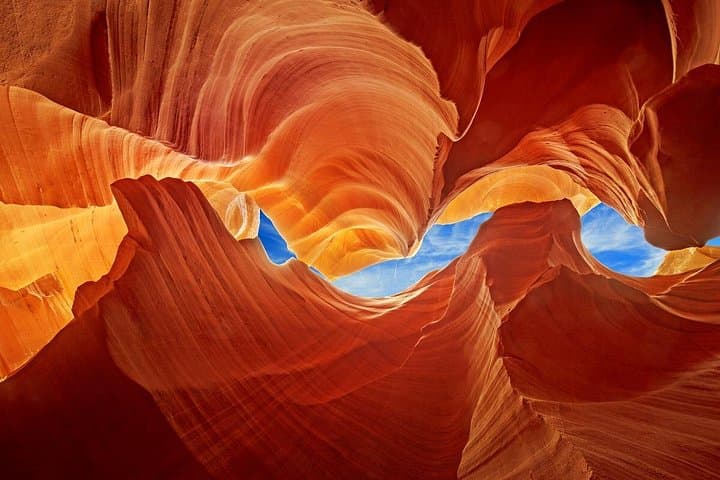
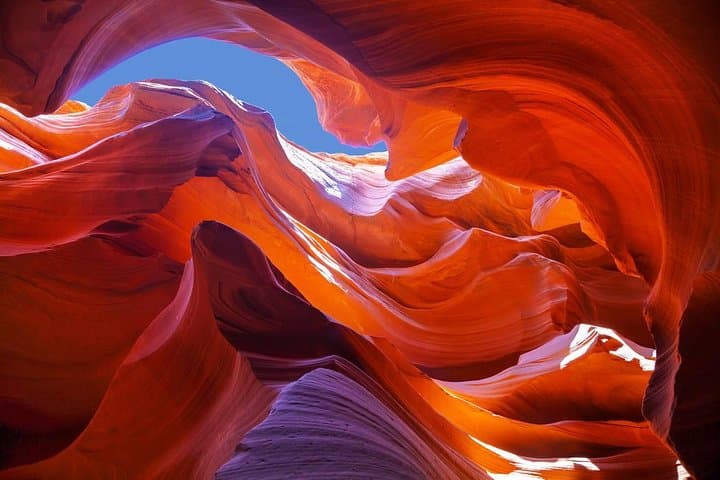
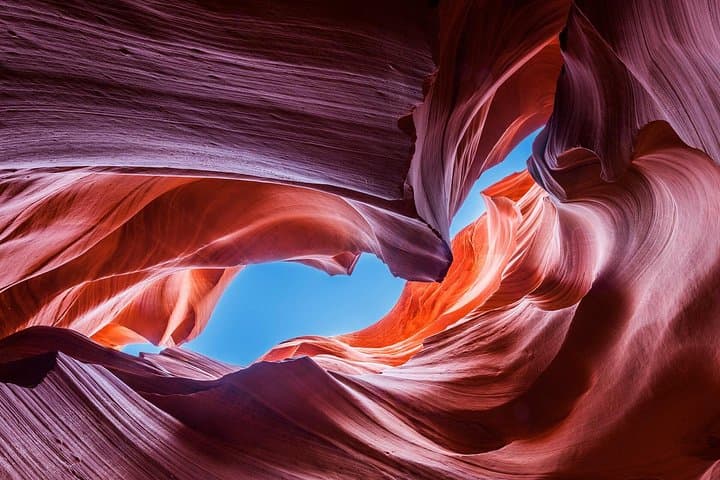
Dust lifts from the parking lot as your group gathers under the wide Arizona sky; the canyon mouth pinches to a shadowed throat and the sandstone seems to breathe. Lower Antelope Canyon is a walk through a living sculpture — walls curve and stack, light slips in like a slowly moving skylight, and the narrow V-shaped passage pushes you forward.
Dust lifts from the parking lot as your group gathers under the wide Arizona sky; the canyon mouth pinches to a shadowed throat and the sandstone seems to breathe. Lower Antelope Canyon is a walk through a living sculpture — walls curve and stack, light slips in like a slowly moving skylight, and the narrow V-shaped passage pushes you forward.
Carved by millennia of flash floods in Navajo sandstone, the canyon sits on Navajo Nation land and is managed by local guides whose stories and stewardship frame the visit. Geologically, the slot formed from erosion of the Kayenta and Navajo Sandstone layers; culturally, this is a place of Navajo significance where permits and respectful behavior are required.
Visitors should expect steep steps, short climbs and tight squeezes rather than a flat promenade; the route is about a half-mile of winding passages and takes roughly 1.5 hours including check-in. Lighting favors early morning and late morning for photographs; mid-day can produce dramatic shafts on clear days. Photography is allowed but tripods, monopods, selfie sticks and large camera rigs are prohibited — a compact setup and patience are your best tools.
Practical details matter: arrive 45–60 minutes early to check in at the designated box office, bring water (there are no services at the site), and wear sturdy closed-toe shoes with good traction. Be prepared for temperature swings between sun-exposed lot and shaded canyon floor, and follow your guide’s directions — they control pace and protect fragile rock.
Lower Antelope is short on distance but large in experience: a concentrated, sensory canyon that rewards careful timing, steady footing and a respectful attitude toward a place both fragile and fiercely beautiful.
