THE ADVENTURE COLLECTIVE® · Independent discovery and booking for outdoor travel

Hike a short trail in Cerro Blanco to hear howler monkeys and then roll up your sleeves at a working cacao farm. This full-day trip from Guayaquil combines wildlife viewing, sustainable farming insights, and hands-on chocolate-making.
Hike a short trail in Cerro Blanco to hear howler monkeys and then roll up your sleeves at a working cacao farm. This full-day trip from Guayaquil combines wildlife viewing, sustainable farming insights, and hands-on chocolate-making.
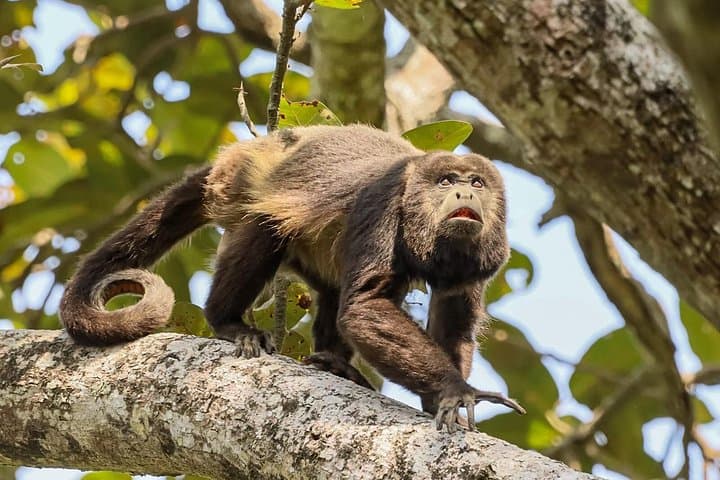
You step off the van into hot air that smells faintly of earth and fermenting cacao; the dry forest opens ahead, a band of green against the drier scrub of coastal Ecuador. The Canoa Trail in Cerro Blanco threads 1.2 km through towering trees, a creek’s chatter and the occasional guttural call of a howler monkey daring you to follow.
Verified experiences and guided adventures in the surrounding area.
Operated by Yamil Saman Cabrera · Guayaquil, Guayas
You step off the van into hot air that smells faintly of earth and fermenting cacao; the dry forest opens ahead, a band of green against the drier scrub of coastal Ecuador. The Canoa Trail in Cerro Blanco threads 1.2 km through towering trees, a creek’s chatter and the occasional guttural call of a howler monkey daring you to follow.
This landscape is part of the Pacific dry forest biome, one of the region’s most threatened ecosystems. The tour pairs that short hike with a working Don Homero cacao plantation where centuries of cocoa cultivation meet modern grafting and shade-grown practices. Ecuador’s cacao history runs deep — once a colonial cash crop, now a source of national pride and artisanal chocolate-making.
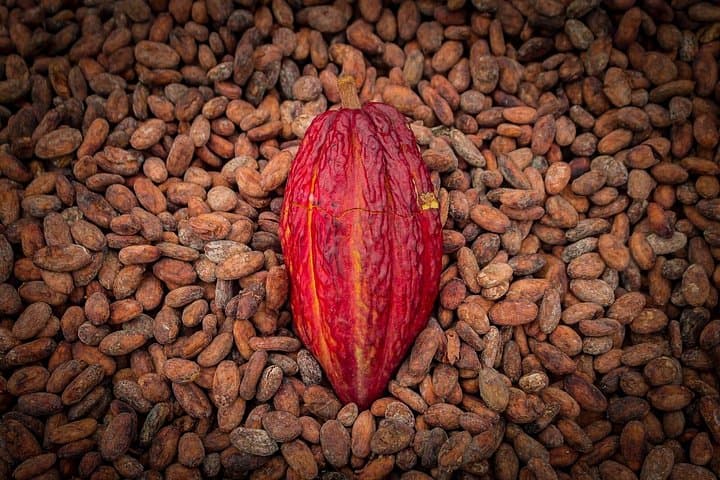
At the greenhouse you’ll watch seedlings grafted for quality, stroll between cacao and plantain rows, and learn sustainable techniques like natural fertilization and pruning that keep yields steady while protecting soil and biodiversity. The sensory highlight is hands-on: opening pods, fermenting beans, and grinding into chocolate, then tasting the range from fresh pulp to finished bar.
Practical notes: expect about seven hours total, low-to-moderate physical demand, and warm, dry conditions with shade pockets. Wear sturdy closed-toe shoes for the trail, bring sun protection, and hydrate — bottled water is typically provided at the farm but carry a refillable bottle. The combined nature-and-food format is family-friendly but not recommended for travelers with serious back, heart, or pregnancy restrictions. Plan for an early pickup from Guayaquil and a full-day return to town.
The Canoa Trail is about 1.2 km and rated low-to-medium difficulty—short but with uneven terrain; basic mobility is sufficient.
Howler monkeys are often audible and sometimes visible; visitors may also spot green macaws, birds, reptiles and insects depending on timing and luck.
Yes—children can participate in pod-opening and basic processing steps, but minors should be supervised; the operator recommends children 16 and older for full participation.
The local menu centers on cacao; organizers can accommodate common dietary needs if notified at booking—submit any restrictions in advance.
Yamil Saman Cabrera operates guided outdoor trips and adventures with an emphasis on safety, stewardship, and memorable experiences.


You step off the van into hot air that smells faintly of earth and fermenting cacao; the dry forest opens ahead, a band of green against the drier scrub of coastal Ecuador. The Canoa Trail in Cerro Blanco threads 1.2 km through towering trees, a creek’s chatter and the occasional guttural call of a howler monkey daring you to follow.
You step off the van into hot air that smells faintly of earth and fermenting cacao; the dry forest opens ahead, a band of green against the drier scrub of coastal Ecuador. The Canoa Trail in Cerro Blanco threads 1.2 km through towering trees, a creek’s chatter and the occasional guttural call of a howler monkey daring you to follow.
This landscape is part of the Pacific dry forest biome, one of the region’s most threatened ecosystems. The tour pairs that short hike with a working Don Homero cacao plantation where centuries of cocoa cultivation meet modern grafting and shade-grown practices. Ecuador’s cacao history runs deep — once a colonial cash crop, now a source of national pride and artisanal chocolate-making.
At the greenhouse you’ll watch seedlings grafted for quality, stroll between cacao and plantain rows, and learn sustainable techniques like natural fertilization and pruning that keep yields steady while protecting soil and biodiversity. The sensory highlight is hands-on: opening pods, fermenting beans, and grinding into chocolate, then tasting the range from fresh pulp to finished bar.
Practical notes: expect about seven hours total, low-to-moderate physical demand, and warm, dry conditions with shade pockets. Wear sturdy closed-toe shoes for the trail, bring sun protection, and hydrate — bottled water is typically provided at the farm but carry a refillable bottle. The combined nature-and-food format is family-friendly but not recommended for travelers with serious back, heart, or pregnancy restrictions. Plan for an early pickup from Guayaquil and a full-day return to town.