THE ADVENTURE COLLECTIVE® · Independent discovery and booking for outdoor travel

Escape the crowds at Badaling and walk where the Wall meets the water—Huanghuacheng pairs Ming-era ramparts with a reservoir that reflects watchtowers and sky. This full-day tour from Beijing offers guided history, shoreline views, and manageable hiking on uneven stone.
Escape the crowds at Badaling and walk where the Wall meets the water—Huanghuacheng pairs Ming-era ramparts with a reservoir that reflects watchtowers and sky. This full-day tour from Beijing offers guided history, shoreline views, and manageable hiking on uneven stone.
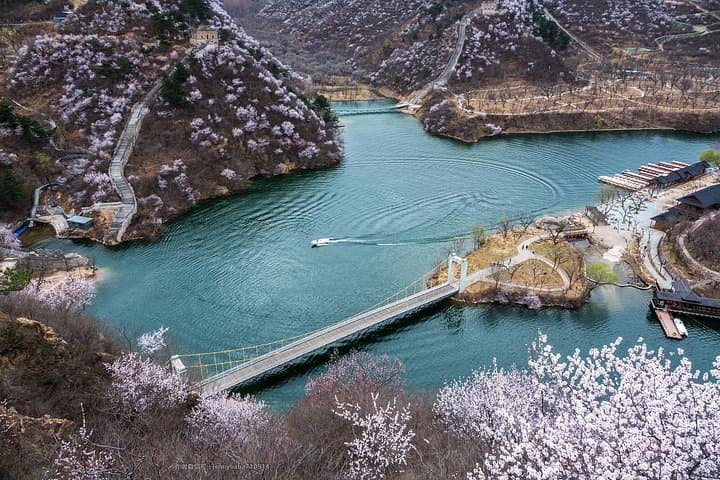
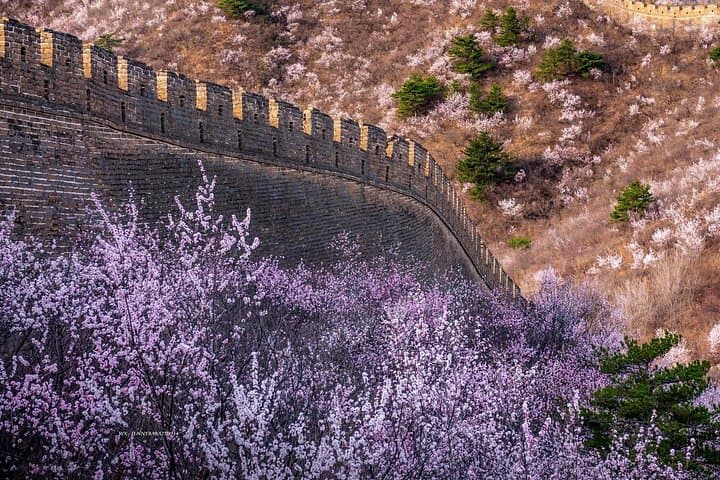
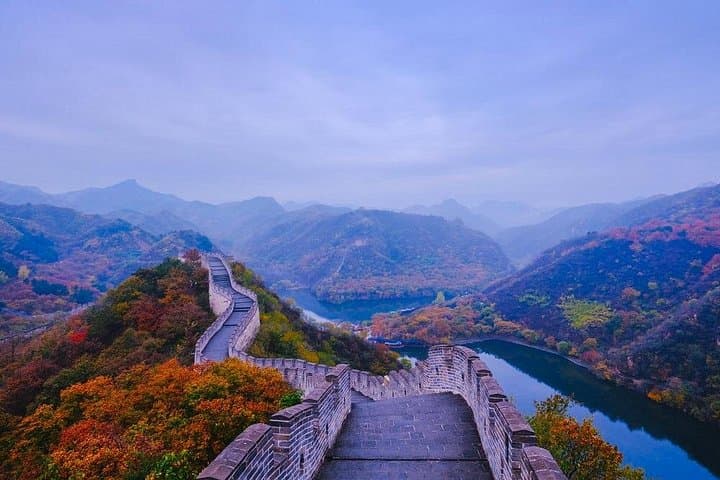
A low gray wall slides down a ridge and then, impossibly, into blue water—watchtowers punctuate the shoreline while the reservoir holds mirror images of brick and sky. At Huanghuacheng the Great Wall refuses to stay only on land; it curves to meet a lake and gives the familiar stonework a new edge. Morning drives from Beijing peel away the urban hum and put you at an unexpectedly quiet stretch of Ming-era fortification.
Verified experiences and guided adventures in the surrounding area.
Operated by Yida Travel · Huairou, Beijing
A low gray wall slides down a ridge and then, impossibly, into blue water—watchtowers punctuate the shoreline while the reservoir holds mirror images of brick and sky. At Huanghuacheng the Great Wall refuses to stay only on land; it curves to meet a lake and gives the familiar stonework a new edge. Morning drives from Beijing peel away the urban hum and put you at an unexpectedly quiet stretch of Ming-era fortification.
The site grew in strategic importance during the Ming Dynasty when defenders strengthened northern approaches to the capital. Geologically, the wall here follows granite ridges and carved valleys; where stone meets reservoir you’ll find submerged sections and re-cut stairways that speak to both ancient engineering and later repairs. Local villages in Huairou have long been linked to the Wall—farmsteads, simple temples, and café stalls offer glimpses of rural life outside Beijing’s ring roads.
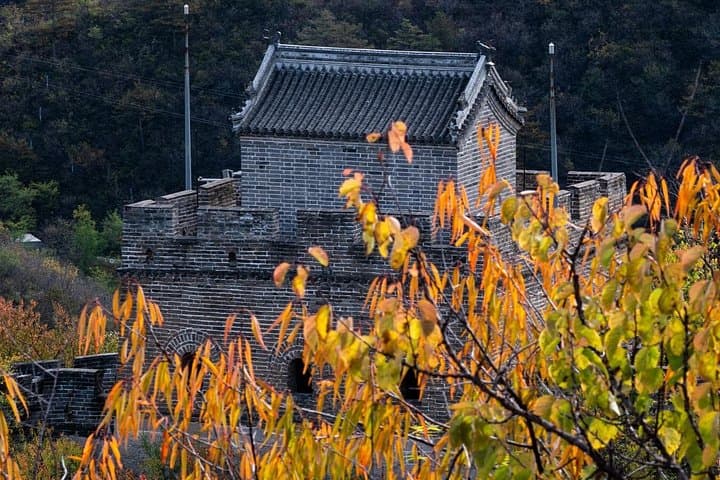
On the walk, expect packed earth, uneven stone steps, and intermittent watchtowers with sweeping views. The water changes the light and the mood—wind can chop reflections into a scatter of glass, or it can lay the surface perfectly still. Guides typically explain construction, military purpose, and recent conservation efforts before letting you explore at an easy pace.
Practical notes: go early to avoid the midafternoon heat and photographers’ queues, wear supportive footwear with decent traction, and bring cash for small purchases—card acceptance in the scenic area is limited. The full-day itinerary includes roundtrip transport from Beijing and gives ample time for walking, photos, and shoreline viewpoints—an accessible yet vivid Great Wall experience.
Expect about 1.5–2 hours each way from central Beijing depending on traffic; most full-day tours allocate roughly two hours for transit each direction.
Yes — this tour includes a roundtrip boat ride on the reservoir, which provides unique views of where the Wall meets the water.
The section is generally accessible but includes uneven steps and short steep pitches; travelers with limited mobility should consider shorter shoreline viewpoints rather than long stretches.
Basic restrooms and small snack stalls are available near the entrance and visitor areas, but services are limited—bring cash and snacks for longer walks.
Yida Travel operates guided outdoor trips and adventures with an emphasis on safety, stewardship, and memorable experiences.
A low gray wall slides down a ridge and then, impossibly, into blue water—watchtowers punctuate the shoreline while the reservoir holds mirror images of brick and sky. At Huanghuacheng the Great Wall refuses to stay only on land; it curves to meet a lake and gives the familiar stonework a new edge. Morning drives from Beijing peel away the urban hum and put you at an unexpectedly quiet stretch of Ming-era fortification.
A low gray wall slides down a ridge and then, impossibly, into blue water—watchtowers punctuate the shoreline while the reservoir holds mirror images of brick and sky. At Huanghuacheng the Great Wall refuses to stay only on land; it curves to meet a lake and gives the familiar stonework a new edge. Morning drives from Beijing peel away the urban hum and put you at an unexpectedly quiet stretch of Ming-era fortification.
The site grew in strategic importance during the Ming Dynasty when defenders strengthened northern approaches to the capital. Geologically, the wall here follows granite ridges and carved valleys; where stone meets reservoir you’ll find submerged sections and re-cut stairways that speak to both ancient engineering and later repairs. Local villages in Huairou have long been linked to the Wall—farmsteads, simple temples, and café stalls offer glimpses of rural life outside Beijing’s ring roads.
On the walk, expect packed earth, uneven stone steps, and intermittent watchtowers with sweeping views. The water changes the light and the mood—wind can chop reflections into a scatter of glass, or it can lay the surface perfectly still. Guides typically explain construction, military purpose, and recent conservation efforts before letting you explore at an easy pace.
Practical notes: go early to avoid the midafternoon heat and photographers’ queues, wear supportive footwear with decent traction, and bring cash for small purchases—card acceptance in the scenic area is limited. The full-day itinerary includes roundtrip transport from Beijing and gives ample time for walking, photos, and shoreline viewpoints—an accessible yet vivid Great Wall experience.