THE ADVENTURE COLLECTIVE® · Independent discovery and booking for outdoor travel

Explore a quieter, less-restored section of the Great Wall at Huanghuacheng where stone meets water. This private day tour from Beijing includes round-trip transfer, entrance tickets, and a guided walk along ruins and lakeside ramparts.
Explore a quieter, less-restored section of the Great Wall at Huanghuacheng where stone meets water. This private day tour from Beijing includes round-trip transfer, entrance tickets, and a guided walk along ruins and lakeside ramparts.
You step out of the private vehicle onto hard-packed earth and immediately feel the wall’s scale: stone ramparts rise and fall like an old spine along the ridgeline, while the reservoir below glints and seems to push light up against the masonry.
Verified experiences and guided adventures in the surrounding area.
Operated by Lotus Tours · Beijing, Beijing
You step out of the private vehicle onto hard-packed earth and immediately feel the wall’s scale: stone ramparts rise and fall like an old spine along the ridgeline, while the reservoir below glints and seems to push light up against the masonry.
Huanghuacheng was first reinforced during the Ming dynasty (early 1400s) and is known locally as a “wild” section because it has limited restoration and far fewer visitors than Badaling or Mutianyu. Geologically, the route follows a mix of exposed bedrock and loose scree where ancient builders quarried locally; the lakeside pockets formed where a valley was dammed to create the Huanghua Reservoir. Culturally, this stretch reads like a lived landscape: watchtowers and collapsed parapets still carry the marks of centuries of maintenance and neglect, and nearby villages retain rural rhythms distinct from urban Beijing.
Practically, expect uneven stone steps, short steep scrambles, and sections with no handrails. The private tour includes round-trip transfer and entrance tickets, and the itinerary typically lasts 5–6 hours with roughly 2 hours on the wall itself. Bring sturdy hiking shoes, layered clothing for wind off the water, a charged phone for photos, and small cash for a snack in the parking area. Aim for morning light to avoid crowds and to catch the reservoir reflecting the wall. Respect fragile masonry: avoid climbing on unstable ruins and pack out all waste. This is a walk that rewards measured pace—listen to the wind; it will tell you where the line of fortifications continues.
The full private tour runs about 5–6 hours, with roughly 1.5–2.5 hours of walking on the Huanghuacheng section depending on pace and stops.
Moderate mobility is required; children and older adults can join but should be able to handle uneven steps and short steep stretches—consider private pacing and breaks.
Yes. The tour includes round-trip hotel transfer, entrance tickets, bottled water, and a private English-speaking guide.
Swimming is not advised and may be restricted; lakeshores near the wall are often privately accessed or unstable—check with your guide before approaching water.
Lotus Tours operates guided outdoor trips and adventures with an emphasis on safety, stewardship, and memorable experiences.
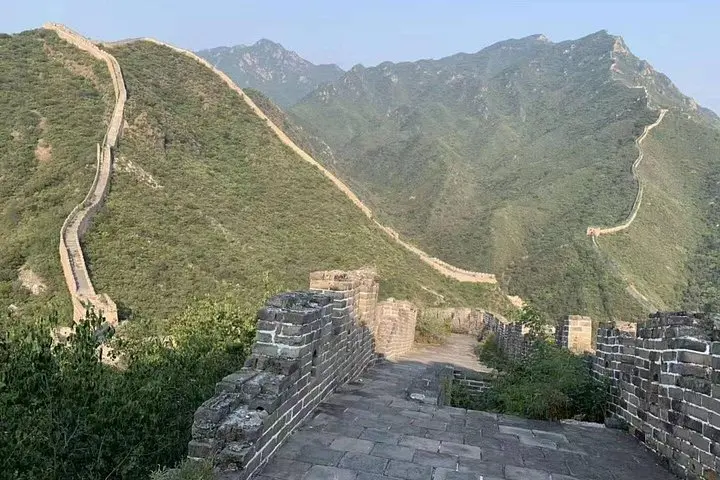
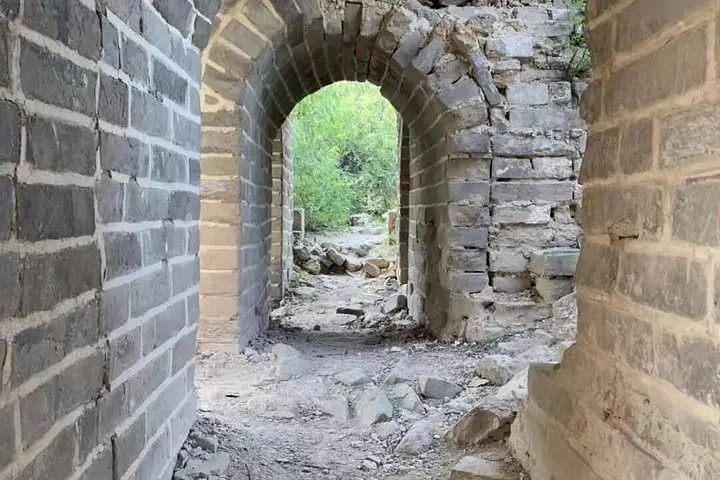
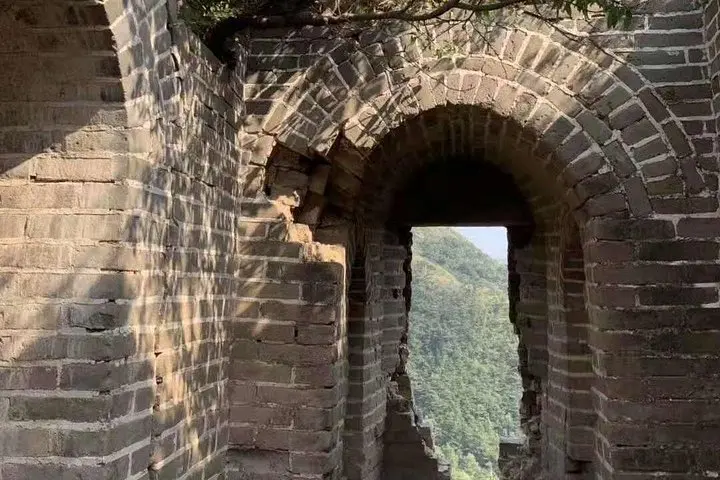
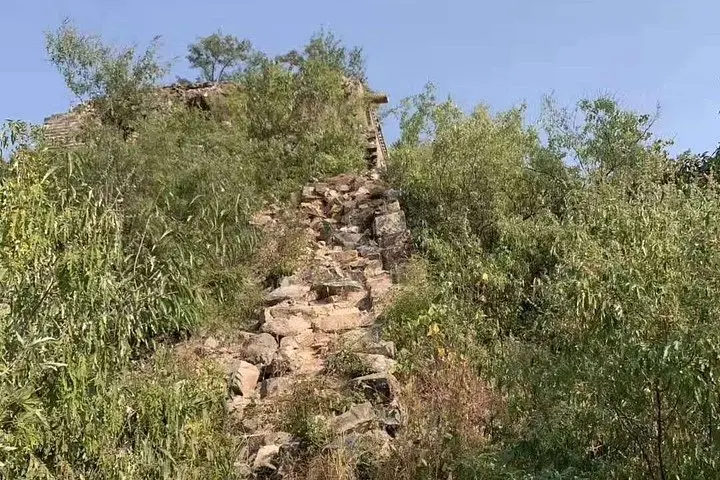
You step out of the private vehicle onto hard-packed earth and immediately feel the wall’s scale: stone ramparts rise and fall like an old spine along the ridgeline, while the reservoir below glints and seems to push light up against the masonry.
You step out of the private vehicle onto hard-packed earth and immediately feel the wall’s scale: stone ramparts rise and fall like an old spine along the ridgeline, while the reservoir below glints and seems to push light up against the masonry.
Huanghuacheng was first reinforced during the Ming dynasty (early 1400s) and is known locally as a “wild” section because it has limited restoration and far fewer visitors than Badaling or Mutianyu. Geologically, the route follows a mix of exposed bedrock and loose scree where ancient builders quarried locally; the lakeside pockets formed where a valley was dammed to create the Huanghua Reservoir. Culturally, this stretch reads like a lived landscape: watchtowers and collapsed parapets still carry the marks of centuries of maintenance and neglect, and nearby villages retain rural rhythms distinct from urban Beijing.
Practically, expect uneven stone steps, short steep scrambles, and sections with no handrails. The private tour includes round-trip transfer and entrance tickets, and the itinerary typically lasts 5–6 hours with roughly 2 hours on the wall itself. Bring sturdy hiking shoes, layered clothing for wind off the water, a charged phone for photos, and small cash for a snack in the parking area. Aim for morning light to avoid crowds and to catch the reservoir reflecting the wall. Respect fragile masonry: avoid climbing on unstable ruins and pack out all waste. This is a walk that rewards measured pace—listen to the wind; it will tell you where the line of fortifications continues.