THE ADVENTURE COLLECTIVE® · Independent discovery and booking for outdoor travel

Cruise the sheltered bays of Huatulco with local guides who know where winter migrants and resident shorebirds concentrate. This 3–4 hour tour mixes boat-based viewing, scopes and field guides, and an intimate look at mangrove estuaries and coastal birdlife.
Cruise the sheltered bays of Huatulco with local guides who know where winter migrants and resident shorebirds concentrate. This 3–4 hour tour mixes boat-based viewing, scopes and field guides, and an intimate look at mangrove estuaries and coastal birdlife.
The morning arrives humid and sharp, the Gulf of Tehuantepec breathing salt and heat onto the boat's bow. Binoculars fog briefly against the sea air, then clear to reveal a black flash of frigatebird hawking thermals above a row of barges, and farther, a white line of pelicans gliding low and steady. Guides call out brief notes—local names, flight styles, the telltale white wing patch of a migratory sandpiper—and the list on the clipboard grows.
Verified experiences and guided adventures in the surrounding area.
Operated by Homietours · Santa María Huatulco, Oaxaca
The morning arrives humid and sharp, the Gulf of Tehuantepec breathing salt and heat onto the boat's bow. Binoculars fog briefly against the sea air, then clear to reveal a black flash of frigatebird hawking thermals above a row of barges, and farther, a white line of pelicans gliding low and steady. Guides call out brief notes—local names, flight styles, the telltale white wing patch of a migratory sandpiper—and the list on the clipboard grows.
This is Huatulco: a string of nine sheltered bays on Oaxaca’s Pacific coast that transition from reef-strewn shoreline to mangrove estuary in a matter of minutes. Geologically, the coastline is young—shifting alluvial fills and volcanic outcrops that funnel migratory paths along the Pacific flyway. Historically, these bays have supported fishing communities and, more recently, a national park created to protect mangroves, coral beds, and the species that rely on them.
Oaxaca is Mexico’s bird capital; roughly 75% of the country’s 1,050 species have been recorded here. Along the Huatulco coastline, winter brings a concentration of migrants: warblers that flee the north for cover among button mangroves, thrushes that favor estuary edges, and raptors that ride warm updrafts. Cultural notes arrive between sightings: guides—often local naturalists—share how coastal communities harvest fish and coconuts, and how conservation initiatives try to balance tourism with traditional livelihoods.
The tour itself is pragmatic and relaxed. Expect 3–4 hours on a small motor launch with multiple stop-and-scan points—estuaries, rocky promontories, and the protected bay interiors. Equipment is provided (scopes and binoculars), and guides bring charts and field guides to help you confirm IDs. Light walking may be required at a mangrove pier or short trail; otherwise most of the experience is water-based observation.
Practical tips: travel early for the quietest water and best light; wear a wide-brim hat and reef-friendly sunscreen; bring a small daypack with water and a spare lens cloth. If you’re chasing winter migrants, plan between November and March for the densest passerine mixes; nesting seabirds and immatures are more conspicuous in the shoulder seasons.
For photographers, a long lens and a steady hand (or beanbag) will help from the boat; guides can often position you for better angles. Above all, go with patience—birds will reveal themselves in the rhythm of the bays, and once you start marking species on the checklist, the trip becomes equal parts natural history lesson and coastal exploration.
Yes—scopes, binoculars, charts and an experienced local guide are included in the tour price.
Winter (November–March) concentrates migratory passerines and shorebirds, though resident seabirds are present year-round.
Yes—round-trip transport from hotels in the Bahías de Huatulco area is included; confirm pickup details when booking.
A minimum of two people is required for the tour to run.
Infants are allowed but must sit on an adult’s lap; infant seats are available on request.
All sales are final; tours may be canceled by the operator for bad weather or insufficient participants with no refund.
Homietours operates guided outdoor trips and adventures with an emphasis on safety, stewardship, and memorable experiences.
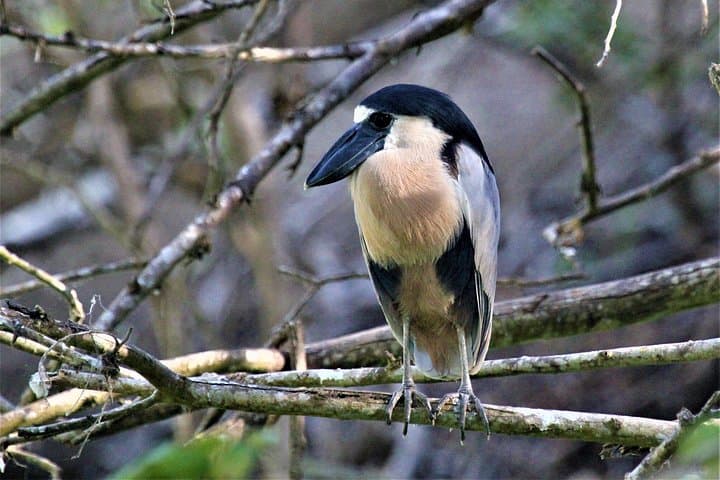
The morning arrives humid and sharp, the Gulf of Tehuantepec breathing salt and heat onto the boat's bow. Binoculars fog briefly against the sea air, then clear to reveal a black flash of frigatebird hawking thermals above a row of barges, and farther, a white line of pelicans gliding low and steady. Guides call out brief notes—local names, flight styles, the telltale white wing patch of a migratory sandpiper—and the list on the clipboard grows.
The morning arrives humid and sharp, the Gulf of Tehuantepec breathing salt and heat onto the boat's bow. Binoculars fog briefly against the sea air, then clear to reveal a black flash of frigatebird hawking thermals above a row of barges, and farther, a white line of pelicans gliding low and steady. Guides call out brief notes—local names, flight styles, the telltale white wing patch of a migratory sandpiper—and the list on the clipboard grows.
This is Huatulco: a string of nine sheltered bays on Oaxaca’s Pacific coast that transition from reef-strewn shoreline to mangrove estuary in a matter of minutes. Geologically, the coastline is young—shifting alluvial fills and volcanic outcrops that funnel migratory paths along the Pacific flyway. Historically, these bays have supported fishing communities and, more recently, a national park created to protect mangroves, coral beds, and the species that rely on them.
Oaxaca is Mexico’s bird capital; roughly 75% of the country’s 1,050 species have been recorded here. Along the Huatulco coastline, winter brings a concentration of migrants: warblers that flee the north for cover among button mangroves, thrushes that favor estuary edges, and raptors that ride warm updrafts. Cultural notes arrive between sightings: guides—often local naturalists—share how coastal communities harvest fish and coconuts, and how conservation initiatives try to balance tourism with traditional livelihoods.
The tour itself is pragmatic and relaxed. Expect 3–4 hours on a small motor launch with multiple stop-and-scan points—estuaries, rocky promontories, and the protected bay interiors. Equipment is provided (scopes and binoculars), and guides bring charts and field guides to help you confirm IDs. Light walking may be required at a mangrove pier or short trail; otherwise most of the experience is water-based observation.
Practical tips: travel early for the quietest water and best light; wear a wide-brim hat and reef-friendly sunscreen; bring a small daypack with water and a spare lens cloth. If you’re chasing winter migrants, plan between November and March for the densest passerine mixes; nesting seabirds and immatures are more conspicuous in the shoulder seasons.
For photographers, a long lens and a steady hand (or beanbag) will help from the boat; guides can often position you for better angles. Above all, go with patience—birds will reveal themselves in the rhythm of the bays, and once you start marking species on the checklist, the trip becomes equal parts natural history lesson and coastal exploration.