THE ADVENTURE COLLECTIVE® · Independent discovery and booking for outdoor travel

Explore Santa Cruz Huatulco in 2–3 hours: plazas, hand-woven textiles, and a guided mezcal tasting. This compact city tour maps the town’s layout, viewpoints, and culinary highlights so you know where to return for longer exploration.
Explore Santa Cruz Huatulco in 2–3 hours: plazas, hand-woven textiles, and a guided mezcal tasting. This compact city tour maps the town’s layout, viewpoints, and culinary highlights so you know where to return for longer exploration.
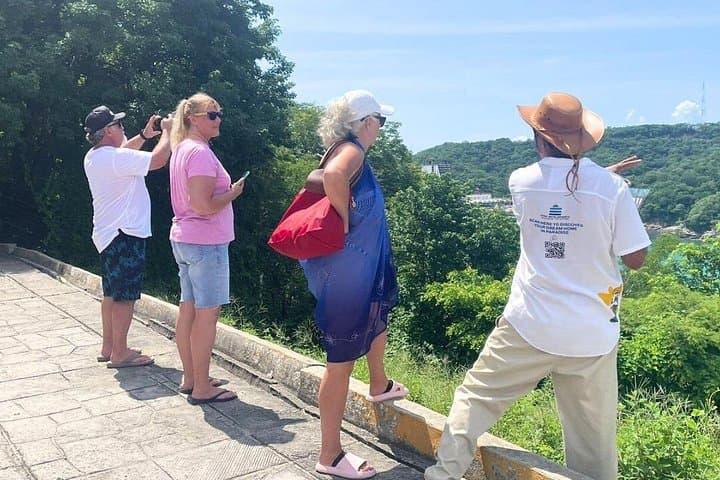
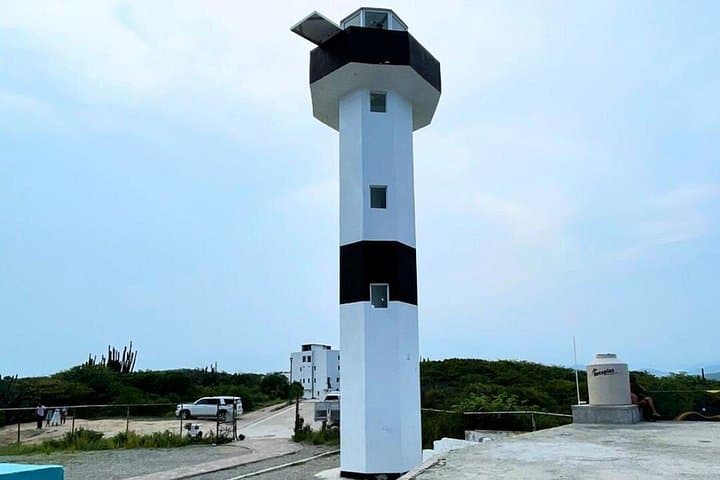
A low, salt-scented breeze carries the sound of church bells as you step onto the plaza of Santa Cruz Huatulco. Street vendors arrange bright textiles and the town’s slopes open to bay views; the air seems to push you toward the viewpoints, urging you to look out over the chain of crescent bays that define this Pacific coast.
Verified experiences and guided adventures in the surrounding area.
Operated by Homietours · Santa Cruz Huatulco, Oaxaca
A low, salt-scented breeze carries the sound of church bells as you step onto the plaza of Santa Cruz Huatulco. Street vendors arrange bright textiles and the town’s slopes open to bay views; the air seems to push you toward the viewpoints, urging you to look out over the chain of crescent bays that define this Pacific coast.
This short city tour traces Huatulco’s recent arc—from scattered fishing villages to a coastal destination developed in the late 20th century—and highlights the region’s Oaxacan roots: artisanal looms, corn-based moles, and mezcal made from agave grown inland. Geology here is straightforward—low coastal bluffs, sandy coves and sheltered bays carved by seasonal runoff—so the walking is mostly on paved streets and a few cobbled alleys with minimal elevation change.
You’ll visit the main square and church, a hand-weaving workshop where textiles are sold by the meter, and a dedicated mezcal shop for guided tastings. The guide provides local context about flavors, social customs, and sustainable sourcing of agave, and points out small naturalists’ sights like frigatebirds wheeling offshore and iguanas sunning on walls.
Practicals: plan for 2–3 hours, bring cash for purchases, and expect light walking with several photo stops. The tour runs in an air-conditioned vehicle between sites and includes small tastings and maps. Wear comfortable walking shoes, sun protection, and a compact camera; modest attire is suggested for the church. The rhythm of the tour is conversational and sensory—taste, texture, and view—making it a useful primer on Huatulco’s culture and coastline before you head to the beaches.
Many departures offer pickup from central hotels in Huatulco; confirm your pickup point when booking.
Yes—small tastings of local specialties and a guided sampling at a mezcal shop are included in the tour price.
The tour is family-friendly and rated physically easy; infant seats are available on request but check availability ahead of time.
Yes; the itinerary includes a visit to a loom shop and a mezcal shop where purchases are possible—bring cash and check airline limits for liquids.
Homietours operates guided outdoor trips and adventures with an emphasis on safety, stewardship, and memorable experiences.


A low, salt-scented breeze carries the sound of church bells as you step onto the plaza of Santa Cruz Huatulco. Street vendors arrange bright textiles and the town’s slopes open to bay views; the air seems to push you toward the viewpoints, urging you to look out over the chain of crescent bays that define this Pacific coast.
A low, salt-scented breeze carries the sound of church bells as you step onto the plaza of Santa Cruz Huatulco. Street vendors arrange bright textiles and the town’s slopes open to bay views; the air seems to push you toward the viewpoints, urging you to look out over the chain of crescent bays that define this Pacific coast.
This short city tour traces Huatulco’s recent arc—from scattered fishing villages to a coastal destination developed in the late 20th century—and highlights the region’s Oaxacan roots: artisanal looms, corn-based moles, and mezcal made from agave grown inland. Geology here is straightforward—low coastal bluffs, sandy coves and sheltered bays carved by seasonal runoff—so the walking is mostly on paved streets and a few cobbled alleys with minimal elevation change.
You’ll visit the main square and church, a hand-weaving workshop where textiles are sold by the meter, and a dedicated mezcal shop for guided tastings. The guide provides local context about flavors, social customs, and sustainable sourcing of agave, and points out small naturalists’ sights like frigatebirds wheeling offshore and iguanas sunning on walls.
Practicals: plan for 2–3 hours, bring cash for purchases, and expect light walking with several photo stops. The tour runs in an air-conditioned vehicle between sites and includes small tastings and maps. Wear comfortable walking shoes, sun protection, and a compact camera; modest attire is suggested for the church. The rhythm of the tour is conversational and sensory—taste, texture, and view—making it a useful primer on Huatulco’s culture and coastline before you head to the beaches.