THE ADVENTURE COLLECTIVE® · Independent discovery and booking for outdoor travel

Set sail from Bahías de Huatulco with a marine biologist to search for dolphins, seasonal whales, sea turtles and manta rays, then snorkel underexplored reefs. This four-hour small-group tour blends wildlife watching with hands-on conservation insight.
Set sail from Bahías de Huatulco with a marine biologist to search for dolphins, seasonal whales, sea turtles and manta rays, then snorkel underexplored reefs. This four-hour small-group tour blends wildlife watching with hands-on conservation insight.
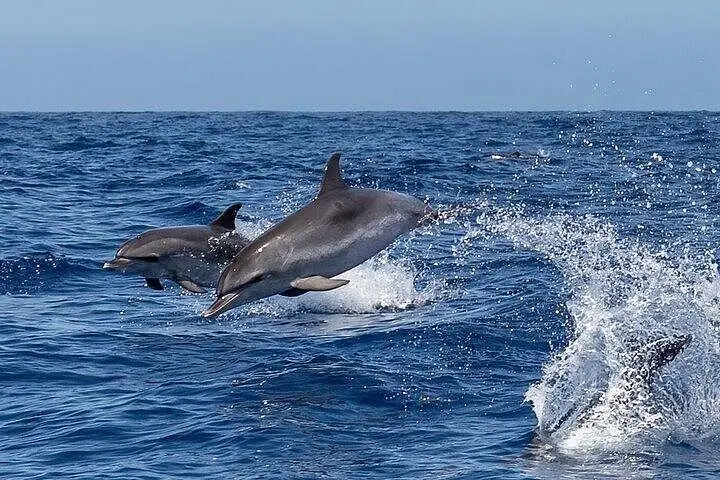
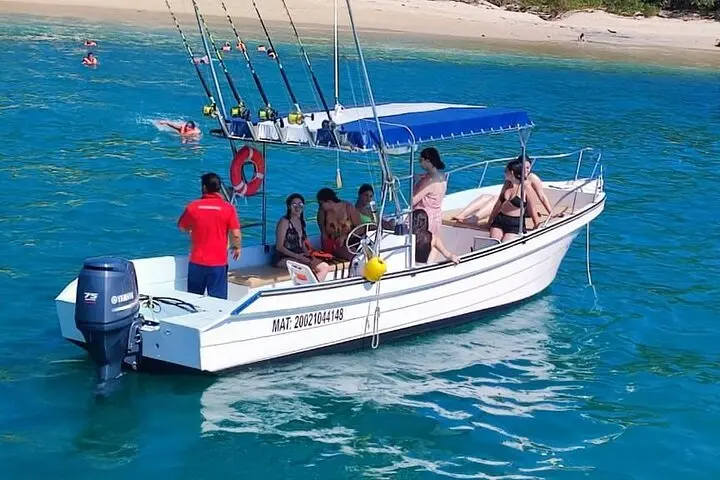
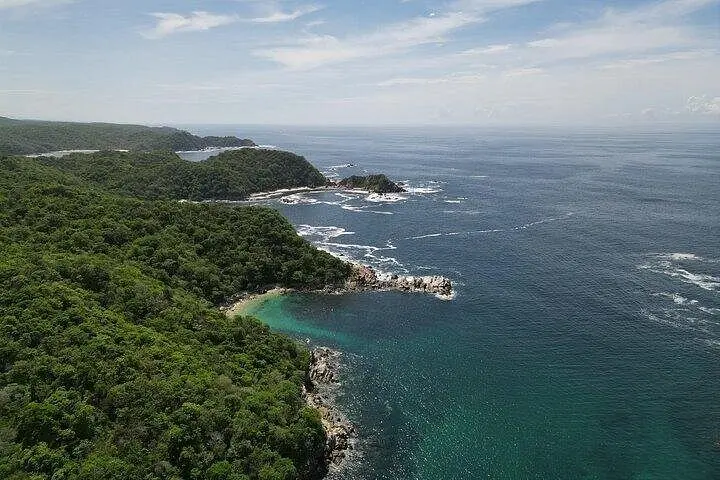
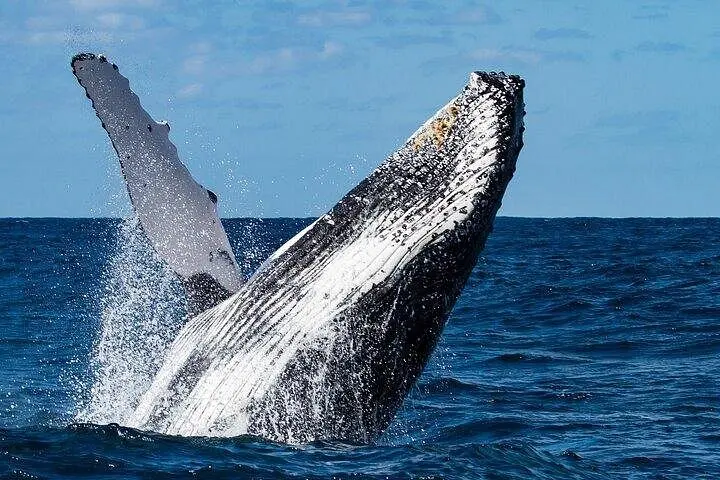
The boat slips out of Bahías de Huatulco and the coastline thins into open Pacific. Salted wind tugs at your hat while a marine biologist scans the horizon; dolphins break the surface in tight arcs and, in winter months, spouts announce long-distance travelers—humpback whales—punching through the swell. The water here is warm and glassy between reef outcrops, inviting the group to don masks and fins and drop into clear pockets where parrotfish and banded angelfish patrol coral ledges.
Verified experiences and guided adventures in the surrounding area.
Operated by Huitzil Tours And Travel · Santa María Huatulco, Oaxaca
The boat slips out of Bahías de Huatulco and the coastline thins into open Pacific. Salted wind tugs at your hat while a marine biologist scans the horizon; dolphins break the surface in tight arcs and, in winter months, spouts announce long-distance travelers—humpback whales—punching through the swell. The water here is warm and glassy between reef outcrops, inviting the group to don masks and fins and drop into clear pockets where parrotfish and banded angelfish patrol coral ledges.
This stretch of the Oaxacan coast has a coastal history shaped by seasonal currents and small fishing communities like Santa María Huatulco and La Crucecita. Geologically the bays sit where coastal plains meet rocky promontories and fringing reefs that have grown on volcanic-tinged substrate. Local guides are often bilingual and many trips include conservation briefings—fishing and tourism have long formed the livelihood here, and recent efforts focus on reef protection and responsible tourism.
Practically, expect a roughly four-hour trip that runs several nautical miles offshore to reach marine mammal zones and sheltered snorkel sites. Guides provide basic snorkeling instruction and flotation; swimmers should be comfortable in open water. Bring reef-safe sunscreen, a snug mask, and a short rinse-change of clothes for the ride back. Plan for morning departures for calmer seas and better visibility; whale sightings are seasonal (winter) while dolphins and sea turtles are commonly seen year-round. Respect instructions from conservation-minded guides: avoid touching coral, keep distance from resting animals, and carry out any trash.
Humpback whales are most commonly sighted in the Mexican Pacific between December and April; dolphin encounters occur year-round.
Basic snorkeling skills and comfortable swimming in open water are recommended—guides offer brief instruction and flotation as needed.
Many operators offer pickup from central Huatulco hotels or pickup points—confirm at booking and provide your pickup location.
Snorkel sites are typically shallow fringing reefs accessible from the boat; guides choose calm, sheltered spots suitable for mixed-skill groups.
Huitzil Tours And Travel operates guided outdoor trips and adventures with an emphasis on safety, stewardship, and memorable experiences.
The boat slips out of Bahías de Huatulco and the coastline thins into open Pacific. Salted wind tugs at your hat while a marine biologist scans the horizon; dolphins break the surface in tight arcs and, in winter months, spouts announce long-distance travelers—humpback whales—punching through the swell. The water here is warm and glassy between reef outcrops, inviting the group to don masks and fins and drop into clear pockets where parrotfish and banded angelfish patrol coral ledges.
The boat slips out of Bahías de Huatulco and the coastline thins into open Pacific. Salted wind tugs at your hat while a marine biologist scans the horizon; dolphins break the surface in tight arcs and, in winter months, spouts announce long-distance travelers—humpback whales—punching through the swell. The water here is warm and glassy between reef outcrops, inviting the group to don masks and fins and drop into clear pockets where parrotfish and banded angelfish patrol coral ledges.
This stretch of the Oaxacan coast has a coastal history shaped by seasonal currents and small fishing communities like Santa María Huatulco and La Crucecita. Geologically the bays sit where coastal plains meet rocky promontories and fringing reefs that have grown on volcanic-tinged substrate. Local guides are often bilingual and many trips include conservation briefings—fishing and tourism have long formed the livelihood here, and recent efforts focus on reef protection and responsible tourism.
Practically, expect a roughly four-hour trip that runs several nautical miles offshore to reach marine mammal zones and sheltered snorkel sites. Guides provide basic snorkeling instruction and flotation; swimmers should be comfortable in open water. Bring reef-safe sunscreen, a snug mask, and a short rinse-change of clothes for the ride back. Plan for morning departures for calmer seas and better visibility; whale sightings are seasonal (winter) while dolphins and sea turtles are commonly seen year-round. Respect instructions from conservation-minded guides: avoid touching coral, keep distance from resting animals, and carry out any trash.