THE ADVENTURE COLLECTIVE® · Independent discovery and booking for outdoor travel

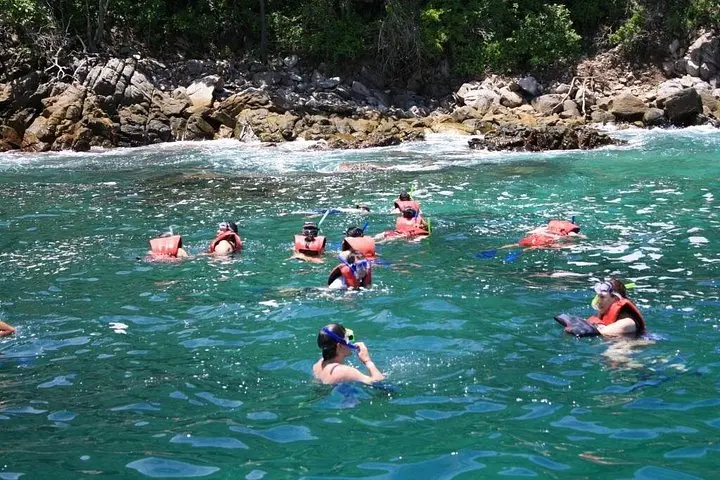
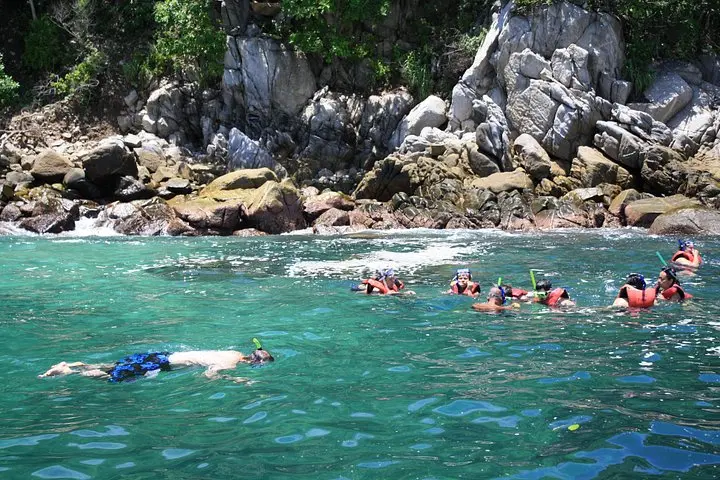
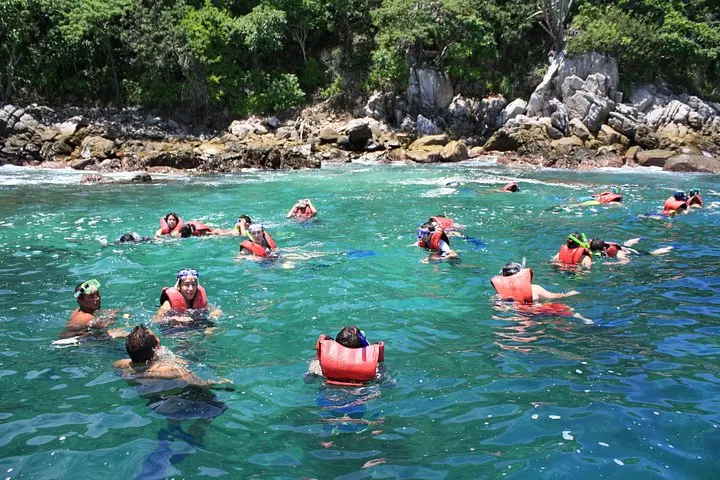
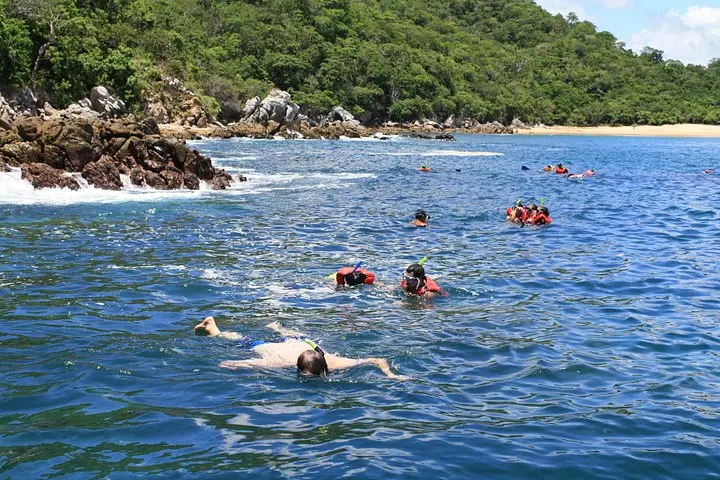
A brisk coastal walk delivers you to a private-feeling bay in Huatulco National Park, where shallow coral gardens and colorful reef fish await. This three-hour morning tour blends a short hike, environmental interpretation, and guided snorkeling with all gear provided.
A brisk coastal walk delivers you to a private-feeling bay in Huatulco National Park, where shallow coral gardens and colorful reef fish await. This three-hour morning tour blends a short hike, environmental interpretation, and guided snorkeling with all gear provided.
The trail opens beneath a canopy of low coastal scrub and thorny ceiba trees; sunlight slants through leaves and the scent of salt rides the warm wind. You step off a shaded dirt track and the forest gives way to rocky headlands — the sound of the surf grows louder, then, suddenly, the shore opens into a small, unspoiled crescent of sand. This is one of Huatulco’s private-feeling beaches, where coral gardens crowd into shallow water and colorful fish thread through bommies like commuters through an alley.
Verified experiences and guided adventures in the surrounding area.
Operated by Homietours · Huatulco, Oaxaca
The trail opens beneath a canopy of low coastal scrub and thorny ceiba trees; sunlight slants through leaves and the scent of salt rides the warm wind. You step off a shaded dirt track and the forest gives way to rocky headlands — the sound of the surf grows louder, then, suddenly, the shore opens into a small, unspoiled crescent of sand. This is one of Huatulco’s private-feeling beaches, where coral gardens crowd into shallow water and colorful fish thread through bommies like commuters through an alley.
Parque Nacional Huatulco protects nine bays and nearly 12,000 hectares of marine and terrestrial habitat established in the late 1990s to safeguard these reefs and mangroves. Geologically, the coast is a mix of volcanic outcrops and alluvial beaches cut by seasonal arroyos; the reef formations here are fringing coral systems that have survived despite past pressures from fishing and storms. Culturally, the bays have been fished and visited by Zapotec communities for generations — local guides on the walk will point out medicinal plants and mangrove uses as they interpret the landscape.
The tour itself moves at a comfortable pace: expect roughly 1.5–2.5 km of walking on uneven dirt and sand with minimal elevation gain (around 50–100 m) followed by a guided snorkel over shallow reefs. Guides provide instruction, snorkel gear, and context about coral species and fish identification; water and a beer are included for the return to shore. Morning departures are recommended — light is better for underwater visibility and the sea is usually calmer.
Practical realities: shoes should handle sand, rock, and slippery tideweed; water shoes or sturdy sandals with straps work best. Reef-safe sunscreen is a must — local operators encourage biodegradable products and strict ‘no-touch’ rules to protect coral. Bring a towel, lightweight sun layer, and a small daypack for personal items. The snorkeling is shallow and buoyed; if you’re a basic swimmer you’ll be fine but surface comfort helps you see more.
For photographers the water is clearest in the first two hours after sunrise; topside, the headland and the beach mouth make strong composition lines. Expect to see parrotfish, damselfish, and occasionally green sea turtles grazing the reef. Conservation-minded travelers should avoid kneeling on coral or feeding wildlife — the park operates with active monitoring and relies on visitor cooperation.
This short, three-hour excursion is an efficient introduction to Huatulco’s marine world: part light coastal hike, part guided snorkeling, and wholly focused on experiencing and protecting a stretch of Pacific reef that still rewards early risers.
The walking segment is short — about 1.5–2.5 km total over dirt and sand with minimal elevation gain; plan for uneven footing.
Yes — snorkels, masks, and fins are included, plus an English-speaking guide who briefs on safety and reef etiquette.
Basic water comfort is recommended; non-swimmers can use flotation aids and stay in shallow areas but should notify the guide before departure.
Water and beer are included on this tour; bring extra water if you need more, especially on hot days.
Children can join but infants must sit on an adult’s lap during transport; operators provide infant seats on request and some areas are shallow enough for supervised kids.
The dry season (November–April) offers calmer seas and clearer snorkeling; the tour runs year-round but expect afternoon showers during the rainy season (May–October).
Homietours operates guided outdoor trips and adventures with an emphasis on safety, stewardship, and memorable experiences.
The trail opens beneath a canopy of low coastal scrub and thorny ceiba trees; sunlight slants through leaves and the scent of salt rides the warm wind. You step off a shaded dirt track and the forest gives way to rocky headlands — the sound of the surf grows louder, then, suddenly, the shore opens into a small, unspoiled crescent of sand. This is one of Huatulco’s private-feeling beaches, where coral gardens crowd into shallow water and colorful fish thread through bommies like commuters through an alley.
The trail opens beneath a canopy of low coastal scrub and thorny ceiba trees; sunlight slants through leaves and the scent of salt rides the warm wind. You step off a shaded dirt track and the forest gives way to rocky headlands — the sound of the surf grows louder, then, suddenly, the shore opens into a small, unspoiled crescent of sand. This is one of Huatulco’s private-feeling beaches, where coral gardens crowd into shallow water and colorful fish thread through bommies like commuters through an alley.
Parque Nacional Huatulco protects nine bays and nearly 12,000 hectares of marine and terrestrial habitat established in the late 1990s to safeguard these reefs and mangroves. Geologically, the coast is a mix of volcanic outcrops and alluvial beaches cut by seasonal arroyos; the reef formations here are fringing coral systems that have survived despite past pressures from fishing and storms. Culturally, the bays have been fished and visited by Zapotec communities for generations — local guides on the walk will point out medicinal plants and mangrove uses as they interpret the landscape.
The tour itself moves at a comfortable pace: expect roughly 1.5–2.5 km of walking on uneven dirt and sand with minimal elevation gain (around 50–100 m) followed by a guided snorkel over shallow reefs. Guides provide instruction, snorkel gear, and context about coral species and fish identification; water and a beer are included for the return to shore. Morning departures are recommended — light is better for underwater visibility and the sea is usually calmer.
Practical realities: shoes should handle sand, rock, and slippery tideweed; water shoes or sturdy sandals with straps work best. Reef-safe sunscreen is a must — local operators encourage biodegradable products and strict ‘no-touch’ rules to protect coral. Bring a towel, lightweight sun layer, and a small daypack for personal items. The snorkeling is shallow and buoyed; if you’re a basic swimmer you’ll be fine but surface comfort helps you see more.
For photographers the water is clearest in the first two hours after sunrise; topside, the headland and the beach mouth make strong composition lines. Expect to see parrotfish, damselfish, and occasionally green sea turtles grazing the reef. Conservation-minded travelers should avoid kneeling on coral or feeding wildlife — the park operates with active monitoring and relies on visitor cooperation.
This short, three-hour excursion is an efficient introduction to Huatulco’s marine world: part light coastal hike, part guided snorkeling, and wholly focused on experiencing and protecting a stretch of Pacific reef that still rewards early risers.