THE ADVENTURE COLLECTIVE® · Independent discovery and booking for outdoor travel

A 10-day high-altitude loop through the Cordillera Huayhuash with an optional technical ascent of Diablo Mudo. Expect glacial passes, turquoise lakes, and sustained elevations above 4,000 m.
A 10-day high-altitude loop through the Cordillera Huayhuash with an optional technical ascent of Diablo Mudo. Expect glacial passes, turquoise lakes, and sustained elevations above 4,000 m.
Wind cuts across a high saddle and, for a moment, the world narrows to lake glass and granite teeth—the Jirishancas, Rondoy and the hulking Yerupajá insisting on attention. The Huayhuash Classic Trek threads that raw landscape: ten days of high passes, turquoise lagoons and camps ringed by moraine and puna grass.
Verified experiences and guided adventures in the surrounding area.
Operated by Peru Expeditions Tours · Huaraz, Ancash
Wind cuts across a high saddle and, for a moment, the world narrows to lake glass and granite teeth—the Jirishancas, Rondoy and the hulking Yerupajá insisting on attention. The Huayhuash Classic Trek threads that raw landscape: ten days of high passes, turquoise lagoons and camps ringed by moraine and puna grass.
Geologically the cordillera is a compact, glaciated spine on the Continental Divide; several peaks top 6,000 m and the range feeds rivers that flow both to the Pacific and into the Amazon basin. Siula Grande entered mountaineering lore through Joe Simpson’s Touching the Void, and local Quechua communities maintain pastoral rhythms—yak-like llamas and seasonal grazing—around the same trails trekkers use. The trek crosses classic alpine terrain: steep moraine, wind-scoured ridgelines, and calm lakes that reflect collapsing seracs when the air is still.
Practically, expect sustained altitude (camps at 4,000–4,600 m, Punta Cuyoc at ~5,020 m) and variable weather. The standard itinerary runs about 9–10 days with daily moves of 4–8 hours and frequent 400–900 m climbs and descents; the Diablo Mudo ascent pushes into technical ground above 5,300 m requiring crampons, ice axe and rope skills. Guides, cooks and pack animals are typically included; park/community permits are part of the logistics.
Prepare by acclimatizing in Huaraz, carrying layered insulation, high-traction boots and a solid sleeping bag, and practicing slow uphill pacing. Water from lakes should be treated. In clear weather the vistas reward every step—this is compact, high-alpine country that asks for respect and delivers uncompromising mountain exposure.
Diablo Mudo is a technical 5,300+m objective with steep snow and ice; it requires crampons, ice axe, rope skills and prior alpine experience—many trekkers skip it.
Yes—entrance fees to the Huayhuash area or community-managed permits are normally handled by the operator and included in packaged tours.
You should have good aerobic fitness and be comfortable hiking multiple days at altitude; prior multi-day trekking experience is strongly recommended.
May through September (the dry season) offers the most stable weather and clear views, though nights are colder.
Peru Expeditions Tours operates guided outdoor trips and adventures with an emphasis on safety, stewardship, and memorable experiences.
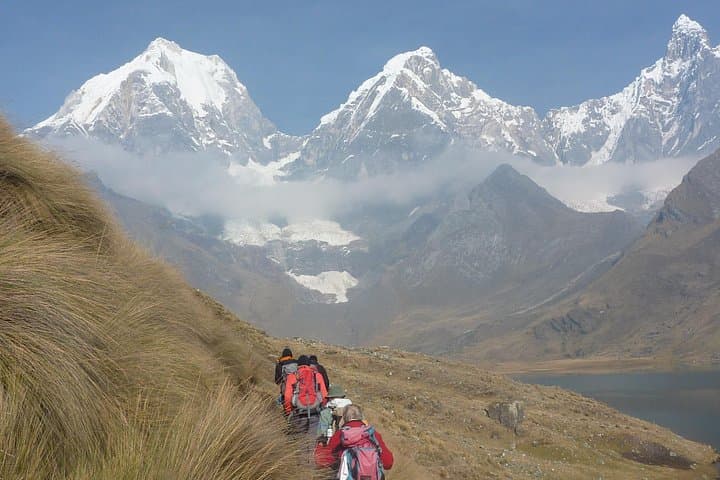


Wind cuts across a high saddle and, for a moment, the world narrows to lake glass and granite teeth—the Jirishancas, Rondoy and the hulking Yerupajá insisting on attention. The Huayhuash Classic Trek threads that raw landscape: ten days of high passes, turquoise lagoons and camps ringed by moraine and puna grass.
Wind cuts across a high saddle and, for a moment, the world narrows to lake glass and granite teeth—the Jirishancas, Rondoy and the hulking Yerupajá insisting on attention. The Huayhuash Classic Trek threads that raw landscape: ten days of high passes, turquoise lagoons and camps ringed by moraine and puna grass.
Geologically the cordillera is a compact, glaciated spine on the Continental Divide; several peaks top 6,000 m and the range feeds rivers that flow both to the Pacific and into the Amazon basin. Siula Grande entered mountaineering lore through Joe Simpson’s Touching the Void, and local Quechua communities maintain pastoral rhythms—yak-like llamas and seasonal grazing—around the same trails trekkers use. The trek crosses classic alpine terrain: steep moraine, wind-scoured ridgelines, and calm lakes that reflect collapsing seracs when the air is still.
Practically, expect sustained altitude (camps at 4,000–4,600 m, Punta Cuyoc at ~5,020 m) and variable weather. The standard itinerary runs about 9–10 days with daily moves of 4–8 hours and frequent 400–900 m climbs and descents; the Diablo Mudo ascent pushes into technical ground above 5,300 m requiring crampons, ice axe and rope skills. Guides, cooks and pack animals are typically included; park/community permits are part of the logistics.
Prepare by acclimatizing in Huaraz, carrying layered insulation, high-traction boots and a solid sleeping bag, and practicing slow uphill pacing. Water from lakes should be treated. In clear weather the vistas reward every step—this is compact, high-alpine country that asks for respect and delivers uncompromising mountain exposure.