THE ADVENTURE COLLECTIVE® · Independent discovery and booking for outdoor travel

Take the tourist train from the Sacred Valley and spend a full day ascending Huayna Picchu and exploring Machu Picchu’s Circuit 3. This guided, full‑day itinerary includes train and bus transfers, site admission and the steep, exposure-prone Huayna climb—permits limited.
Take the tourist train from the Sacred Valley and spend a full day ascending Huayna Picchu and exploring Machu Picchu’s Circuit 3. This guided, full‑day itinerary includes train and bus transfers, site admission and the steep, exposure-prone Huayna climb—permits limited.
You step off the valley train into steam and orchids, the cloud forest parting as Aguas Calientes waits with its river murmuring like an invitation.
Verified experiences and guided adventures in the surrounding area.
Operated by CrossoverPeru Tours · Aguas Calientes, Cusco Region
You step off the valley train into steam and orchids, the cloud forest parting as Aguas Calientes waits with its river murmuring like an invitation.
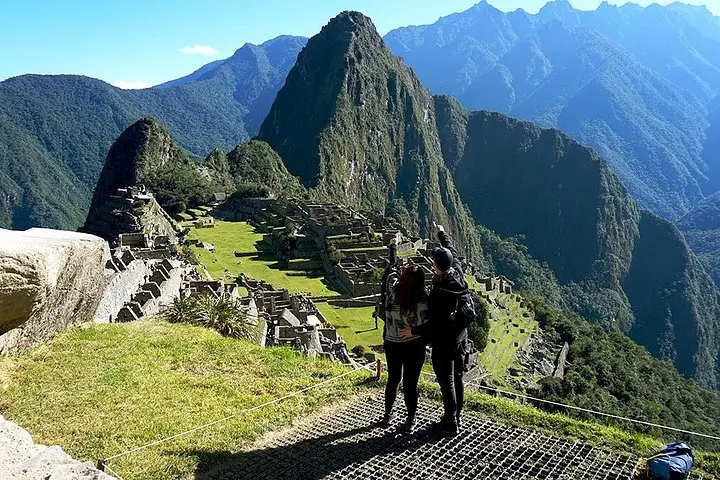
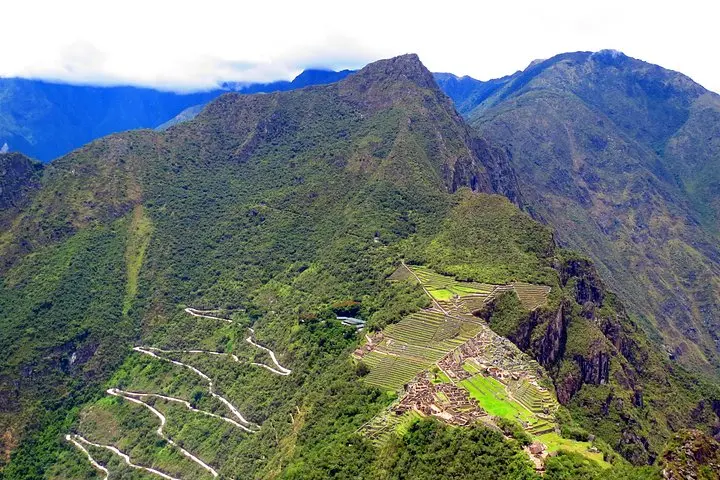
By bus the road climbs through switchbacks and you arrive at the stone gate to Machu Picchu just as light sharpens the terraces. The site sits on a ridge above the Urubamba River, a high-Andean bowl of granite outcrops and carved terraces formed by uplift and relentless erosion; the mountain backbone gives the citadel its dramatic backdrop.
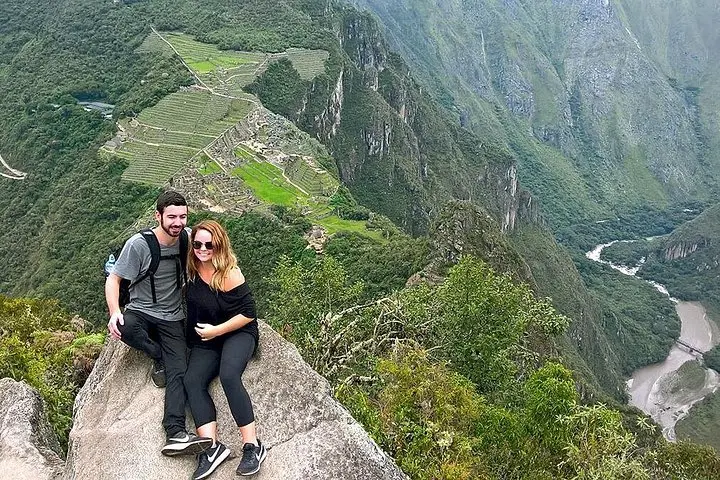
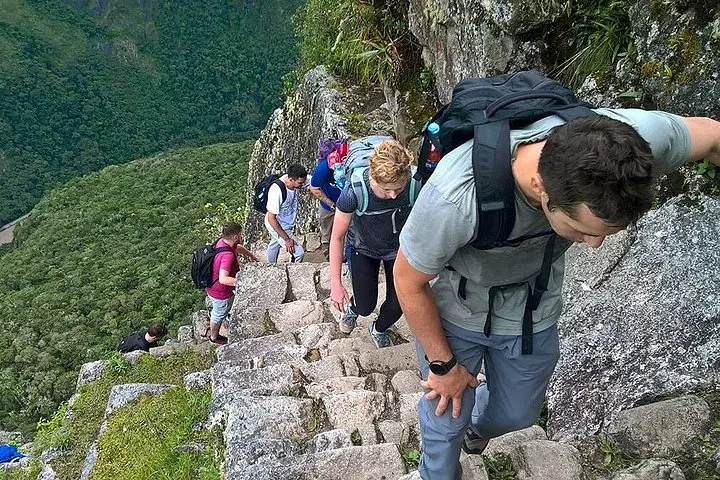
Machu Picchu was built in the mid-15th century under Inca ruler Pachacuti and later mapped into modern awareness by Hiram Bingham in 1911. Walking Circuit 3 with a guide threads the agricultural and urban sectors, showing finely cut ashlar walls, ritual plazas and the Intihuatana platform. Huayna Picchu rises steep and green behind the ruins: the summit is roughly 2,693 m (about 260–300 m above the citadel), and the Huayna trail is short but steep—stone steps, narrow ledges and handrails that demand steady footing and attention.
Expect a long day: transfers from Cusco to Ollantaytambo, a roughly 1.5–2 hour train, a 25–30 minute shuttle to the gate, the guided citadel walk and the Huayna climb (45–70 minutes up depending on pace), then the return train and transfer. Bring sturdy shoes, sun protection, a rain shell, original passport for tickets and layered clothing for rapidly changing mountain weather. Permits for Huayna Picchu are limited—book early, arrive prepared and move respectfully through fragile ruins.
Expect about 45–70 minutes to ascend depending on fitness and stops, and 30–45 minutes to descend; the trail gains roughly 260–300 m over a short distance.
This tour includes Machu Picchu and Huayna Picchu admissions, but Huayna permits are limited and tied to timed entry—book early and bring your passport.
From Ollantaytambo the train to Aguas Calientes is roughly 1.5–2 hours; the shuttle bus to Machu Picchu takes about 25–30 minutes on narrow switchbacks.
No—this itinerary is not recommended for travelers with serious spinal injuries or pregnancy due to the climb’s exposure and physical demands.
CrossoverPeru Tours operates guided outdoor trips and adventures with an emphasis on safety, stewardship, and memorable experiences.
You step off the valley train into steam and orchids, the cloud forest parting as Aguas Calientes waits with its river murmuring like an invitation.
You step off the valley train into steam and orchids, the cloud forest parting as Aguas Calientes waits with its river murmuring like an invitation.
By bus the road climbs through switchbacks and you arrive at the stone gate to Machu Picchu just as light sharpens the terraces. The site sits on a ridge above the Urubamba River, a high-Andean bowl of granite outcrops and carved terraces formed by uplift and relentless erosion; the mountain backbone gives the citadel its dramatic backdrop.
Machu Picchu was built in the mid-15th century under Inca ruler Pachacuti and later mapped into modern awareness by Hiram Bingham in 1911. Walking Circuit 3 with a guide threads the agricultural and urban sectors, showing finely cut ashlar walls, ritual plazas and the Intihuatana platform. Huayna Picchu rises steep and green behind the ruins: the summit is roughly 2,693 m (about 260–300 m above the citadel), and the Huayna trail is short but steep—stone steps, narrow ledges and handrails that demand steady footing and attention.
Expect a long day: transfers from Cusco to Ollantaytambo, a roughly 1.5–2 hour train, a 25–30 minute shuttle to the gate, the guided citadel walk and the Huayna climb (45–70 minutes up depending on pace), then the return train and transfer. Bring sturdy shoes, sun protection, a rain shell, original passport for tickets and layered clothing for rapidly changing mountain weather. Permits for Huayna Picchu are limited—book early, arrive prepared and move respectfully through fragile ruins.