THE ADVENTURE COLLECTIVE® · Independent discovery and booking for outdoor travel

Summit Huayna Picchu in a long but rewarding day from Cusco—train to Aguas Calientes, a steep climb above Machu Picchu, and panoramic views that repay early starts and careful planning. This private one-day itinerary is best for hikers comfortable with altitude and narrow stone stairways.
Summit Huayna Picchu in a long but rewarding day from Cusco—train to Aguas Calientes, a steep climb above Machu Picchu, and panoramic views that repay early starts and careful planning. This private one-day itinerary is best for hikers comfortable with altitude and narrow stone stairways.
You leave Cusco in the pre-dawn chill and the Andes unfold like a living map—terraced slopes slipping past the bus window, rivers that seem to hurry you forward. By the time the train eases into Aguas Calientes the air smells of wet stone and eucalyptus; the bus to Machu Picchu climbs switchbacks and the mountain ahead keeps its steep stairways in plain view.
Verified experiences and guided adventures in the surrounding area.
Operated by DONPeruTours · Aguas Calientes (Machu Picchu Pueblo), Cusco
You leave Cusco in the pre-dawn chill and the Andes unfold like a living map—terraced slopes slipping past the bus window, rivers that seem to hurry you forward. By the time the train eases into Aguas Calientes the air smells of wet stone and eucalyptus; the bus to Machu Picchu climbs switchbacks and the mountain ahead keeps its steep stairways in plain view.
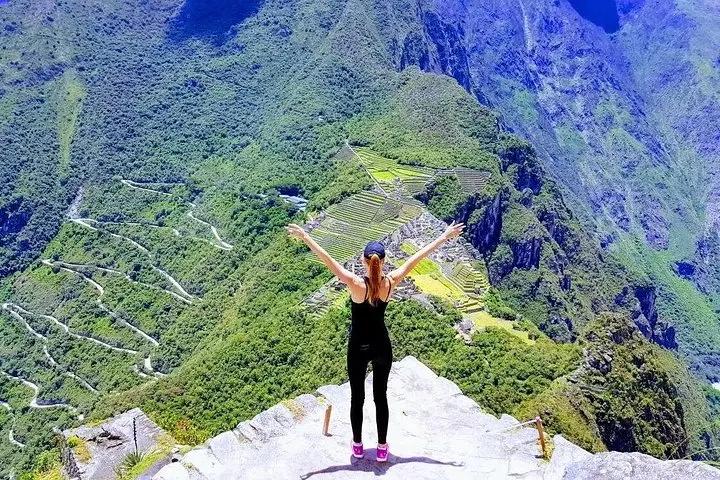
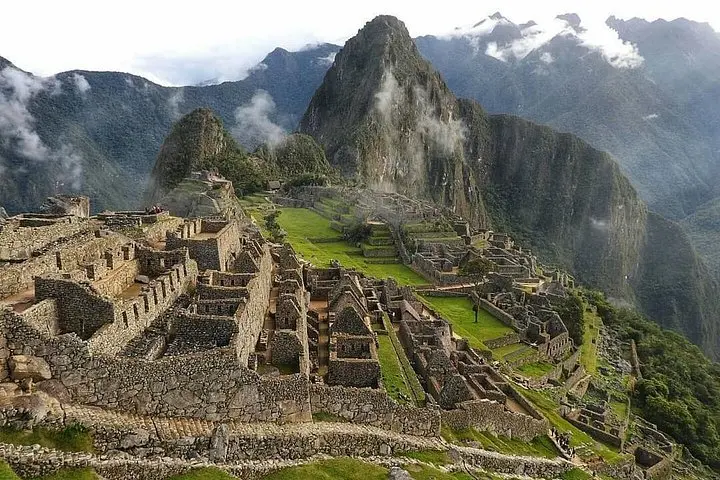
Geology and history are visible here: weathered volcanic and sedimentary stone carved by Inca hands where gravity and technique met. Huayna Picchu rises above the main citadel—steep limestone steps, narrow ledges and carved niches that were once part of a sacred skyline. Local Quechua culture still threads the valley; guides often point out agricultural terraces and explain how water management shaped life here.
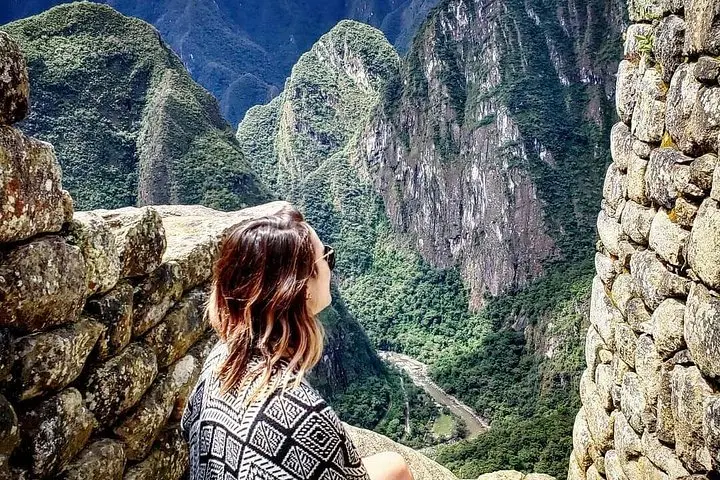
On the climb expect sustained stair sections, short exposed pitches with handrails, and altitude that makes the lungs work harder than the legs. The ascent to Huayna Picchu typically takes 60–90 minutes each way for fit hikers; plan for loose stone, uneven treads and brief crowding on narrow vantage points.
Practical guidance: reserve the Huayna Picchu ticket in advance, bring layered clothing for rapid weather shifts, and carry at least 2 liters of water and high-energy snacks. Start early to avoid afternoon clouds and larger groups. Wear grippy footwear and keep camera gear secure—those panoramic moments are wide but the paths are not. Respect signed routes and leave no trace—this is a fragile highland archaeological site.
Yes—Huayna Picchu access is limited and sold in timed tickets separately from general Machu Picchu entry; reserve well in advance.
The route is steep with narrow sections and handrails; it’s not technical climbing but requires sure-footedness and comfort with exposure.
Expect about 60–90 minutes to ascend and similar to descend for fit hikers; factor in time for Machu Picchu exploration and train transfers.
Cusco and the site are high (over 2,400–3,400 m); allow for breathlessness and slower pace—acclimatize in Cusco for 1–2 days if possible.
DONPeruTours operates guided outdoor trips and adventures with an emphasis on safety, stewardship, and memorable experiences.
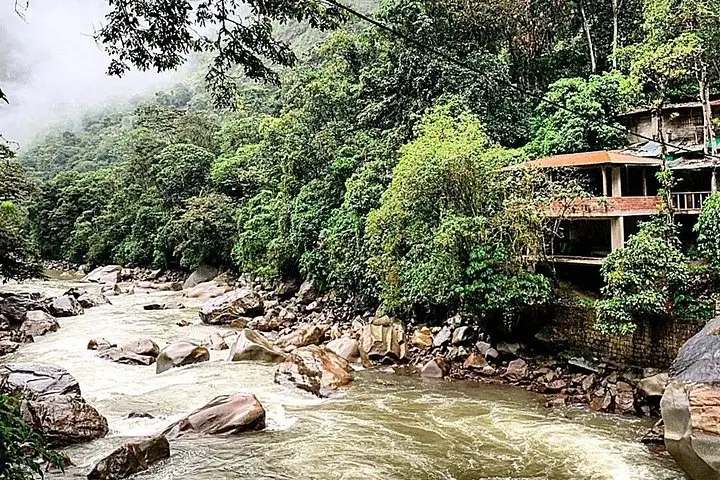
You leave Cusco in the pre-dawn chill and the Andes unfold like a living map—terraced slopes slipping past the bus window, rivers that seem to hurry you forward. By the time the train eases into Aguas Calientes the air smells of wet stone and eucalyptus; the bus to Machu Picchu climbs switchbacks and the mountain ahead keeps its steep stairways in plain view.
You leave Cusco in the pre-dawn chill and the Andes unfold like a living map—terraced slopes slipping past the bus window, rivers that seem to hurry you forward. By the time the train eases into Aguas Calientes the air smells of wet stone and eucalyptus; the bus to Machu Picchu climbs switchbacks and the mountain ahead keeps its steep stairways in plain view.
Geology and history are visible here: weathered volcanic and sedimentary stone carved by Inca hands where gravity and technique met. Huayna Picchu rises above the main citadel—steep limestone steps, narrow ledges and carved niches that were once part of a sacred skyline. Local Quechua culture still threads the valley; guides often point out agricultural terraces and explain how water management shaped life here.
On the climb expect sustained stair sections, short exposed pitches with handrails, and altitude that makes the lungs work harder than the legs. The ascent to Huayna Picchu typically takes 60–90 minutes each way for fit hikers; plan for loose stone, uneven treads and brief crowding on narrow vantage points.
Practical guidance: reserve the Huayna Picchu ticket in advance, bring layered clothing for rapid weather shifts, and carry at least 2 liters of water and high-energy snacks. Start early to avoid afternoon clouds and larger groups. Wear grippy footwear and keep camera gear secure—those panoramic moments are wide but the paths are not. Respect signed routes and leave no trace—this is a fragile highland archaeological site.