
Huayna Potosí 3-Day Summit Climb from La Paz — 6,088m Guided Mountaineering
A focused 3-day guided ascent of Huayna Potosí (6,088 m) from La Paz that combines progressive acclimatization, glacier skills training, and a dawn summit push. Expect steep snow, crevassed glacier travel, and alpine conditions requiring solid fitness and attention to safety.
An Adventure In La Paz.
A focused 3-day guided ascent of Huayna Potosí (6,088 m) from La Paz that combines progressive acclimatization, glacier skills training, and a dawn summit push. Expect steep snow, crevassed glacier travel, and alpine conditions requiring solid fitness and attention to safety.
Read the full experience
You leave La Paz before dawn and the city shrinks behind a ribbon of asphalt as the road threads into the Zongo Valley. Cold air arrives first; the mountain greets you with a hard, honest light as you break from the van and start up moraine and scree toward the base camp.
You leave La Paz before dawn and the city shrinks behind a ribbon of asphalt as the road threads into the Zongo Valley. Cold air arrives first; the mountain greets you with a hard, honest light as you break from the van and start up moraine and scree toward the base camp.
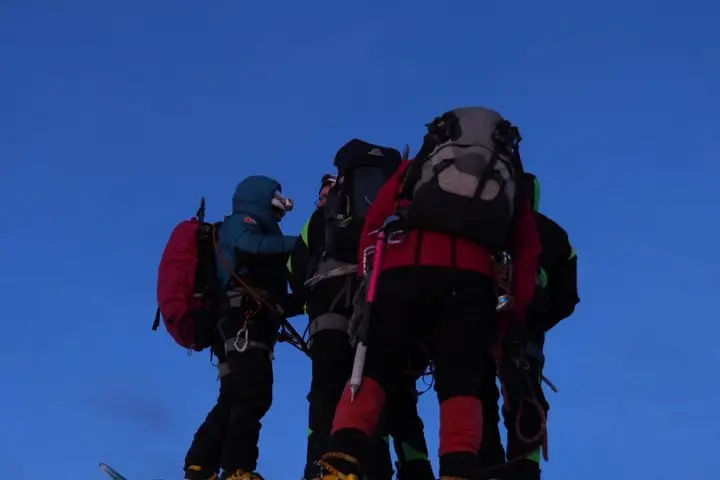
Huayna Potosí’s granite flanks and glaciated shoulders are recent sculpting in geological terms — uplifted Andean crust carved by ice. The peak has long drawn local Aymara and Quechua communities, and contemporary climbs combine that human history with modern Bolivian guiding techniques. The summit day typically starts at night: headlamps cutting arcs, crampons crunching, the wind testing each step as oxygen thins.
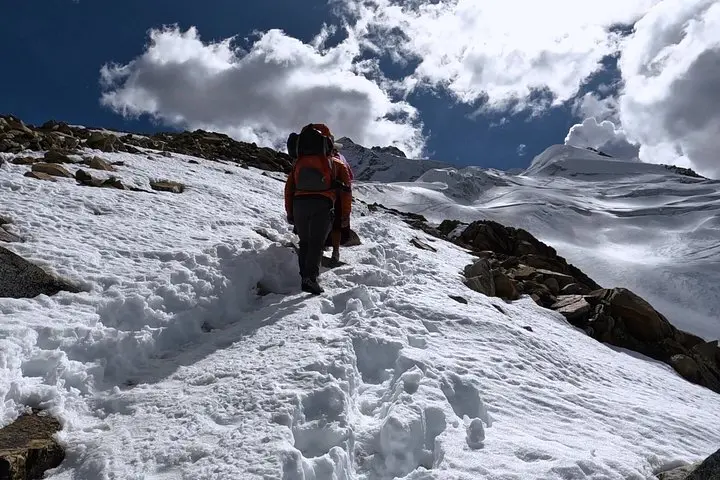
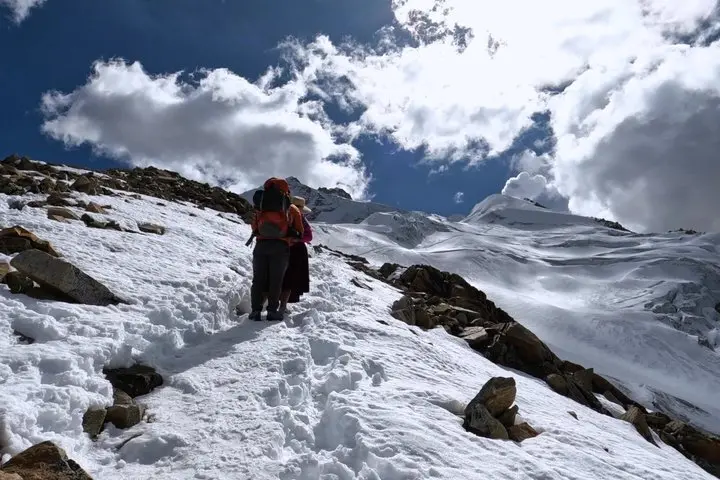
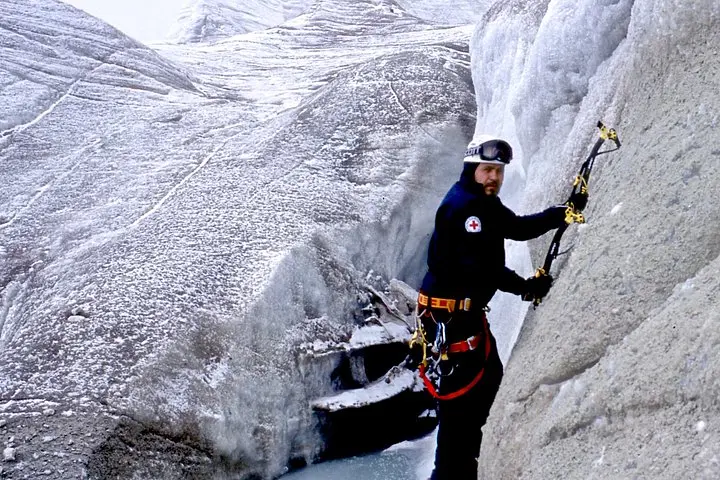
Expect steep snow slopes, crevassed glacier travel where rope techniques are occasionally used, and a final ridge that demands steady rhythm more than speed. Guides teach basic glacier skills during the second day and adapt the plan for acclimatization and weather. Sunrise from 6,088 meters offers sharp panoramas of the Altiplano and neighboring giants; descent requires the same focus as ascent.
Practical notes: plan for significant altitude exposure and cold; layered synthetic and down insulation, glacier sunglasses, and a reliable headlamp are essential. Hydrate deliberately, use a slow, steady pace on summit night, and follow your guide’s instructions for rope work and crampon use. Weather can close routes quickly; flexibility is part of the climb. For experienced trekkers ready to step into technical high-altitude terrain, Huayna Potosí is a compact, demanding introduction to Andean mountaineering.
Frequently asked questions
Previous alpine experience is helpful but not strictly required; you must be physically fit and prepared for basic glacier techniques taught during the trip.
Round-trip transfers from La Paz, two nights in mountain camps, professional mountain guides, and core mountaineering equipment such as crampons, harnesses, boots, and poles are included.
Summit attempts can be delayed or canceled due to high winds, heavy snowfall, or unsafe glacier conditions; guides prioritize safety and may modify plans accordingly.
Yes; guides monitor symptoms, adjust pace, and recommend acclimatization strategies. Severe cases will lead to descent and medical care as needed.
About This Experience
Jutam Acaru Tours and Travel Agency operates guided outdoor trips and adventures with an emphasis on safety, stewardship, and memorable experiences.
Adventure tips
Recommended gear
- Mountaineering boots: Stiff, insulated boots that are compatible with crampons provide security on snow and ice.
- Insulated down jacket: Lightweight, high-fill warmth for summit bivouac and extended exposure to cold winds.
- LED headlamp with spare batteries: Critical for pre-dawn summit starts and safe glacier travel in darkness.
- Glacier sunglasses and broad-spectrum sunscreen: Protects eyes and skin from intense high-altitude UV and reflective snow glare.
Photos of the experience
Related adventures & guides
Read the full experience
You leave La Paz before dawn and the city shrinks behind a ribbon of asphalt as the road threads into the Zongo Valley. Cold air arrives first; the mountain greets you with a hard, honest light as you break from the van and start up moraine and scree toward the base camp.
You leave La Paz before dawn and the city shrinks behind a ribbon of asphalt as the road threads into the Zongo Valley. Cold air arrives first; the mountain greets you with a hard, honest light as you break from the van and start up moraine and scree toward the base camp.
Huayna Potosí’s granite flanks and glaciated shoulders are recent sculpting in geological terms — uplifted Andean crust carved by ice. The peak has long drawn local Aymara and Quechua communities, and contemporary climbs combine that human history with modern Bolivian guiding techniques. The summit day typically starts at night: headlamps cutting arcs, crampons crunching, the wind testing each step as oxygen thins.
Expect steep snow slopes, crevassed glacier travel where rope techniques are occasionally used, and a final ridge that demands steady rhythm more than speed. Guides teach basic glacier skills during the second day and adapt the plan for acclimatization and weather. Sunrise from 6,088 meters offers sharp panoramas of the Altiplano and neighboring giants; descent requires the same focus as ascent.
Practical notes: plan for significant altitude exposure and cold; layered synthetic and down insulation, glacier sunglasses, and a reliable headlamp are essential. Hydrate deliberately, use a slow, steady pace on summit night, and follow your guide’s instructions for rope work and crampon use. Weather can close routes quickly; flexibility is part of the climb. For experienced trekkers ready to step into technical high-altitude terrain, Huayna Potosí is a compact, demanding introduction to Andean mountaineering.
Make a day of it nearby.
Verified experiences and guided adventures in the surrounding area.